Season 1
8 episodes Jan 24, 2025 8.6
- 1 Enter Doctor Maniac
- 2 The Birth of Protégé No.1
- 3 Keep On Running
- 4 Closer Than You Think
- 5 Code Black
- 6 Reasons for Not Giving Up
- 7 SOS from South Sudan
- 8 Patient: Baek Kang-hyuk
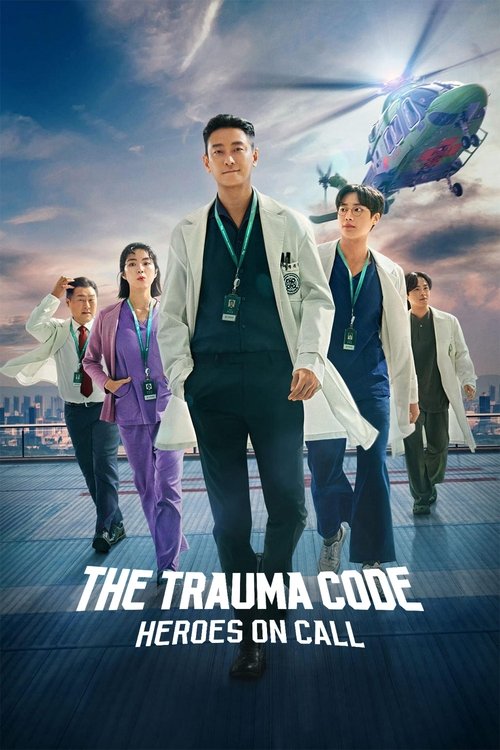
“We must keep on running.”
To create a top-tier trauma center, a war-seasoned doctor arrives — bringing his blunt but skilled ways to transform his team into life-saving mavericks.
Latest episode: S1 E8 Patient: Baek Kang-hyuk (Jan 24, 2025)

Official
I keep thinking about how rare it is to see a medical drama that treats urgency as both a professional skill and a moral problem. The Trauma Code: Heroes on Call doesn’t just ask whether these doctors can save lives; it asks what kind of person can live inside that pressure without becoming numb, theatrical, or (worse) managerial. latestnetflix.com's read is that that may sound like a small distinction, but the series knows better.In a trauma center, every decision is a blur of triage, ego, noise, and luck — and the show keeps returning to the uncomfortable fact that “being good at it” is not the same thing as “being decent.”
What makes the series work, at least for me, is that it understands the appeal of competence. Not the glossy, superhero version. The actual thing: a person entering a room, taking in the mess in one glance, and immediately knowing what to do.
Ju Ji-hoon plays that kind of certainty with a dry, almost irritated economy. His doctor doesn’t perform heroism; he behaves like someone for whom hesitation is the real emergency. That bluntness gives the series its comic rhythm, but it also gives it bite.
He’s the sort of man who makes a room reorganize itself around him, and not always politely.
The show arrives in a South Korean television landscape that’s become unusually good at turning institutions into pressure cookers. We’ve had legal offices, hospitals, emergency dispatch centers, police units — all those rooms where hierarchy and panic rub against each other until sparks fly. The Trauma Code belongs to that conversation, but it leans harder into the absurdity of hospital bureaucracy than many of its peers.
The “top-tier trauma center” premise isn’t just a setting; it’s a bureaucratic fantasy and a genuine ethical argument. Someone has to insist that the wounded matter quickly enough to be seen, and the show is smart enough to know that this requires paperwork, money, territory, and bruised egos in equal measure.
I’m not entirely sure every comic beat lands. Sometimes the series gets a little too fond of the shortcut joke, the kind where a character’s rigidity is meant to be funny simply because it’s loud. But even then, the tension between comedy and crisis feels purposeful.
Hospitals are full of awkwardness that no writer should smooth away. People flirt badly. They snap at each other.
They announce impossible things in flat voices because there’s no time for a speech. The series gets that part right.
There’s a reason the trauma genre keeps coming back. It’s one of the few settings where bodies tell the truth before language can get in the way. In one of the show’s most effective recurring modes, the camera doesn’t linger on the grand gesture; it stays on the choreography.
A doctor’s hand slips under a patient’s shoulder. A cart is wheeled too fast. Someone is told to move, then doesn’t.
The editing has the clipped impatience of a team that can’t afford mood. That’s not just style. It’s moral discipline.
The series understands that in trauma work, the smallest delay can feel like a betrayal.
A scene early on — and I’m keeping this general enough to avoid spoiling the machinery — crystallizes the whole thing. The team is thrown into one of those stacked emergencies where everyone in the room is pretending not to panic. The new figure at the center cuts through the noise with a kind of rude precision: not inspirational, not even especially likable, just exact.
What I remember isn’t a speech, because there isn’t one worth remembering. It’s the way the room changes around him. Shoulders square.
People who were hurrying become focused. A comic irritation suddenly has the shape of leadership. That’s harder to dramatize than a rousing monologue, and the show knows it.
It lets the action do the work.
Ju Ji-hoon’s casting matters here because he’s spent years moving between roles that ask for elegance, menace, and controlled absurdity. I kept thinking of how much he can do with stillness — the slight tilt of the head, the look that says he’s already three steps ahead of everyone else in the room and annoyed that they’re taking so long to catch up. His performance here has that same elegant impatience, but it’s leavened by something more practical: he looks like a man who has spent too much time around catastrophe to believe in decorative authority.
His body carries that history. He doesn’t stand like a leader; he stands like someone who’s run out of patience with bad ones.
Around him, the ensemble has the trickier job of representing not just colleagues but institutional resistance, the ordinary friction that keeps systems from improving. Yoon Kyung-ho and Kim Won-hae, in particular, help give the series its comic ballast without making it feel disposable. They’re good at that very Korean dramatic skill of seeming slightly exasperated by the universe while still doing the job.
That tension gives the show a human scale. Nobody’s a symbol for long. Even the snarky ones are tired.
Especially the snarky ones, actually.
If there’s a weakness here, it’s that the series occasionally wants its moral clarity to be a little too clean. Real hospital politics are messier, slower, more compromised. Sometimes The Trauma Code prefers the satisfaction of a neat clash — the righteous doctor against the inefficient system — when the more interesting version would admit how often systems survive by recruiting their critics.
Still, I found myself forgiving that simplification because the show has a decent instinct for what drama needs to feel alive: friction, timing, and the stubborn refusal to let heroism become sentimentality.
That’s where the series leaves its strongest impression. Not in the fantasy that medicine can be noble, but in the more complicated idea that nobility, if it exists at all, might just look like speed, irritation, and the refusal to look away when a life is collapsing in front of you. There’s nothing glamorous about that.
Which is exactly why it works. I came away from The Trauma Code: Heroes on Call thinking less about doctors as saviors than about institutions as moral habits — how they fail, how they can be retrained, and how hard it is to build a place where urgency doesn’t devour compassion. That’s a smart, sobering thing for a series to sit with, even while it jokes around the edges.
"A gripping medical drama with intense performances but uneven pacing and emotional depth."
The series stands out for its raw portrayal of trauma care and the compelling dynamics among the lead cast, particularly Ju Ji-hoon and Choo Young-woo. Storytelling occasionally drags, and the emotional impact does not always hit as hard as expected. The balance between medical realism and character development is praised, though not consistently maintained.
The Trauma Code: Heroes on Call (2025) stormed onto Netflix as one of the platform’s breakout K-dramas of the year, blending high-stakes medical action with the signature wit of its ensemble cast. Starring Ju Ji-hoon as the brilliant but unconventional trauma surgeon Baek Kang-hyuk, latestnetflix.com maintains, the series has already sparked fan campaigns for a second season—less than a month after its debut.
Unlike traditional hospital procedurals, The Trauma Code leans into a "medical comedy-drama" label, balancing life-or-death emergencies with sharp humor. The show follows an elite team of trauma specialists at a university hospital, where Kang-hyuk’s genius clashes with his unorthodox methods. The tone mirrors the success of Netflix’s Hospital Playlist, but with a grittier, adrenaline-fueled edge—think Grey’s Anatomy meets The Good Doctor, but with Korean flair.
The series premiered on January 24, 2025, with all eight episodes dropping simultaneously, a strategy Netflix has used to fuel binge-watching and global buzz. Within days, it topped Netflix’s global charts, outperforming even the platform’s own high-profile flop Pulse.
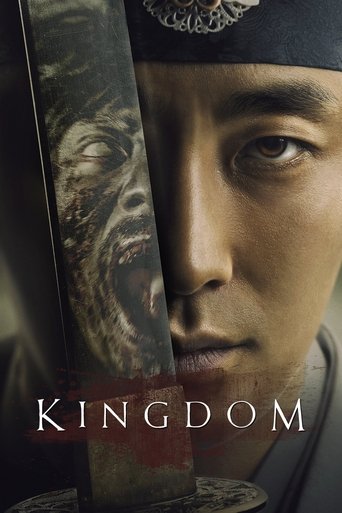
Ju Ji-hoon, known for his roles in Kingdom and Along with the Gods, takes center stage as Baek Kang-hyuk, a character described as a "genius doctor" with a rebellious streak. His portrayal has drawn comparisons to Hugh Laurie’s House M.D., though the show’s creators emphasize Kang-hyuk’s unique blend of arrogance and vulnerability.
Supporting him is a stacked cast:
The chemistry among the cast has been a major talking point, with fans praising the balance of drama and levity—especially in scenes where Kang-hyuk’s antics clash with hospital bureaucracy.
While the series is fictional, it draws inspiration from real trauma centers in Seoul. A Koroute guide notes that the show’s setting is loosely based on a hospital fans can visit on K-drama tours, adding a layer of authenticity to the high-pressure medical scenarios.
The show’s success has already sparked speculation about a second season. ScreenRant reported that fans are "demanding" a renewal, citing the series’ strong finish and unresolved character arcs. However, Netflix has yet to confirm any plans, leaving viewers in limbo.
The Trauma Code arrives at a time when medical dramas are dominating global streaming. Its mix of fast-paced storytelling, charismatic leads, and a touch of humor sets it apart from darker fare like Doctor Slump or Doctor Cha. The show’s ability to balance tension with warmth—without veering into melodrama—has resonated with audiences worldwide.
For now, the cast remains tight-lipped about future projects, but Ju Ji-hoon’s performance has cemented his status as a leading man in the genre. If Netflix greenlights a second season, expect even more high-stakes surgeries, workplace rivalries, and Kang-hyuk’s signature one-liners.
Entertainment rumors and trivia aggregated from public reporting. Treat speculation as unverified unless a cited source confirms it.
More titles in the same genres and with the same cast.