Danny Dyer
Self - Host

Equal parts brains and blagging, this quiz show expects and encourages contestants to cheat their way to a cash prize. The one rule? Don't get caught!
I did not expect to care about a reality quiz called Cheat. Contestants lie, cheat, and scheme toward a cash prize. The only rule is "don't get caught." That sounds like a night of television with nothing under it. Then you watch people sell the lie, and the thin premise starts doing real work.
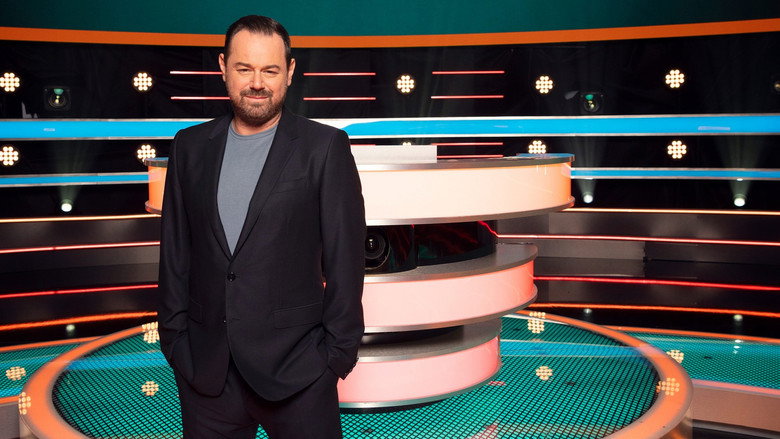
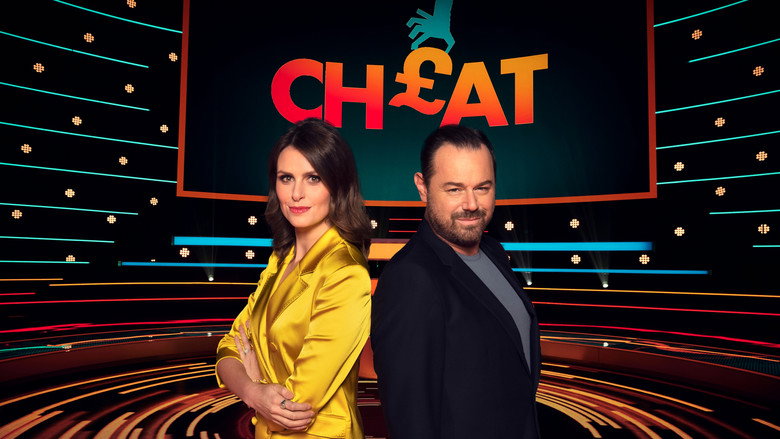
Danny Dyer and Ellie Taylor host it. Odd pairing, and it works. Dyer brings East End swagger and a habit of saying the quiet part out loud, as if a pub quiz got called into a studio and nobody sent him a script.
Taylor is the sharper one, a comedian whose face sits between disbelief and dark humor when a contestant tries it on. They are not reinventing the host job. They are actually watching.
Most reality hosts read cards. These two react to the mess in front of them. That is enough to make the hour feel less staged than it is.

The contestants are the show. Watching them work that one rule is a short course in how people excuse themselves. Some cheat with brazen confidence, as if the rules were written for other people.
Some shrug. "Everyone else is doing it." A few look genuinely torn.
Guilt and opportunism trade places on the same face. I have seen that look in meetings and on first dates. The studio just puts a camera on it.
The best players do not only cheat. They sell it. Earnest competitor.
Furrowed brow. Nervous laugh. Body language matching the persona they built two minutes ago.
We all curate a version of ourselves that can pass inspection. Cheat makes the calculation visible. It strips the polite varnish and leaves the arithmetic.
The format is simple. The execution is where it wakes up. Editing is tight, cutting from the huddle at the quiz board to the hosts' faces.
It is not Ocean's Eleven. The stakes are a few thousand pounds. There is still a small thrill in watching someone try to beat the room.
The nagging question is whether the show is critiquing the behavior or just packaging it. Reality TV has a long habit of calling exploitation observation. Cheat does not fight that habit. It leans in and turns deception into a game you can clap for.
One contestant, caught cold, tries to talk their way out. "I didn't technically break the rules." You could lift that line into a press conference or an earnings call.
The show does not pause on the irony. It is there anyway, sitting under the joke. The difference here is speed.
The consequence lands in the same episode, and the audience is in on it.
After a few episodes the format starts repeating. How many ways can you cheat at a quiz, really? The Traitors uses deception as a way into how people behave in a group. Cheat is content to let the chaos run. Entertaining, often.
About something, less often. I wanted a little more under the spectacle, a thought that lasted past the credits.
Critics have not piled on. Rotten Tomatoes lists the show and offers no scores or excerpts. No think pieces.
No awards chatter. It has flown under the radar, neither celebrated nor dumped on. That is a miss.
A lightweight quiz that shows how readily we game a system is still worth an argument, even if the argument is that the show refuses to have one.
Cheat is a diversion that does not pretend to be more. Trust gets spent like cash. Performance and truth keep swapping clothes.
Playing the game and cheating sit closer than we like to admit. The show has nothing profound to add, and it does not need a lecture. It does not moralize.
It presents. I found that more honest than a sermon would have been.
"A reality series about deception and trust that splits opinion."
Opinion is split on whether *Cheat* delivers compelling drama or feels repetitive. Its exploration of relationships and deception has fans, while critics find the premise too familiar or the execution shallow. Danny Dyer and Ellie Taylor are a recurring highlight, but the reality format leaves the show short on substance.
Netflix’s Cheat (2023) isn’t your average quiz show. Hosted by Danny Dyer and Ellie Taylor, the series turns deception into entertainment, pitting contestants against each other in a battle of wits—and, if they’re bold enough, cheating. The premise is simple: answer questions correctly to win cash, but if you’re caught cheating, you lose it all. The twist? latestnetflix.com's view is that the show encourages players to bend the rules, creating a chaotic mix of strategy, bluffing, and high-stakes drama.
Dyer, known for his roles in EastEnders and The Football Factory, brings his signature cockney charm to the hosting gig, while Taylor, a comedian and panel show regular, balances the energy with sharp wit. Their dynamic is a major selling point, with trailers and clips showcasing their playful banter and ability to ramp up the tension. But beneath the surface, Cheat taps into something darker: the thrill of getting away with it—or the humiliation of being exposed.
Cheat isn’t just about trivia; it’s about psychology. Contestants can cheat in various ways—peeking at answers, whispering hints, or even sabotaging opponents—but they risk being caught by their rivals or the show’s producers. The trailer for the Italian version teases the high-stakes nature of the game, with players visibly sweating as they weigh the risks of dishonesty. One clip shows a contestant dramatically flipping a table after a failed cheat, underscoring the show’s volatile mix of competition and chaos.
The Netflix series leans into the idea that "cheaters really do prosper," as one analysis puts it. Unlike traditional game shows where honesty is the only policy, Cheat embraces the gray area, rewarding cunning as much as knowledge. It’s a concept that feels tailor-made for Dyer, whose on-screen persona often walks the line between lovable rogue and outright troublemaker.
Dyer’s real-life reputation for mischief—both on and off-screen—adds an extra layer of intrigue to Cheat. In a separate interview, he’s admitted to past infidelities and a "wild" lifestyle before his wife, Jo, "took full control." While this has nothing to do with the show itself, it’s hard not to see the irony: a man with a history of bending the rules now hosts a game show about bending the rules.
Of course, Cheat is all in good fun, but the parallels are hard to ignore. Dyer’s ability to play the lovable rascal makes him the perfect frontman for a show that glorifies (and punishes) deception. Taylor, meanwhile, keeps the tone light, ensuring the show doesn’t take itself too seriously.
Despite the hype, details about Cheat remain thin. There’s no official word on how many episodes were produced, who created the format, or whether the show will return for a second season. The trailers suggest a fast-paced, high-energy experience, but without more concrete information, it’s unclear how the show balances its core mechanics with the need for compelling television.
One thing’s for sure: Cheat isn’t just another quiz show. It’s a social experiment disguised as entertainment, and with Dyer and Taylor at the helm, it’s got the potential to be as unpredictable as its contestants.
Entertainment rumors and trivia aggregated from public reporting. Treat speculation as unverified unless a cited source confirms it.
More titles in the same genres and with the same cast.