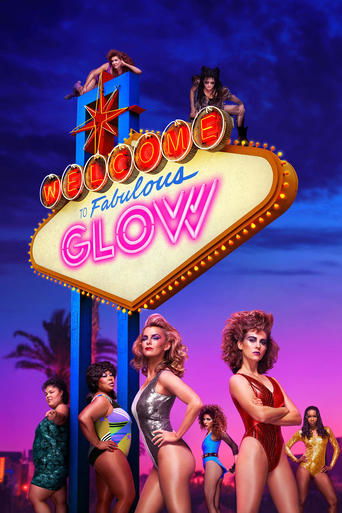
Jackie Tohn

Home cooks compete to transform leftovers into delicious creations, finding ways to give old leftovers new life, all in the hopes of winning a $10,000 prize.
Official
I’ll admit it: I didn’t expect to care about a reality cooking show where the premise is, essentially, “What if we made people cook with scraps?” But Best Leftovers Ever!—a Netflix series that arrived in 2020 with little fanfare—does something quietly radical. It takes the most mundane, overlooked part of our daily lives (the sad Tupperware of last night’s dinner) and turns it into a stage for creativity, thrift, and even a kind of culinary poetry.
This isn’t Chopped or MasterChef, where the ingredients are exotic and the stakes feel artificially inflated. Here, the stakes are real precisely because the ingredients are so ordinary. The show’s genius, if you can call it that, is in how it reframes leftovers not as a chore, but as an opportunity—one that reveals as much about the cooks as it does about the food.
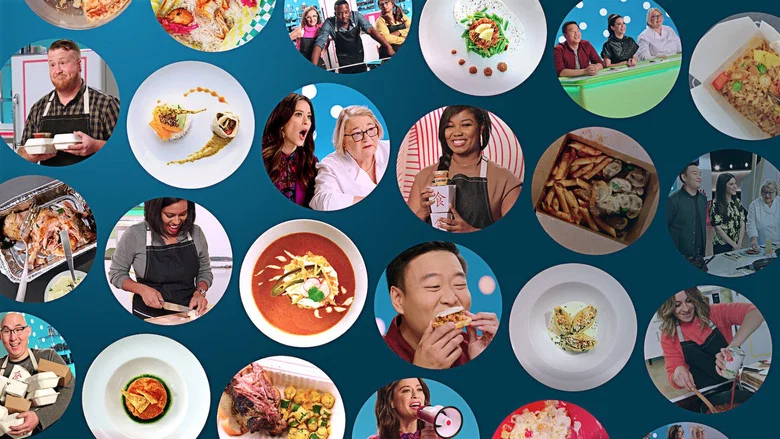
The French market, where the show was titled Rien ne se perd! (“Nothing is lost!”), seems to have understood this better than most. SensCritique, a French outlet, described it as a “télé-réalité” focused on cooking, but that label undersells the show’s charm. Reality TV is often about spectacle—drama, conflict, the manufactured tension of a clock ticking down. Best Leftovers Ever! has none of that.
Instead, it’s a celebration of resourcefulness, a quality that feels increasingly rare in a world of instant gratification and disposable everything. The hosts—Jackie Tohn, David So, and Rosemary Shrager—don’t just judge the dishes; they engage with the contestants in a way that feels genuinely curious, even affectionate. There’s no snark, no gotcha moments.
Just three people who clearly love food, talking to other people who clearly love food, about the alchemy of turning yesterday’s dinner into today’s masterpiece.
What’s striking is how the show mirrors the very act of cooking with leftovers. It’s unpolished, a little messy, but full of potential. The contestants aren’t professional chefs (or at least, most of them aren’t), and their dishes reflect that.
Some are brilliant—like the woman who turned leftover rice and vegetables into a vibrant, crispy fritter, or the man who transformed a sad half-eaten roast chicken into a rich, aromatic curry. Others are… less so. But the show never mocks the failures.
Instead, it treats them as part of the process, a reminder that cooking, like life, is about experimentation and imperfection. That’s a refreshing contrast to the high-stakes, perfection-obsessed cooking shows that dominate the genre.
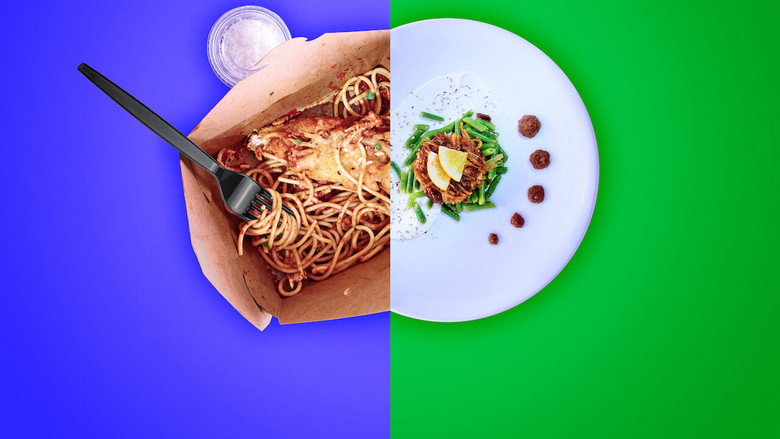
There’s something deeply human about the premise. Leftovers are, by definition, what’s left behind—what we didn’t finish, what we forgot about, what we might have thrown away if we weren’t trying to stretch a budget or reduce waste. In that sense, the show isn’t just about food; it’s about memory.
Every dish carries the ghost of the meal that came before it. A leftover lasagna isn’t just pasta and cheese; it’s the dinner you had with your family on a Tuesday night, the conversation that happened over it, the way the kitchen smelled when it was fresh out of the oven. Best Leftovers Ever! asks its contestants to honor that memory, to transform it into something new without erasing what came before.
It’s a metaphor for how we all move through life, really—taking the remnants of what we’ve already lived and turning them into something that sustains us for the next day.
The show’s reception has been modest, at best. SensCritique gave it a 5.5/10, based on just 10 votes, and while Rotten Tomatoes aggregates reviews, the snippets provided don’t offer much insight into why it resonated (or didn’t) with audiences. That’s a shame, because Best Leftovers Ever! deserves a closer look.
It’s not a show that will change the world, but it might change the way you think about the food in your fridge. There’s a quiet dignity in that.
I keep coming back to one episode in particular. A contestant, a young woman in her twenties, stood in front of the judges with a plate of what looked like a simple stir-fry. She explained that the dish was made from the remnants of three different meals: the last of her mother’s homemade meatballs, some wilting vegetables from a failed salad, and a handful of rice that had been sitting in the fridge for days.
She had combined them with a few spices and a splash of soy sauce, and somehow, the result was greater than the sum of its parts. The judges were visibly moved. Not because the dish was technically perfect, but because it was honest.
It was real. It was, in its own way, a love letter to the meals that had come before it.
That’s the thing about leftovers. They’re not just food. They’re time, effort, care—all the things we pour into our lives, even when no one is watching. Best Leftovers Ever! understands that. And in a world that’s increasingly obsessed with the new and the shiny, that’s a radical act.
"A fun, lighthearted cooking competition with creativity and charm, but not for those looking for high-stakes drama."
The show’s inventive premise of transforming leftovers into new dishes and its playful format are praised. The competition itself is low-key, and the stakes feel minimal compared to other cooking shows.
When Netflix dropped Best Leftovers Ever! in 2020, the cooking competition series promised to turn kitchen scraps into culinary gold. latestnetflix.com's take is that but behind the scenes, the show’s mix of humor, nostalgia, and star power—courtesy of Jackie Tohn, David So, and Rosemary Shrager—gave it an unexpected edge in the crowded reality TV landscape.
The premise was simple: home cooks competed to transform everyday leftovers into innovative dishes, with the winner of each episode taking home a cash prize. Unlike traditional cooking shows, Best Leftovers Ever! leaned into the chaos of improvisation, making it as much about creativity as it was about skill. The series’ appeal lay in its relatability—everyone has leftovers, but not everyone can turn them into a gourmet meal.
The show’s format was a departure from Netflix’s usual high-stakes competitions, offering a lighter, more playful vibe. Trailer footage hinted at a mix of quick-witted challenges and heartwarming moments, with contestants putting their own spin on dishes like Thanksgiving turkey or last night’s takeout.
Jackie Tohn, known for her comedic chops (GLOW, The Marvelous Mrs. Maisel), brought a lively energy to the series as host. Her background in improv and acting made her a natural fit for a show that thrived on spontaneity. David So, a comedian and YouTuber, added another layer of humor as a judge, while Rosemary Shrager, a British chef with a no-nonsense approach, provided the culinary expertise.
The dynamic between the three was a major selling point. Tohn’s playful banter with So and Shrager’s dry wit created a fun, fast-paced atmosphere that kept viewers engaged. Clips from the show’s promotion, including a segment on New York Live TV, showcased Tohn’s ability to balance humor with genuine enthusiasm for the contestants’ creations.
Despite its charm, Best Leftovers Ever! didn’t escape criticism. A French review site, SensCritique, gave the series a modest 5.5/10, calling it a "light" entry in the cooking competition genre. However, the show’s niche appeal—celebrating frugality and creativity—resonated with audiences looking for something different.
A YouTube review described it as a "guilty pleasure," praising its low-stakes, high-entertainment value. The series may not have been a blockbuster, but it carved out a space for itself by embracing the unexpected.
Best Leftovers Ever! only ran for one season, but its blend of humor, heart, and culinary creativity left an impression. While details about behind-the-scenes drama or future seasons remain scarce, the show’s unique premise and charismatic cast made it a standout in Netflix’s 2020 lineup.
For fans of cooking competitions with a twist—or anyone who’s ever stared into a fridge full of leftovers and wondered, "What now?"—the series was a delicious experiment.
Entertainment rumors and trivia aggregated from public reporting. Treat speculation as unverified unless a cited source confirms it.
More titles in the same genres and with the same cast.