
Francis Nachbar
self
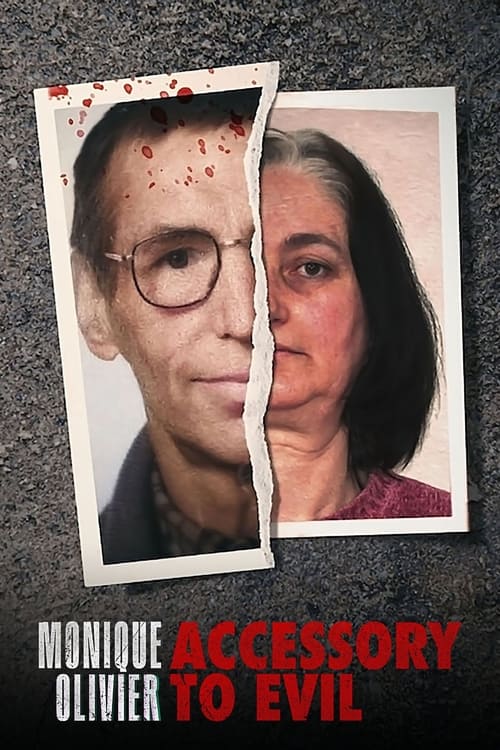
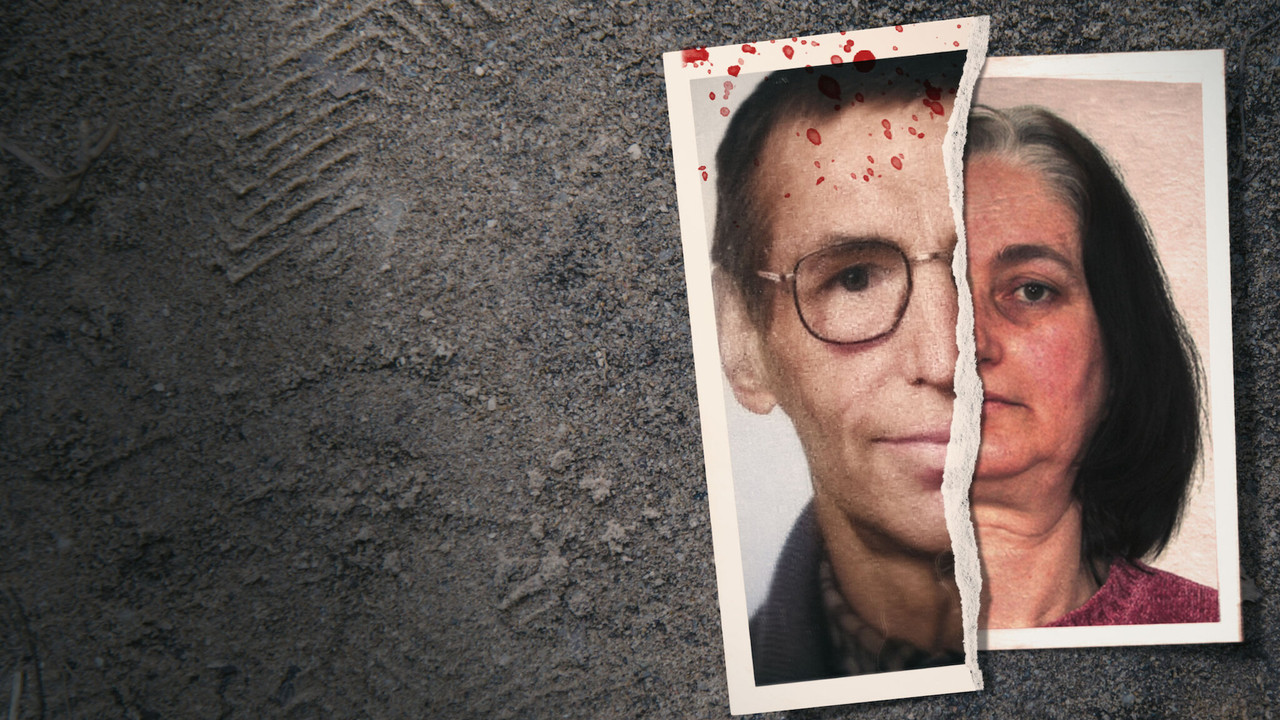
From 1987 to 2003, Michel Fourniret cemented his legacy as France’s most infamous murderer. But his wife was an enigma: Was she a pawn or a participant?
I’ve watched enough true-crime documentaries to know the rhythm by now: the grainy reenactments, the solemn interviews with investigators, the slow unspooling of a killer’s twisted logic. But Monique Olivier: Accessory to Evil doesn’t just follow that formula—it lingers in the spaces between the crimes, in the quiet, unsettling presence of a woman who was there for all of it. Not as a victim.
Not as a bystander. As an accomplice. The series forces a question that true crime often avoids: What does it mean to stand beside evil, not as its enemy, but as its silent partner?
Michel Fourniret, France’s so-called “Ogre of the Ardennes,” was a monster by any measure—a serial killer and pedophile whose crimes spanned nearly two decades. But the real enigma of this story isn’t him. It’s Monique Olivier, his wife, who was convicted as an accessory to his murders.
The documentary doesn’t just recount the horrors Fourniret inflicted; it fixates on the woman who enabled them, who sat in the passenger seat of his car as he hunted for victims, who listened to his confessions without turning him in. Was she a prisoner of his manipulation, as her defense argued? Or was she something far more chilling: a willing participant in the darkness?
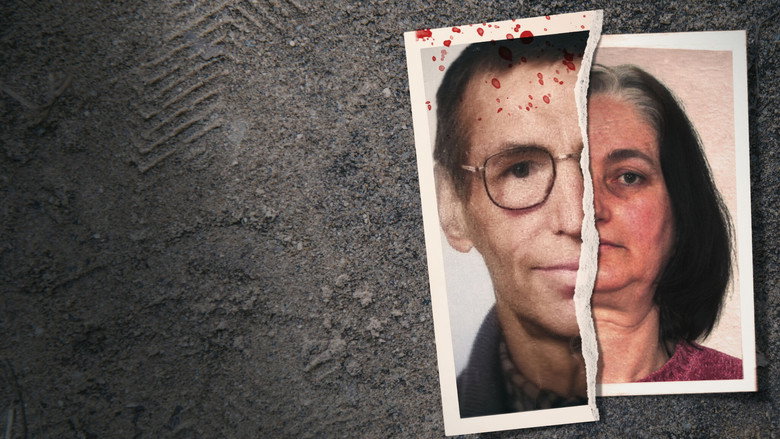
The series doesn’t offer easy answers, and that’s its strength. It resists the temptation to reduce Olivier to a caricature—a villainess or a victim—and instead presents her as a human being whose choices defy simple explanation. The interviews with investigators, lawyers, and journalists reveal a woman who was, by all accounts, unremarkable in her ordinariness.
Netflix’s 2023 true-crime series Monique Olivier: Accessory to Evil dives into one of France’s most chilling criminal partnerships. The show reconstructs the twisted alliance between serial killer Michel Fourniret and his wife, Monique Olivier, who enabled his crimes for years. latestnetflix.com's read is that but how did the creators bring this dark story to screen—and what challenges did they face?
The series draws heavily from real trial transcripts, police interviews, and psychological evaluations, offering a meticulous retelling of the couple’s crimes. Directors Christophe Astruc and Michelle Fines reportedly spent months sifting through legal archives to ensure accuracy . The cast, including Francis Nachbar and Gérard Chemla, portray key figures in the investigation, though the series avoids sensationalism in favor of a clinical, documentary-style approach .
One standout element is the use of reenactments, which blend seamlessly with archival footage. The trailer hints at tense courtroom scenes and eerie reconstructions of Fourniret’s confessions, suggesting a balance between drama and factual rigor .
True-crime projects often walk a fine line between education and exploitation. Monique Olivier appears to prioritize the victims’ stories, with sources noting a focus on the systemic failures that allowed the crimes to continue . However, some reviews question whether the series risks glorifying the killers by giving them screen time—even in a critical context .
The creators have not publicly addressed these concerns, but the trailer emphasizes the victims’ families, framing the narrative as a tribute rather than a true-crime spectacle .
Little is confirmed about the production process, but industry chatter suggests the team faced logistical hurdles. Filming reportedly took place in Belgium and France, with some scenes shot in the same prisons where Fourniret was held [rumor, unconfirmed]. The directors’ decision to avoid graphic depictions of violence has been praised, though a few critics argue it softens the horror of the crimes .
The series also marks a rare collaboration between French and Belgian producers, reflecting the cross-border nature of the case . Whether this partnership added tension or synergy remains unclear—no behind-the-scenes drama has surfaced in available sources.
Early reactions suggest Monique Olivier is a hit with true-crime fans, though some viewers find its pacing slow compared to faster-paced documentaries . The show’s refusal to sensationalize the killers has earned it praise, but its graphic subject matter may limit its audience .
For now, the series stands as a grim reminder of how evil can thrive in plain sight—and the media’s responsibility in telling such stories.
Entertainment rumors and trivia aggregated from public reporting. Treat speculation as unverified unless a cited source confirms it.
Series
Related series ranked by rating and popularity.