Limited Series
6 episodes Jul 28, 2023 7.0
- 1 Build Your Foundation
- 2 Grow Your Flock
- 3 Reform Their Minds
- 4 Promise Eternity
- 5 Control Your Image
- 6 Become Immortal

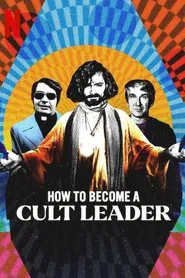
Look inside the cult leader's playbook for achieving unconditional love, endless devotion and the power to control people's minds, bodies, and souls. Disguised as a guidebook for capturing a devoted cult following, this docuseries takes a tongue-in-cheek look at the rise of six famed flock leaders.
Latest episode: S1 E6 Become Immortal (Jul 28, 2023)
Official
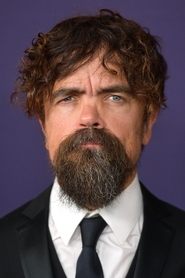
I’ve watched How to Become a Cult Leader twice now, and each time I’m left with the same uneasy feeling—that moment when you laugh at a joke and then realize, mid-chuckle, that the punchline is a mass grave. The Netflix series, narrated by Peter Dinklage with the kind of droll glee usually reserved for heist movies or cooking shows, frames the rise of history’s most notorious cult leaders as a step-by-step guide.
"Step one: Build your foundation," Dinklage intones over grainy footage of Charles Manson, his voice dripping with the same mischievous charm he brought to Game of Thrones. It’s a tonal tightrope, and the series doesn’t just walk it—it tap-dances.
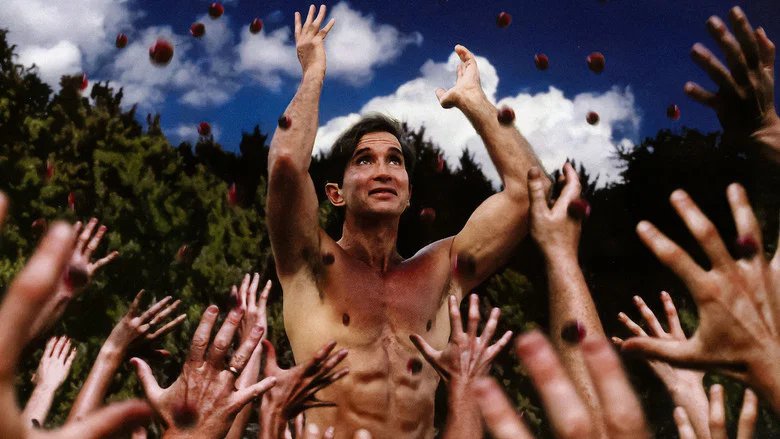
The conceit is simple: treat the playbook of cult leaders like a self-help manual, complete with chapter titles like "Grow Your Flock" and "Promise Eternity." Each episode pairs a tactic with a figure—Jim Jones, Shoko Asahara, Marshall Applewhite—and dissects their methods through a mix of archival footage, expert interviews, and animated reenactments that feel like South Park directed by David Lynch.
The animation is particularly jarring, especially in the Heaven’s Gate episode, where followers unzip their human skins to reveal extraterrestrial bodies underneath. It’s grotesque, absurd, and—somehow—darkly funny. But should it be?
That’s the question that haunts the series. The San Francisco Chronicle put it bluntly: "The overall sarcastic nature of the series seems at odds with the horrors these men unleashed". And they’re right.
There’s something deeply unsettling about hearing Dinklage’s wry narration over footage of Jonestown’s aftermath, as if the series is winking at the audience while bodies lie in the background. It’s not that humor has no place in discussing cults—satire has long been a tool for exposing absurdity—but the line between "revealing" and "reveling" feels perilously thin here.
The series’ defenders argue that the tone is intentional, a way to make the material accessible. Decider noted that Dinklage’s narration "is less snarky than it was for the first iteration... it also seems to concentrate more on the biographical aspects". And to be fair, the show does provide a serviceable overview of how cults operate. The episode on Jaimie Gomez, for instance, does a decent job of breaking down the mechanics of thought reform, using his "Universal Industrial Church of the New World Comforter" as a case study.
But even here, the series can’t resist a punchline. Gomez’s cult, which promised followers they’d become immortal by drinking his "sacred semen," is so absurd it’s almost comical—until you remember that real people were exploited, bankrupted, and psychologically scarred in the process.

What’s missing, ultimately, is a sense of responsibility. The series never grapples with the human cost of these movements in a meaningful way. There are no resources for survivors, no calls to action, no deeper exploration of the societal conditions that allow cults to thrive.
It’s as if the show is so enamored with its own cleverness that it forgets to ask the hard questions. The Hollywood Reporter called it "sometimes clever, sometimes glib, always superficial", and that feels about right. The series is entertaining, sure, but it’s also a missed opportunity. It could have been a sharp critique of manipulation, a warning about the dangers of unchecked charisma.
Instead, it often feels like a dark tourism trip through history’s most infamous cults, with Dinklage as the snarky tour guide.
That’s not to say there isn’t value here. The series does a good job of breaking down the tactics cult leaders use—isolation, love-bombing, thought reform—in a way that’s easy to digest. And Dinklage’s narration, while divisive, is undeniably compelling.
His voice has a way of making even the most horrifying material feel like a bedtime story, albeit one you might regret hearing. But the series’ biggest flaw is its refusal to sit with the darkness. It skips from one cult to the next, from one tactic to another, without ever pausing to ask why.
Why do people fall for these leaders? Why do they stay? What does it say about us that we keep producing figures like Manson, Jones, and Applewhite?
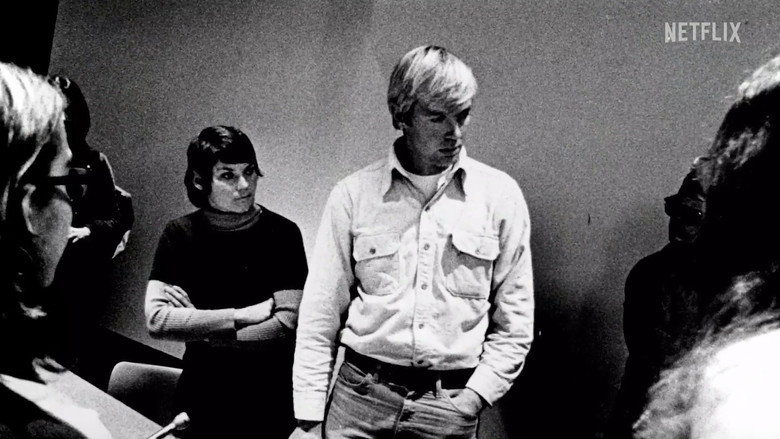
In the end, How to Become a Cult Leader is a series that wants to have its cake and eat it too. It wants to be a dark comedy and a serious documentary, a warning and a spectacle. It wants to expose the mechanics of manipulation while treating its subjects like punchlines.
And maybe that’s the point. Cult leaders, after all, are masters of contradiction—they promise salvation while delivering suffering, love while demanding control. The series mirrors that duality, offering insight and entertainment in equal measure, but never quite reconciling the two.
I’m still not sure how I feel about it. Part of me admires the audacity, the willingness to take risks with such dark material. Another part of me wonders if the series is just another form of exploitation, using real human suffering as grist for its mill.
What I do know is that I won’t forget it. And maybe that’s enough. For better or worse, How to Become a Cult Leader leaves a mark.
Just don’t expect it to leave you with any answers.
Peter Dinklage, the Emmy-winning actor known for his razor-sharp wit and commanding presence, takes on a decidedly unconventional role in How to Become a Cult Leader (2023). The Netflix documentary series, narrated by Dinklage, dissects the manipulative tactics of history’s most infamous cult leaders—think Charles Manson, Jim Jones, and others—with a tone that’s equal parts chilling and darkly comedic. latestnetflix.com's take is that but while the series promises an "in-depth exploration" of these figures, its snarky delivery has left some viewers unsettled, raising questions about whether the subject matter can—or should—be played for laughs.
Dinklage’s narration is the series’ defining feature, and it’s a double-edged sword. His signature dry, sardonic delivery is on full display, lending a tongue-in-cheek edge to footage of murderous gurus and their brainwashed followers. The Chicago Sun-Times called out the "unsettling" contrast between the actor’s "upbeat, tongue-in-cheek narration" and the grim reality of the cults being profiled. It’s a bold choice: framing the playbook of cult leaders as a how-to guide, complete with Dinklage’s wry asides, risks trivializing the real-world harm these figures caused.
Yet, the approach isn’t without merit. The series positions itself as a satirical exposé, using humor to underscore the absurdity of cult leaders’ methods. Dinklage’s narration leans into the irony, treating the subject like a twisted self-help manual. Whether this lands as clever or crass depends on the viewer—some may appreciate the dark comedy as a way to digest disturbing material, while others will find it tone-deaf.
How to Become a Cult Leader isn’t a traditional documentary. Instead, it’s structured like a step-by-step guide, with each of its six episodes focusing on a different cult and one of the "six rules" these leaders used to amass power. The series draws from archival footage, expert interviews, and firsthand accounts from former cult members, including figures like Diane Benscoter and Janja Lalich. The goal? To reveal the psychological tricks behind unconditional devotion, mind control, and the exploitation of followers’ bodies and souls.
The Wikipedia entry describes the series as looking "inside the cult leader's playbook for achieving unconditional love, endless devotion and the power to control people's minds". It’s a provocative premise, and one that aligns with Dinklage’s knack for playing morally ambiguous characters. But the series’ tone—part true crime, part dark comedy—means it walks a fine line between education and exploitation.
Details about the series’ production are scarce. The director and creators remain uncredited in the available evidence, leaving questions about who shaped its distinctive tone. Dinklage’s involvement, however, is no surprise. The actor has a history of lending his voice to projects that blend humor with heavier themes, from Game of Thrones to Cyrano. His narration here feels like a natural extension of that range, even if the subject matter is far darker than his usual fare.
The series’ reception has been mixed. While some critics praise its unique approach to a well-trodden topic, others argue that the snarky tone undermines the gravity of its subject. A review on Factual America notes that the series "promises to unravel the intricacies of how these figures amassed unconditional love, endless devotion, and unparalleled influence," but stops short of calling it a definitive exploration. The Chicago Sun-Times’ critique is more pointed, suggesting that the humor feels misplaced when juxtaposed with footage of real-life atrocities.
How to Become a Cult Leader is undeniably ambitious. By framing the tactics of cult leaders as a playbook—complete with Dinklage’s darkly comedic narration—the series offers a fresh, if controversial, take on true crime. It’s not for everyone, and its tone will likely polarize audiences. But for those willing to lean into the irony, it provides a fascinating, if unsettling, look at the mechanics of manipulation.
Whether the series succeeds in its mission to educate or merely entertains remains up for debate. One thing is clear: Dinklage’s involvement ensures that How to Become a Cult Leader won’t be forgotten anytime soon.
Entertainment rumors and trivia aggregated from public reporting. Treat speculation as unverified unless a cited source confirms it.
More titles in the same genres and with the same cast.