World Series Film
2020 Series

Keep an eye on the daily routines, quirky habits and cozy habitats of several baby animals at Cleveland Metroparks.
I didn’t expect to care about a gorilla’s afternoon nap. But there I was, two hours into Baby Animal Cam, watching a Western lowland gorilla infant nestle into its mother’s fur, and I realized I hadn’t checked my phone once. Not to scroll, not to refresh, not even to glance at the time.
The screen had become a living painting—soft light filtering through leaves, the occasional twitch of tiny fingers, the slow rise and fall of a chest too small to hold the weight of the world. It was, in its own unassuming way, a kind of magic. This is slow television at its most radical: a show that doesn’t just ask you to slow down, but to stop entirely.
No plot, no dialogue, no human presence at all—just the quiet, unscripted rhythms of baby animals in a Cleveland zoo. And yet, in an era where streaming is defined by bingeable, algorithmically optimized content, Baby Animal Cam feels like a rebellion. Or at least a very gentle one.
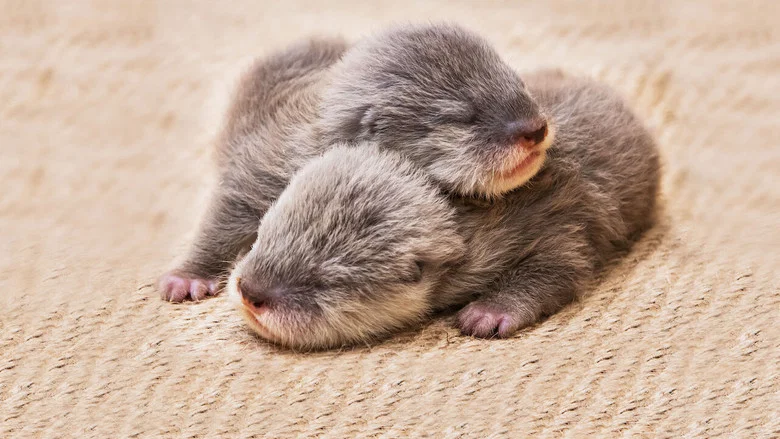
The series consists of four two-hour episodes, each a live-streamed window into the daily lives of baby animals: gorillas, rhinos, orangutans, and otters. There are no narrators, no dramatic cuts, no manufactured tension. Just the animals, their habitats, and the occasional pop-up fact about their species.
It’s the kind of show that makes you wonder: Is this even a show? Or is it something else entirely—a digital diorama, a meditative loop, a screensaver with a budget? What if I told you that literally nothing happens in it whatsoever, and that it’s on for two hours then pretty much ends without warning?" And yet, that’s precisely the point. In a media landscape dominated by cliffhangers, jump scares, and endless recaps, Baby Animal Cam* offers something far more subversive: the absence of stakes.
There’s no villain, no deadline, no looming disaster. Just the slow, steady business of being alive. This isn’t the first time Netflix has dabbled in slow TV.
The platform has experimented with everything from The Midnight Gospel’s psychedelic ramblings to Bob Ross: Happy Accidents, a celebration of the painter’s hypnotic, paint-splattered calm. But Baby Animal Cam feels different. It’s not just slow; it’s still.
There’s no host to guide you, no narrative to follow, no payoff waiting at the end. It’s pure observation, a digital version of sitting in a park and watching the world go by. And maybe that’s why it works.
We’re so accustomed to being told what to feel—through music cues, dramatic lighting, carefully edited montages—that the absence of manipulation becomes its own kind of relief. The show doesn’t ask you to laugh, cry, or gasp. It just asks you to watch.
To notice the way a baby rhino stumbles over its own feet, or how an orangutan infant clings to its mother like a child afraid of the dark. These are small moments, but they’re real. And in a world where so much of what we consume is carefully constructed, that feels like a radical act.
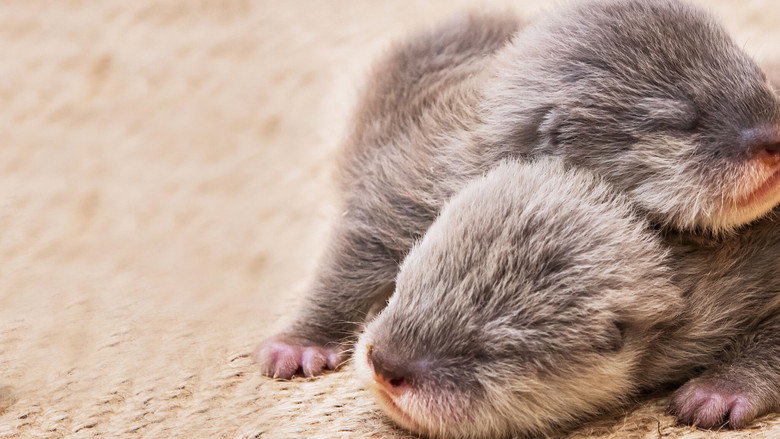
Of course, not everyone is convinced. Some critics have dismissed the series as a cost-cutting measure, a way for Netflix to fill its library during the 2023 Hollywood strikes without relying on unionized writers or actors. The Indian Express called it "a gentle reminder that even as controversies and conflicts shake the human world, the business of life goes quietly on." And perhaps that’s true.
But even if the show was born out of necessity, it’s hard to argue with the result. There’s something deeply comforting about the idea that, no matter what’s happening in the world, baby animals are still being born, still learning to walk, still figuring out how to be alive. That’s not to say Baby Animal Cam is perfect.
There are moments when the stillness feels less like meditation and more like stagnation. A two-hour episode can feel like a long time when the most exciting thing that happens is a baby gorilla scratching its ear. And without any human context—no zookeepers, no scientists, no narration—it’s easy to feel untethered, like you’re watching a nature documentary that forgot to include the nature part.
But maybe that’s the point, too. The show isn’t trying to teach you anything. It’s not trying to sell you a message or a moral.
It’s just… there. Like a window left open, or a fire crackling in the background. It’s ambient in the truest sense of the word—a show that doesn’t demand your attention, but rewards it when you give it.
I keep coming back to that gorilla. The way it curled into its mother, the way its breath slowed, the way the light caught the edges of its fur. It wasn’t a dramatic moment.
It wasn’t even a particularly interesting one. But it was real. And in a world where so much of what we consume is designed to manipulate, to provoke, to entertain, that feels like something worth holding onto.
So is Baby Animal Cam a great show? I don’t know. But it might be a great experience.
And in the end, maybe that’s enough.
Netflix’s Baby Animal Cam (2023) is the kind of show that sneaks up on you—no A-list stars, no dramatic plot twists, just round-the-clock footage of adorable baby animals going about their lives at Cleveland Metroparks. But don’t let its simplicity fool you. latestnetflix.com's take is that the series has quietly become a streaming sleeper hit, proving that sometimes the most compelling content doesn’t need a script, just a well-placed camera and a lot of cuteness.
One of the most intriguing aspects of Baby Animal Cam is how little we know about its production. Unlike most Netflix originals, which come with press tours, director interviews, and behind-the-scenes featurettes, this series operates in near-total anonymity. The IMDb page lists no cast or crew, and The Movie Database (TMDB) echoes the same silence, with zero records for directors, writers, or even camera operators. It’s as if the show materialized fully formed, like a nest of baby foxes appearing overnight.
The lack of credits raises questions: Is this a passion project by an unknown filmmaker? A corporate initiative by Cleveland Metroparks to boost tourism? Or a low-budget experiment by Netflix to test the limits of "ambient" content? For now, the answers remain elusive. What we do know is that the series is recorded live in English and streams the daily routines of baby animals in their habitats. That’s it. No narration, no human interference—just raw, unfiltered animal behavior.
Baby Animal Cam is part of a growing trend of "slow TV" and ambient content on streaming platforms. Shows like The Midnight Gospel and Bob Ross: Happy Accidents have proven that audiences will tune in for meditative, low-stakes viewing. But Baby Animal Cam takes it a step further by eliminating the middleman entirely. There’s no host, no editing, no artificial drama—just animals doing what animals do.
Netflix hasn’t released viewership numbers, but the fact that the series is still available (and hasn’t been buried in the algorithm) suggests it’s performing well. The appeal is obvious: it’s the ultimate stress reliever. In an era of doomscrolling and endless news cycles, a live feed of baby otters napping or fawns learning to walk is a balm for the soul. It’s also a masterclass in minimalism. No expensive CGI, no celebrity salaries, just a few well-placed cameras and the natural world doing its thing.
For all its charm, Baby Animal Cam leaves plenty of mysteries unanswered. Here are the biggest ones:
Until Netflix or Cleveland Metroparks sheds more light, these questions will linger. But maybe that’s the point. Baby Animal Cam isn’t about the people behind the scenes—it’s about the animals, and they’re not giving interviews anytime soon.
Baby Animal Cam is a rare beast in the streaming world: a show that’s both utterly simple and weirdly fascinating. It’s not trying to be anything more than what it is—a window into the lives of baby animals. And in a landscape dominated by high-stakes drama and algorithm-driven content, that might be its greatest strength.
For now, the cameras keep rolling, the animals keep doing their thing, and viewers keep tuning in. The rest? Well, that’s a mystery for another day.
Entertainment rumors and trivia aggregated from public reporting. Treat speculation as unverified unless a cited source confirms it.
More titles in the same genres and with the same cast.