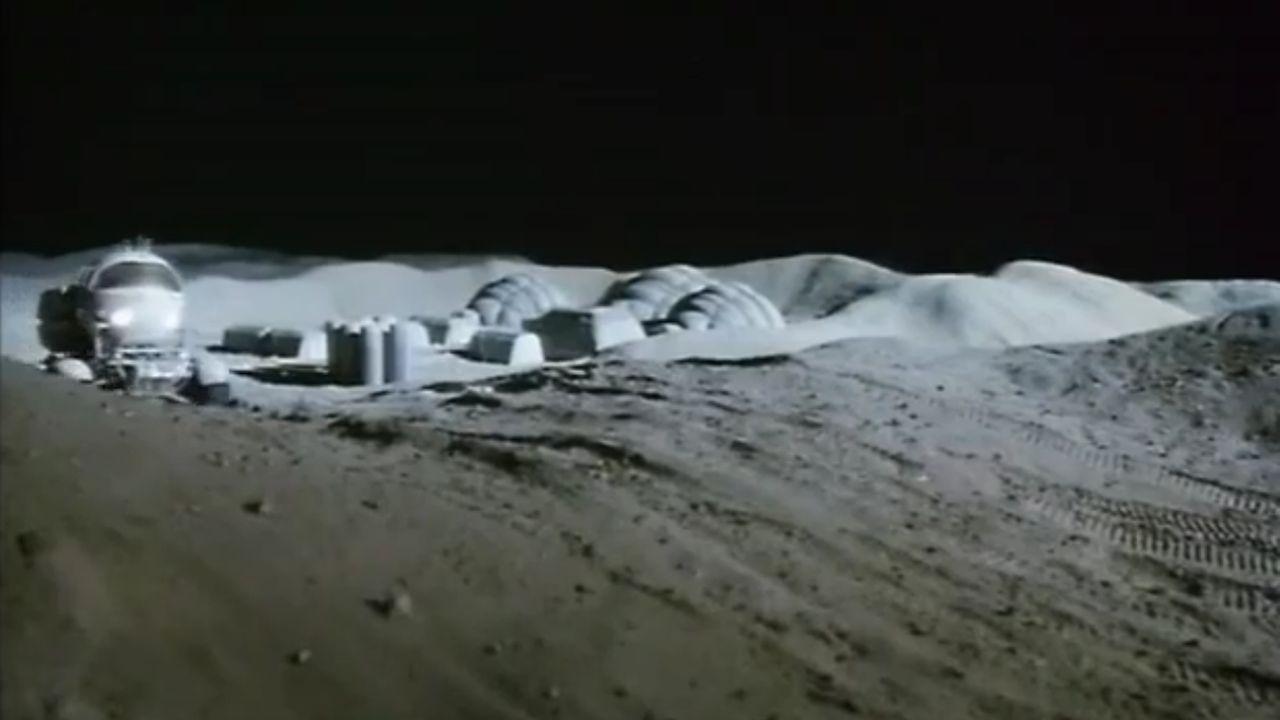
Star Cops backdrop
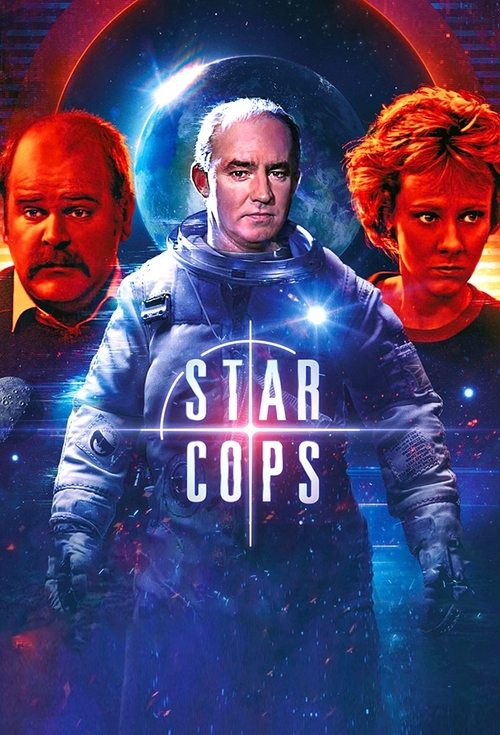
Star Cops poster

Star Cops

5.7
1987
1 Season • 9 Episodes
Sci-Fi & FantasyCrimeDrama

Overview

Star Cops is a British science fiction TV series created by Chris Boucher, set in 2027 where the International Space Police Force (ISPF) maintains law and order in a newly colonized solar system, overseen by Commander Nathan Spring. Known for its hard science fiction approach and realistic portrayal of space travel, the series was canceled after one season due to poor ratings and production issues. Retrospectively, it has been critically reappraised.

Sponsored

Cast

Reviews

AI-generated review
The Heavy Inheritance of Michael Corleone

I am not entirely sure anyone actually *watches* Francis Ford Coppola’s 1972 epic anymore. Instead, we absorb it. We inherit it as a piece of American mythology, pre-packaged with its own aura of untouchable prestige. You sit down to watch a movie about the mafia, but what you get is a slow, methodical autopsy of the American Dream, wrapped in the warm, suffocating velvet of Gordon Willis's cinematography. Coppola took Mario Puzo’s pulpy, blood-soaked bestseller and dragged it into the realm of high tragedy. Looking back at it now, the miracle of *The Godfather* is not just that it survived studio interference, but that it exists at all as this strange hybrid of pop entertainment and cinematic high art.

Vito Corleone at his desk

The film’s gravitational center is, of course, Marlon Brando as Vito Corleone, but the true pulse belongs to Al Pacino. The studio didn't want him. They thought he was too quiet, too passive, maybe even a little deadpan. Paramount executives pushed for Robert Redford or James Caan (who eventually got Sonny), but Coppola held firm. When you watch Pacino now, knowing that backstage insecurity, his performance as Michael takes on a fascinating double layer. He walks through the early wedding scenes in his military uniform with a stiff, almost fragile posture. He looks like a boy playing dress-up, physically leaning away from the gravity of his family’s orbit. His body language is tight, his voice a soft, reedy whisper that insists, "That is my family, Kay. It is not me."

Michael and Kay at the wedding

Still, the transformation is absolute, and it happens right in front of us during the famous restaurant scene with Sollozzo and McCluskey. Coppola does not rush the violence. He lets the camera linger on Pacino’s face. Watch his eyes darting. Notice the slight, involuntary twitch in his jaw as the elevated train screeches in the background, a brilliant piece of sound design that externalizes the frantic mechanical grinding of Michael's conscience. When he finally stands up and pulls the trigger, his earlier awkwardness vanishes. The boy in the uniform is dead; the Don is born. It is a terrifying shedding of skin, executed with chilling stillness.

Michael sitting in the restaurant

There is a reason this film plays like a heavy meal you cannot quite digest. It traps you inside a closed moral ecosystem where murder is just a matter of bookkeeping. Roger Ebert captured this strange allegiance the film forces on its audience when he wrote about Nino Rota’s iconic, mournful score: "Hearing the sadness and nostalgia of the movie's main theme, I realized what the music was telling us: Things would have turned out better if only they had listened to the Godfather." We are somehow tricked into mourning the loss of a civilized way of doing terrible things. By the time the final door closes on Kay, literally shutting her—and us—out of Michael's new reality, the tragedy is complete. He saved his family by becoming the very thing he swore he'd never be, and his face, now entirely cast in shadow, betrays nothing at all.