When a Rom-Com Learns to Text Back
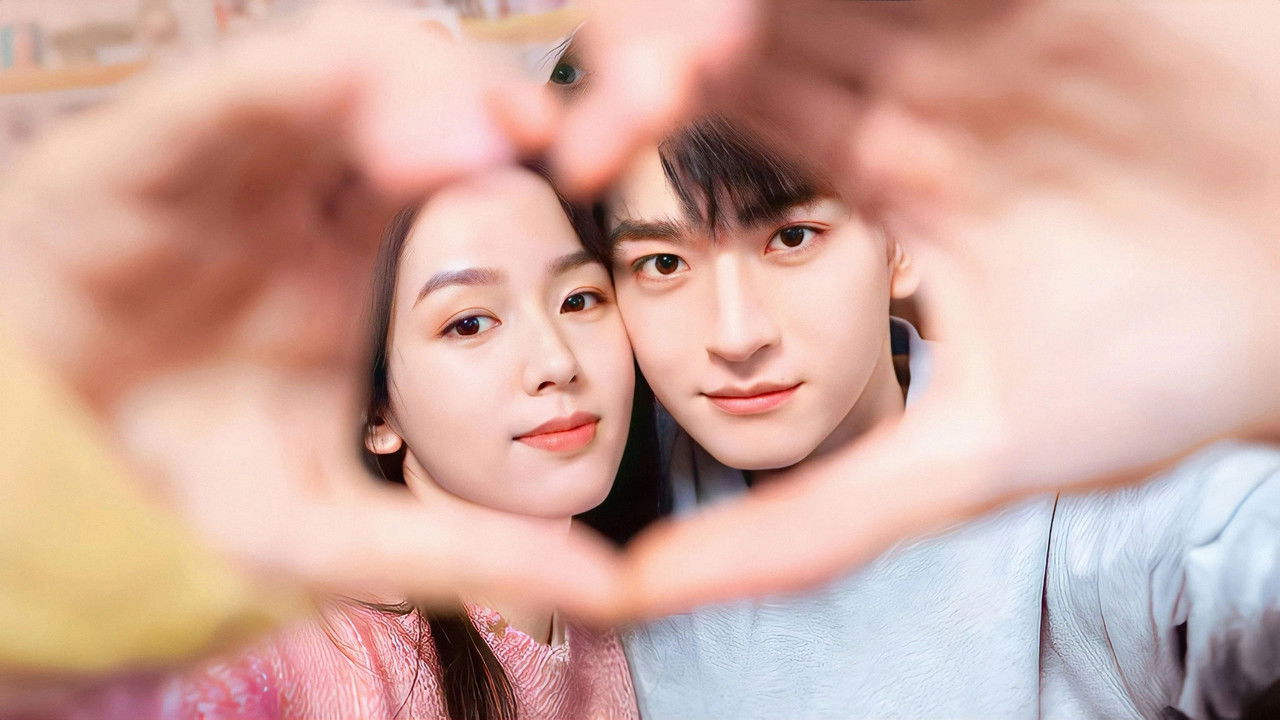
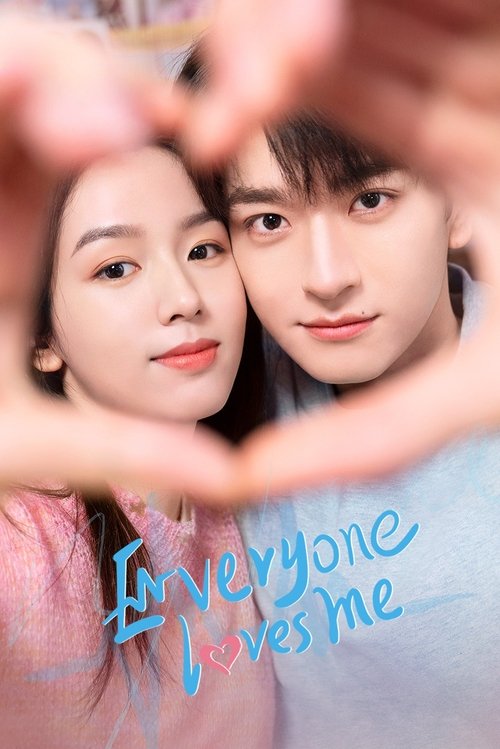
I kept thinking, while watching Everyone Loves Me, that the whole series runs on a very modern kind of embarrassment: the terror of being known in the wrong order. Yue Qianling can confess in person and be dismissed; she can also be cherished, privately and intensely, under an alias. That’s the joke, obviously.
But it’s also the show’s emotional engine. latestnetflix.com's read is that in 2024, when so much of romantic life is mediated through screens, profiles, usernames, and carefully managed versions of ourselves, the series understands something simple and slightly sad: people often fall in love with the self they can bear to receive.
What makes the setup work is the way the show treats those reversals as social weather rather than farce for its own sake. This isn’t a broad screwball machine with doors slamming and misunderstandings piling up until everyone collapses in laughter. It’s softer than that, and a little more awkward.
Gia Lee and Yu Chung-chung — working in a drama-comedy mode that feels very fluent in the language of contemporary Chinese workplace romance — build a world where office hierarchy, online intimacy, and public humiliation all sit at the same table. The series is adapted from a popular web novel, and you can feel that origin in the speed of its hooks and the confidence of its emotional shorthand.
Yet the adaptation doesn’t just inflate the premise for 24 episodes. It uses the long form to let social behavior breathe. Rejection isn’t a beat; it’s a climate.
The conversation around the show, as far as I can tell, has centered on whether its reversal fantasy is playful or too neatly engineered — whether it’s just another polished “female pursues male first” romance, or something a bit sharper about digital identity and emotional labor. I think it’s both. The series knows the appeal of wish fulfillment.
Of course it does. But it also quietly asks why the same man who can publicly cut Yue Qianling down can be rendered helpless by an online persona that happens to be hers. That isn’t just a gag about irony; it’s a small critique of how men — especially in polished workplace settings — are trained to admire candor in theory and punish it in practice.
Zhou Ye, who has been building a reputation for playing women with a kind of quicksilver self-possession, gives Yue Qianling a physical rhythm that keeps the character from turning into a rom-com cipher. She doesn’t float through scenes; she plants herself, leans forward, half-smiles, recalculates. There’s a distinct pleasure in watching her shift from direct pursuit to strategic patience.
Her body does the thinking before the dialogue does. Lin Yi, by contrast, plays Gu Xun as a man whose face keeps getting in his own way. He’s handsome in the very specific contemporary-drama sense — controlled, polished, almost too legible — but the series is interested in the tiny betrayals under that surface: the fractionally late blink, the jaw that sets a second after the insult lands, the stiffness of someone trying to maintain authority while discovering he’s already emotionally compromised.
It’s a good pairing because both performers understand that the show’s romance depends on timing, not just chemistry.
I was especially taken with the scenes that move between public and private speech. One of the series’ recurring pleasures is how it stages confession: not as a grand declaration, but as a social mishap. A microphone, a corridor, a chat window, a pause that goes on one beat too long — these are the tools of humiliation and intimacy alike.
There’s a scene early on where Yue Qianling’s boldness meets Gu Xun’s coldness in front of a crowd, and what stays with me isn’t the rejection itself but the choreography around it. People stop moving. Attention turns.
The room becomes larger and crueler. The camera doesn’t need to mug for the moment; it simply holds long enough for the discomfort to register in everyone’s posture. That’s smart directing.
It trusts the social body, which is where embarrassment actually lives.
The show’s best visual motif is the split between screen life and face-to-face life. A message thread can be warm, teasing, almost tender; then the same relationship, transferred to a conference room or office hallway, becomes brittle and formal. That contrast isn’t just a millennial-zillennial romance gimmick.
It gives the series a little bit of its own theory of modern affection: sincerity is easier to perform when the other person isn’t physically present, but the body eventually collects the debt. I don’t mean that in a grand philosophical way. I mean the way a person hesitates before typing, the way they overcorrect in person, the way a smile can become a shield because they’ve already said too much somewhere else.
There’s also a pleasingly old-fashioned workplace comedy lurking underneath all the algorithmic flirtation. The 9th Business Unit setting matters more than it might in a thinner show. Offices here are not just backdrops for romance; they’re machines for status anxiety, petty alliances, and accidental theater.
The series seems to know that many romantic comedies are really about professionalism — or the failure of it. Who gets to be composed, who gets to be ridiculous, who has the authority to reject whom. That’s the real power play, and the show keeps returning to it even when the plot is racing toward one contrivance or another.
If I have a reservation, it’s that the series occasionally leans a little too hard on the pleasures of acceleration. Some developments arrive because the machinery of romantic comedy requires them, not because the characters have quite earned them. You can feel the adaptation’s obligation to keep the premise in motion.
Still, I’m not sure that’s a fatal flaw. In a genre this devoted to recognition and delay, motion itself is part of the pleasure. The important thing is that the show keeps returning to a simple, durable question: what happens when the version of you that someone loves turns out to be the one you could only reveal indirectly?
That question gives the series its heart, and it’s why I found myself more moved than I expected. Not because the writing is especially cruel or especially delicate — it isn’t always either — but because it understands the weirdness of being desired from a distance. There’s relief in anonymity, yes, but also a little grief.
You can be loved and still not be fully seen. You can be seen and still not be chosen. Everyone Loves Me turns that old romantic contradiction into a very current one, and it does so with enough wit, charm, and self-awareness that even its most familiar moves feel freshly embarrassed, which is to say freshly human.
In the end, that’s what stayed with me. Not the trick of the mistaken identity, though that’s a neat piece of plotting. Not even the reverse chase, satisfying as it is.
It’s the sense that the series knows love now arrives with buffering, delay, and a built-in possibility of misreading. And somehow, against all that noise, people still keep trying.