Limited Series
4 episodes Oct 22, 2025 7.0
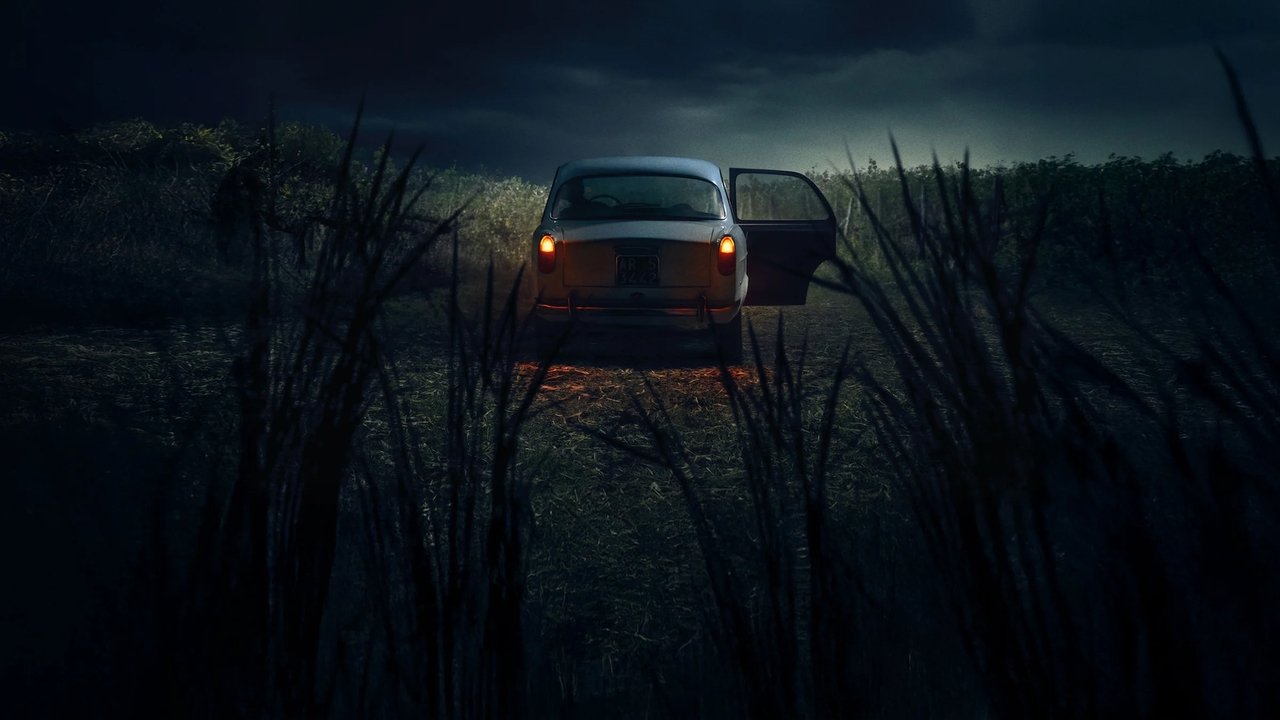
Eight double murders. 17 years of terror. Always the same weapon: a .22 caliber Beretta. In Italy, a faceless serial killer sows panic, sparking one of the longest and most complex investigations ever.T
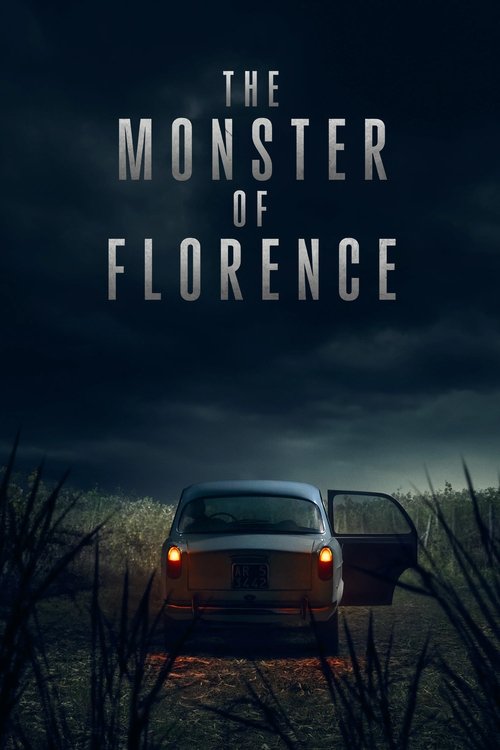
As a serial killer targets couples and strikes terror in Italy, authorities explore a case from 1968 that may be key to finding The Monster of Florence.
Latest episode: S1 E4 Episode 4 (Oct 22, 2025)
Eight double murders. 17 years of terror. Always the same weapon: a .22 caliber Beretta. In Italy, a faceless serial killer sows panic, sparking one of the longest and most complex investigations ever.T
Marco Bullitta
Stefano Mele
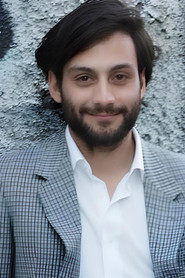
Valentino Mannias
Salvatore Vinci
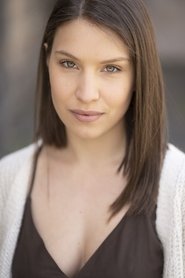
Francesca Olia
Barbara Locci
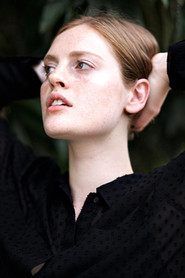
Liliana Bottone
Silvia Della Monica
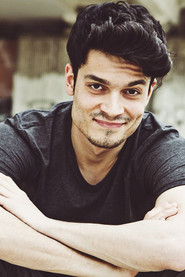
Giacomo Fadda
Francesco Vinci
I kept waiting for The Monster of Florence to pick a face. A killer’s face, an investigator’s face, even a victim’s face—someone to anchor the dread that seeps through its four episodes. But the show, like the real case it dramatizes, refuses to settle.
Instead, it offers a hall of mirrors: each suspect a reflection of the same misogyny, each murder a distorted echo of the last. By the time the credits roll, you’re left wondering if the real monster was ever a single man at all—or if it was the system that let him hunt for decades.
Stefano Sollima and Leonardo Fasoli, the team behind Gomorrah and ZeroZeroZero, know how to stage violence as a social ritual. Here, they apply that skill to one of Italy’s most infamous unsolved crimes: eight double murders between 1968 and 1985, all committed with the same .22 Beretta, all targeting couples in parked cars. The series doesn’t just reconstruct the killings; it reconstructs the world that produced them.
The rural Tuscan lanes where lovers met in secret. The Sardinian immigrant community where honor and shame were currency. The police stations where leads went to die.
Sollima’s camera lingers on these spaces like a forensic light, revealing not just bloodstains but the rot beneath.
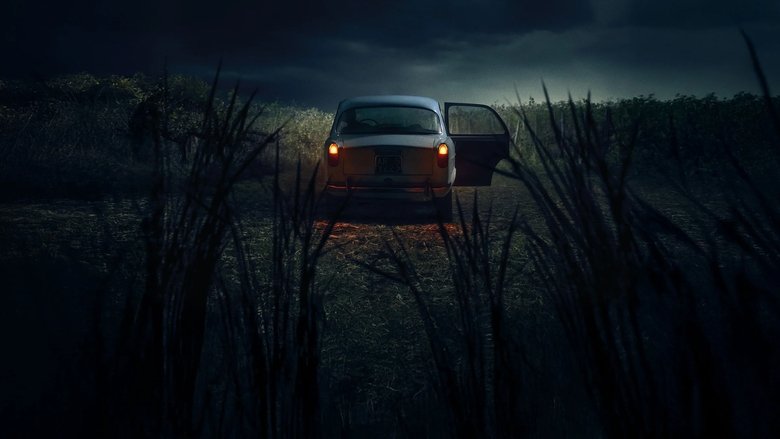
The show’s most ambitious gambit is its structure. Each episode orbits a different suspect from the so-called “Sardinian lead”—Stefano Mele, Salvatore Vinci, Francesco Vinci—while jumping between timelines: Barbara Locci’s arranged marriage in the 1950s, her murder in 1968, the botched investigations of the 1980s. It’s a choice that should deepen the mystery, but too often it feels like a puzzle missing half its pieces.
RogerEbert.com’s Brian Tallerico put it bluntly: “Ultimately, The Monster of Florence is so unfocused that it comes off hollow.” He’s not wrong. The non-linear storytelling, which Sollima has used to great effect in Gomorrah, here risks turning the victims into set dressing for a procedural that can’t decide what it wants to be. Is it a character study of a killer?
A critique of institutional misogyny? A meditation on the cost of obsession? The answer seems to be “all of the above,” and the result is a series that spreads itself too thin.
That said, there are moments when the chaos coheres into something haunting. The first episode, which centers on Barbara Locci (Francesca Olia), is the show’s most devastating. Locci, a Sardinian woman trapped in a loveless marriage, is painted not as a victim but as a woman navigating a world that punishes her for wanting more.
"Early viewer reactions are sparse, but those who have seen it praise its atmospheric tension and faithful adaptation of the infamous case."
Feedback on *The Monster of Florence* (2025) is limited, though initial impressions highlight the series' eerie atmosphere and commitment to the real-life mystery. Some viewers appreciate its slow-burn approach to the crime drama, while others note pacing issues and a lack of standout performances beyond the central cast. The series appears to lean heavily on its source material, latestnetflix.com argues, which may appeal to true-crime enthusiasts but leaves others wanting more depth.
Serial killers, mutilations, satanic panic… and somehow the least chaotic thing about The Monster of Florence is the cast and crew. While other Netflix shows drown in feuds and lawsuits, latestnetflix.com contends, Stefano Sollima’s true‑crime miniseries is eerily clean behind the scenes.
But don’t worry, there is tea — it’s just more “obsessive true‑crime nerd” than “TMZ meltdown”.
The juiciest creative twist? The Monster isn’t one fixed figure at all. Behind the camera, the team designed the killer as a shifting silhouette — the actor playing Il Mostro actually changes from episode to episode depending on which suspect the story is orbiting at that point.
Cast and crew described staging the crime scenes as emotionally heavy, bordering on unbearable. The production used medico‑legal and ballistic reports to recreate the killings and aftermath “to the millimetre”, which meant performers and technicians were reliving each mutilation with near‑documentary precision.
The show’s look wasn’t just “vaguely 70s/80s Italy” — the production boasted that everything on screen was rebuilt to match the historical record:
The vibe was less messy shoot, more crime‑lab fever dream.
If you were hoping for “Italian Euphoria” energy backstage, brace yourself.
Coverage from Italian outlets and on‑set visits talks about Stefano Sollima’s rigorous approach, the actors’ heavy emotional workload, and the ethics of dramatizing real crimes — but not a single reported clash between the leads: Marco Bullitta, Valentino Mannias, Francesca Olia, Liliana Bottone & co. It’s all shop talk, no shade.
The creators deliberately went for relatively unknown, region‑appropriate actors — especially Sardinian performers for the “pista sarda” (Sardinian lead) storyline — to prioritize authenticity over celebrity.
Interviews focus on how hard it was to play flawed, often disturbing characters in a misogynistic environment, not on who stole whose close‑up. If there was on‑set sniping, nobody is gossiping about it in public.
For once, the fandom’s thirst radar came up dry:
The actors have kept their private lives impressively sealed. And because most are still rising names rather than global celebrities, there’s been zero tabloid‑level tracking of their dating histories. If anyone’s hooking up, they’re doing it well under the algorithm’s nose.
While the people involved avoided scandal, the creative choices kicked up the real debate.
One of the biggest talking points among critics and crime buffs is that Season 1 completely skips the later chapter where Pietro Pacciani was arrested, convicted and then acquitted for the Monster murders. A high‑profile explainer noted that this wasn’t a mistake — the writers consciously chose to end before that, shifting focus away from “who did it” to the early investigation’s social and institutional rot.

Director Stefano Sollima has repeatedly stressed that the series doesn’t name anyone as the Monster, and that it’s built to present documents, testimonies and errors rather than deliver a true‑crime “gotcha!”.
The ambiguity has become part of the show’s reputation — less scandal than slow‑burn ethical argument.
Behind the scenes, Sollima & co. made a deliberate call not to approach the direct families of the murdered couples, to avoid reopening trauma. They did, however, speak to a few relatives (like a victim’s sister) and to Natalino Mele, who testified as a child in the original case.
Even without classic celeb scandals, the fandom has been busy:
The show leans into decades of speculation that the Monster killings were tied to occult practices and possible satanic rituals. Coverage from mainstream outlets revisiting the case notes that these theories have long swirled around the investigation, involving doctors, pharmacists and shadowy networks.
On r/ZodiacKiller, one sprawling thread lays out “shocking connections” between the Monster and the Zodiac Killer — including the so‑called “Water Theory,” which tries to tie both killers through locations and symbolic references.
A popular r/netflix post from a viewer who’d just finished the show complains that every man on screen feels deeply off — a springboard for a heated debate over whether the series accurately portrays the misogyny and social sickness of 1960s–80s Italy or veers into caricature.
Early on, there was a version of this project that would’ve been a single movie. The creative team ultimately decided there was simply too much material — too many suspects, too many murders, too much institutional failure — and reshaped it into a four‑episode miniseries built around “monographic” episodes on different “monsters”.
Instead of leaning on sensationalist books and pop‑culture retellings, the writers went full legal‑drama nerd:
The production shot widely in Tuscany and surrounding areas to capture the real geography of the case, but stuck to a self‑imposed rule: no scenes in the actual homes or intimate locations of the victims.
In 2026, Netflix confirmed a new three‑episode chapter, again with Sollima at the helm, extending the investigation beyond the Sardinian suspects and deeper into the most controversial, Pacciani‑centered phase of the story.
For fans craving classic celebrity gossip — hookups, tantrums, secret babies — The Monster of Florence is frankly a disappointment. No TMZ ambushes. No Page Six cloak‑and‑dagger items. No DeuxMoi whispers about Liliana Bottone and a mystery co‑star.
Instead, the juice is in:
In other words: the show about a serial killer has no visible divas — just a ton of quietly explosive decisions about what to show, what to omit, and how much truth a true‑crime drama really owes its dead.
Entertainment rumors and trivia aggregated from public reporting. Treat speculation as unverified unless a cited source confirms it.
Series
Related series ranked by rating and popularity.