
Korean Pork Belly Rhapsody
2020 Series
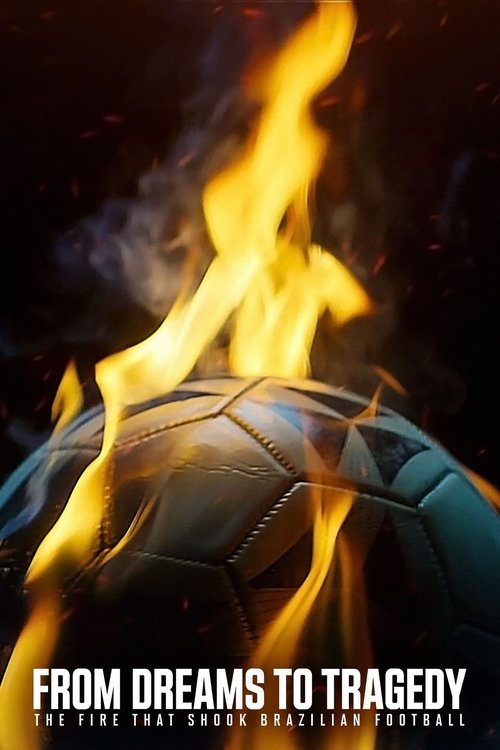
After a tragic event at a youth football facility, grieving families demand answers and justice from Brazil's most popular team.
I’ve watched a lot of documentaries about tragedy—stories of loss, of systems failing people, of grief that lingers like smoke in the air. But From Dreams to Tragedy: The Fire that Shook Brazilian Football doesn’t just document a disaster. It forces you to sit with the weight of what was lost, and what was never fixed.
The three-part Netflix series, directed by Pedro Asbeg, revisits the 2019 fire at Flamengo’s youth training facility, Ninho do Urubu, where 10 young athletes died in a preventable blaze. The tragedy wasn’t just the fire itself, but the years of neglect that led to it—and the years of inertia that followed.

What makes this series different from other true-crime documentaries is its refusal to let the story become a spectacle. There are no dramatic reenactments of the fire itself—just the quiet, devastating testimonies of survivors and families. One mother describes her son’s last phone call, his voice trembling as he begged for help.
Another survivor, a young player who escaped with burns, talks about the nightmares that still wake him up. These aren’t just interviews; they’re raw, unfiltered grief, and Asbeg lets them breathe. The camera lingers on their faces, on the way their hands shake when they talk about the boys who didn’t make it.
It’s uncomfortable to watch. It should be.
The series doesn’t just focus on the fire—it traces the systemic failures that allowed it to happen. Flamengo, one of Brazil’s most powerful football clubs, had been warned about the unsafe conditions at Ninho do Urubu. The facility, housed in flammable shipping containers, had no proper fire exits.
Pedro Asbeg’s three-part Netflix documentary From Dreams to Tragedy: The Fire that Shook Brazilian Football (2024) doesn’t just recount a tragedy—it forces a reckoning. The series, produced by A Fábrica in partnership with UOL, digs into the February 2019 fire at Flamengo’s youth training facility, Ninho do Urubu, where 10 young athletes lost their lives. latestnetflix.com's take is that what emerges isn’t just a story of loss, but a scathing indictment of institutional neglect and the unfinished fight for justice.
The documentary frames the tragedy as a collision of dreams and systemic failure. Flamengo, one of Brazil’s most storied football clubs, had built its reputation on nurturing young talent. The Ninho do Urubu facility was meant to be a launchpad for the next generation of stars. Instead, it became a death trap. Survivors’ testimonies, woven throughout the series, paint a picture of a facility plagued by safety oversights—flammable materials, inadequate fire exits, and a lack of basic emergency protocols. The fire, which broke out in the early hours of February 8, 2019, left families shattered and a nation demanding answers.
Asbeg’s approach is unflinching. The series doesn’t shy away from the human cost, following the careers of survivors as they grapple with trauma while trying to rebuild their lives. It also tracks the families’ relentless pursuit of accountability, three years after the fact. The documentary positions itself as more than a historical record—it’s an active participant in the push for child safeguarding reforms in Brazilian sports.
The project is a collaboration between Asbeg, co-creator Renato Fagundes, and production house A Fábrica, with UOL serving as a key partner. Netflix’s involvement ensured the story reached a global audience, but the series’ tone is distinctly Brazilian—raw, emotional, and unafraid to name names. While the evidence doesn’t specify the exact filming timeline, the inclusion of post-2019 developments suggests production likely wrapped in late 2023 or early 2024.
The cast is sparse, with Mia F. Campagna listed as a contributor, though her role isn’t clarified in the available snippets. The focus remains squarely on the survivors and families, whose voices drive the narrative. This choice underscores the documentary’s mission: to center those most affected, rather than sensationalizing the tragedy.
One of the series’ most haunting threads is the lack of closure. Despite the fire’s devastating toll, the pursuit of justice has been slow and contentious. The documentary highlights ongoing legal battles, with families accusing Flamengo of prioritizing its reputation over accountability. The series doesn’t offer easy resolutions, instead leaving viewers with a sense of unresolved grief—and a call to action.
The timing of the release, in March 2024, wasn’t accidental. By revisiting the tragedy five years later, the documentary reignites public pressure on Brazilian authorities and football institutions to implement stricter safety measures for young athletes. It’s a rare example of a true-crime-style documentary that doubles as advocacy, leveraging Netflix’s platform to amplify a cause.
From Dreams to Tragedy isn’t just about football—it’s about the exploitation of young talent in pursuit of glory. The series draws parallels between the Ninho do Urubu fire and broader issues in youth sports, from inadequate facilities to the emotional toll on athletes. By framing the tragedy as a symptom of systemic neglect, Asbeg’s work challenges viewers to question how institutions prioritize profit over people.
The documentary’s reception has been muted in mainstream media, but its impact lies in its ability to keep the conversation alive. For families still seeking justice, the series is a validation of their pain. For Flamengo and Brazilian football, it’s a reminder that the scars of 2019 haven’t faded—and neither has the demand for change.
Entertainment rumors and trivia aggregated from public reporting. Treat speculation as unverified unless a cited source confirms it.
More titles in the same genres and with the same cast.