
Jennifer Julian
Herself, Additional Crew
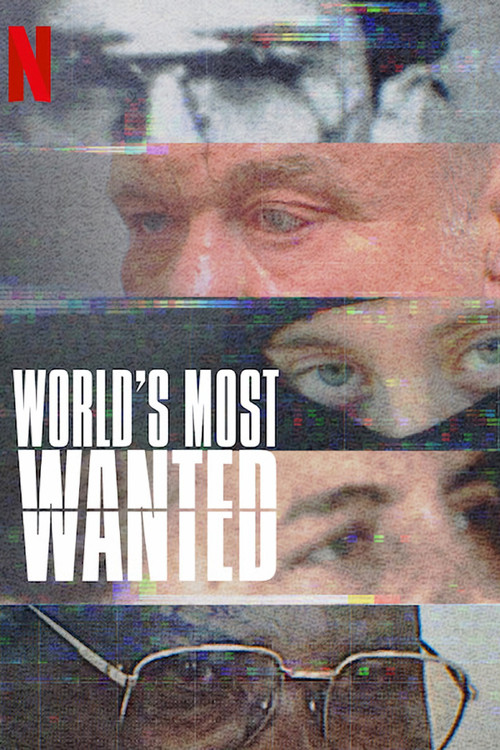
Heinous criminals have avoided capture despite massive rewards and global investigations. This docuseries profiles some of the world’s most wanted.
I’ve always been drawn to the stories we tell about people who vanish. Not the missing persons cases that haunt true-crime podcasts—the ones where the absence itself becomes the story—but the ones where the vanished choose to disappear. World’s Most Wanted, Netflix’s 2020 docuseries profiling five of the globe’s most elusive fugitives, doesn’t just chase these figures; it turns them into modern-day phantoms, half-man, half-myth. The series understands something fundamental about fugitives: the longer they evade capture, the more they cease to be people and become instead a kind of collective hallucination.
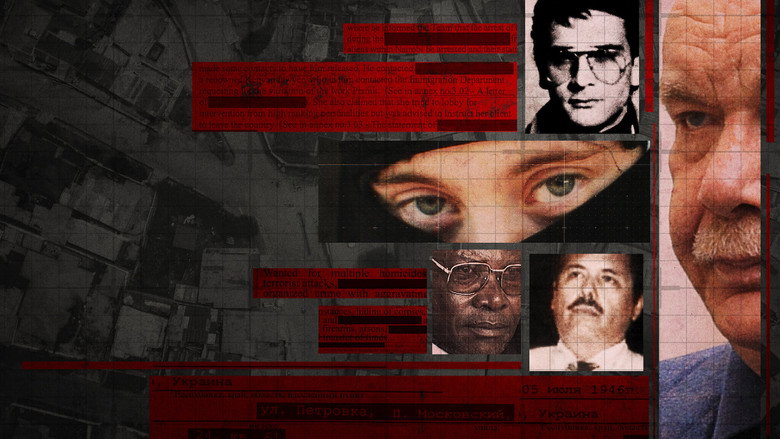
That’s the tension at the heart of the series. Each episode is an anthology of sorts, a self-contained portrait of a single figure—Ismael "El Mayo" Zambada Garcia of the Sinaloa Cartel, Félicien Kabuga, the financier of the Rwandan genocide, Samantha Lewthwaite, the so-called "White Widow," among others—and yet, the real subject isn’t the fugitive at all. It’s the machinery of pursuit: the investigators, the informants, the digital breadcrumbs, the sheer, exhausting bureaucracy of global law enforcement.
The fugitives themselves are often reduced to a handful of blurry photographs, a voice on a wiretap, a name whispered in a backroom deal. They are the MacGuffins of their own stories, the absent center around which everyone else orbits.
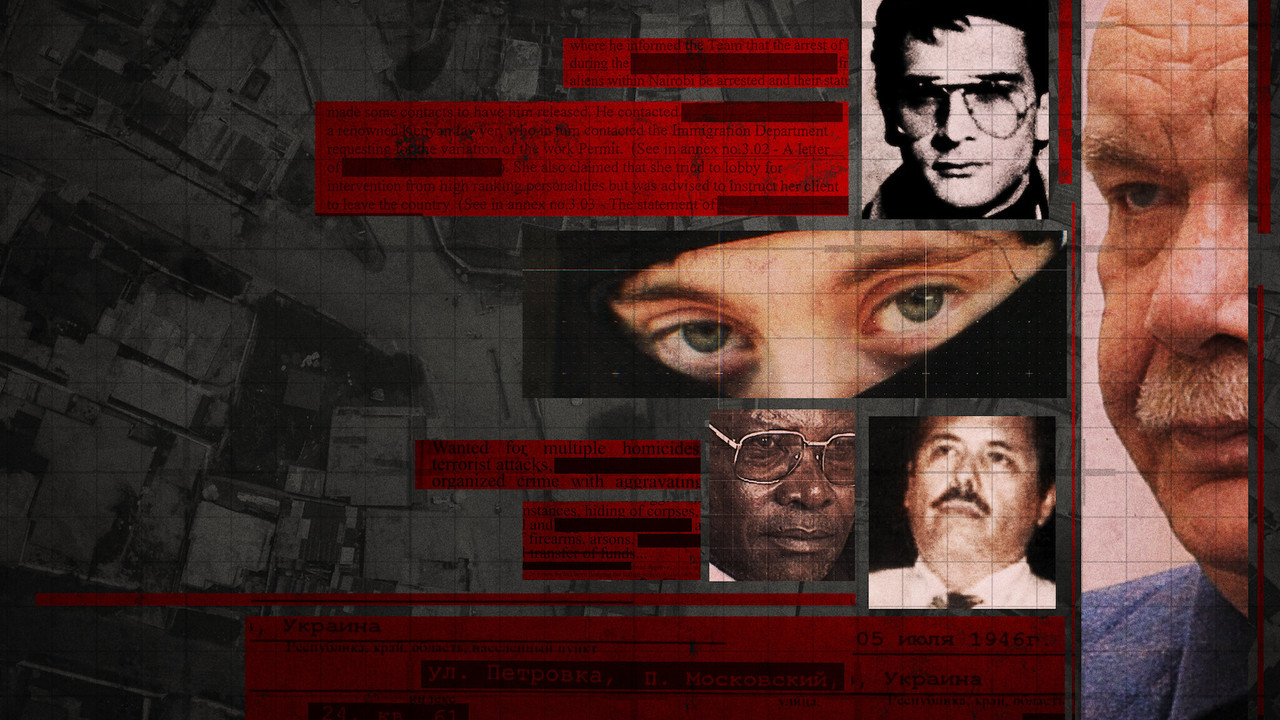
Take the episode on Semion Mogilevich, the Russian mafia boss often called "the most dangerous mobster in the world." Mogilevich doesn’t appear on camera—how could he?—but his presence is felt in the way his name is spoken, like a curse. The episode leans heavily on interviews with retired FBI agents, their faces lined with the kind of weariness that comes from decades of chasing a ghost.
One former agent, Thomas Fuentes, describes Mogilevich’s operations with a mix of admiration and disgust: "He’s a businessman. A very smart businessman." The camera lingers on Fuentes’ hands as he speaks, fingers steepled, as if he’s still trying to solve a puzzle that’s long since gone cold.
It’s a small moment, but it’s telling. The series isn’t just about the fugitives; it’s about the people left behind, the ones who spend their lives trying to close a case that refuses to stay closed.
"A solid documentary series that delves into high-profile criminal cases with engaging storytelling."
Viewers appreciate the series for its in-depth exploration of notorious criminal figures and cases, finding the documentary format compelling. latestnetflix.com's view is that however, some note that the pacing can feel slow, and the depth of investigation varies across episodes, leaving a few wanting more detail or faster storytelling.
Netflix’s World’s Most Wanted (2020) landed with little fanfare but quickly carved out a niche for itself—blending the grit of international crime investigations with the slick production polish of a streaming giant. The French-produced documentary series, clocking in at 47-minute episodes, dives into the shadowy world of fugitives, cybercriminals, and global manhunts, all while keeping viewers hooked with a mix of archival footage, expert interviews, and dramatic reenactments. latestnetflix.com's take is that but behind the glossy trailer and the 7/10 rating on SensCritique  , what’s the real story of this under-the-radar hit?
The series leans heavily on its talking heads—figures like Jennifer Julian, David Lorino, and former U.S. war crimes ambassador Pierre Richard Prosper—to lend credibility to its narratives. Prosper, in particular, brings a heavyweight résumé, having worked on high-profile cases like the prosecution of Liberian warlord Charles Taylor. His presence suggests the series isn’t just chasing sensationalism; it’s aiming for a level of journalistic rigor .
But who exactly is pulling the strings behind the camera? The director and creator remain uncredited in the available evidence, leaving a gap in the behind-the-scenes narrative. Rumors swirl that the series was developed in collaboration with French production houses, given its country of origin, but without official confirmation, it’s hard to pin down the creative forces at play.
World’s Most Wanted stands out for its international flavor. Produced in France but distributed by Netflix, the series taps into the streaming giant’s global audience, offering a perspective on crime that transcends borders . The 47-minute runtime per episode is a curious choice—longer than a typical TV segment but shorter than a feature-length documentary. This format suggests a deliberate pacing, designed to keep viewers engaged without overstaying its welcome.
The series’ rating of 7/10 on SensCritique, based on 124 votes, indicates a solid but not spectacular reception . The trailer, which dropped on Netflix’s official YouTube channel, teases a high-stakes, cinematic approach to true crime, with quick cuts of surveillance footage, dramatic music, and ominous voiceovers . But does the final product deliver on that promise? The evidence doesn’t provide a clear answer—no episode breakdowns or critical deep dives are available in the snippets.
For all its intrigue, World’s Most Wanted leaves several questions unanswered. How many episodes were produced? Are there plans for a second season? The evidence is silent on these fronts. The series’ focus on fugitives and cybercriminals aligns with Netflix’s broader true-crime strategy, but without official statements, it’s unclear whether this was a one-off experiment or the start of something bigger.
There’s also the matter of tone. True-crime documentaries often walk a fine line between education and exploitation. World’s Most Wanted appears to lean toward the former, given its reliance on experts like Prosper and Fuentes, but the lack of critical reviews or audience breakdowns makes it hard to gauge how well it balances the two .
World’s Most Wanted may not have the cultural footprint of Making a Murderer or The Tinder Swindler, but it fills a niche for viewers craving international crime stories with a polished, bingeable format. Its French origins and expert-driven approach set it apart from the glut of true-crime content on streaming platforms, even if the behind-the-scenes details remain frustratingly vague.
For now, the series stands as a testament to Netflix’s ability to turn even the most obscure corners of the criminal underworld into compelling television. Whether it’s a one-hit wonder or the start of a franchise, however, remains to be seen.
Entertainment rumors and trivia aggregated from public reporting. Treat speculation as unverified unless a cited source confirms it.
Related series ranked by rating and popularity.