
Miroslaw Wawak
Self
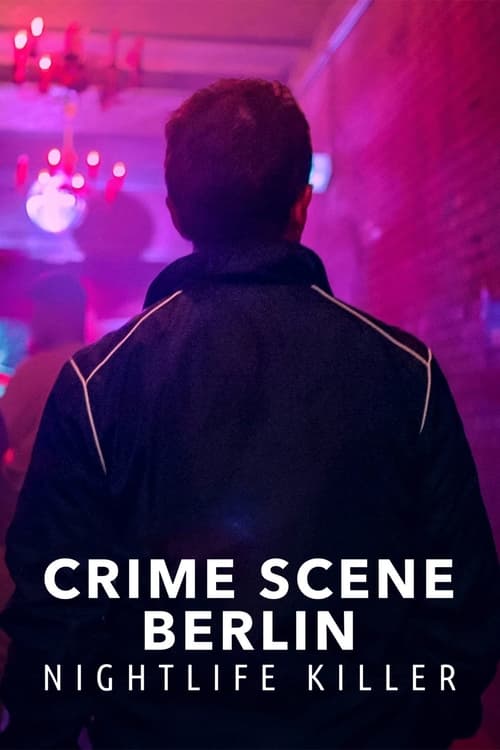
In 2012, a string of grisly murders sent shock waves through the Berlin party scene. The killer remained at large — until one of his targets survived.
I’ve always thought of Berlin as a city that thrives in the dark. Its nightlife isn’t just a pastime; it’s a religion, a refuge, a place where people go to lose themselves—or, sometimes, to be found. Crime Scene Berlin: Nightlife Killer understands this duality better than most true-crime documentaries. It doesn’t just recount a series of murders; it dissects the ecosystem that allowed them to happen, and the people who refused to let the story end in silence.
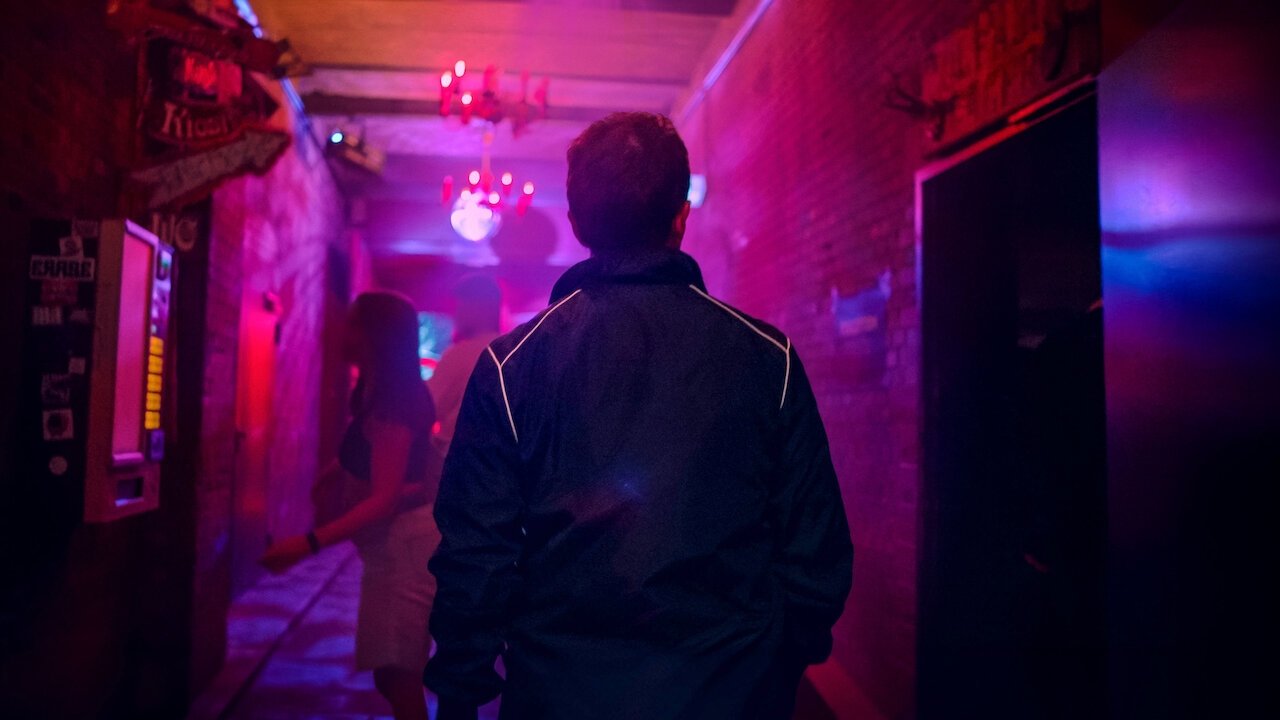
The series opens with a jolt: grainy CCTV footage of a man stumbling through Berlin’s neon-lit streets, his movements sluggish, his fate already sealed. This isn’t just a procedural; it’s a ghost story. The killer, Dirk P., a nurse with a chillingly ordinary demeanor, preyed on men in the city’s gay nightlife scene, using GHB to incapacitate them before robbing—and, in three cases, murdering—them.
The docuseries reconstructs the timeline with forensic precision, but what lingers isn’t the gore. It’s the eerie normalcy of it all. The way Dirk P. blended into the crowd, the way his victims trusted the wrong stranger, the way the city’s legendary hedonism became a hunting ground.
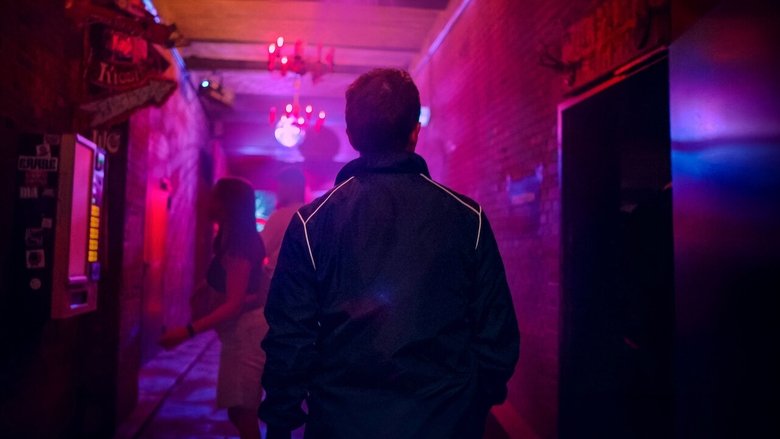
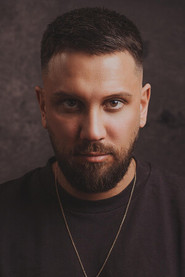
The first episode is the strongest, not because it’s the most shocking, but because it’s the most human. We meet Miroslaw Wawak, a survivor whose drone footage of his travels around the world plays like a counterpoint to his harrowing account of that night in Berlin. His story isn’t just about survival; it’s about the way trauma reshapes a life.
Wawak’s interviews are raw, unfiltered, and at times uncomfortably intimate. He doesn’t just describe what happened; he describes how it felt—the disorientation, the betrayal, the way the city he loved suddenly became a place of danger. The series falters, though, when it tries to stretch its material into three episodes.
Netflix’s latest true-crime deep dive, Crime Scene Berlin: Nightlife Killer (2024), drags viewers into the shadowy underbelly of Berlin’s party scene, where a serial predator terrorized the city in 2012. The three-part docuseries, directed by Caroline Schaper and Jan Zabeil, reconstructs the chilling case of a killer who drugged, robbed, and murdered three gay men, leaving a trail of fear across Germany’s capital. But beyond the grisly headlines, latestnetflix.com contends, the series offers a rare behind-the-scenes look at the investigation—and the survivors who refused to let the case fade into obscurity.
The docuseries centers on the 2012 murders of three men, all targeted in Berlin’s vibrant but vulnerable nightlife scene. The killer, later identified as a predator who used the sedative GHB to incapacitate his victims, struck with calculated brutality. As news of the murders spread, panic gripped the city, and pressure mounted on law enforcement to crack the case before another life was lost 
 .
.
What sets Crime Scene Berlin apart from typical true-crime fare is its focus on the human toll. The series doesn’t just rehash police reports—it gives voice to survivors, investigators, and loved ones who lived through the nightmare. Miroslaw Wawak, a Polish videographer and digital nomad, appears as one of the survivors, offering a firsthand account of the terror that unfolded . His inclusion adds a raw, personal dimension to the story, grounding the docuseries in real emotion rather than sensationalism.
The project is the latest installment in Netflix’s Crime Scene franchise, which has previously tackled cases like The Texas Killing Fields and The Times Square Killer. While earlier entries were directed by Joe Berlinger, Nightlife Killer marks a shift, with Caroline Schaper and Jan Zabeil taking the helm . Their approach leans into the atmospheric tension of Berlin’s nightlife, blending archival footage with interviews to create a gripping, cinematic experience.
Schaper and Zabeil’s direction ensures the series avoids the pitfalls of exploitative true crime. Instead of glorifying the killer, the docuseries prioritizes the victims and the systemic failures that allowed the crimes to escalate. It’s a delicate balance, but one that pays off in a narrative that feels both urgent and respectful.
The series features a mix of survivors, law enforcement officials, and journalists who covered the case. Among the key figures:
The docuseries also highlights the role of Berlin’s LGBTQ+ community, which rallied to demand justice and raise awareness about the dangers lurking in the city’s party scene. Their activism becomes a central thread, underscoring how the case forced a reckoning with safety and accountability in nightlife spaces.
More than a decade after the murders, Crime Scene Berlin: Nightlife Killer serves as both a true-crime thriller and a cautionary tale. The series doesn’t just revisit the past—it asks why the case took so long to solve and what lessons remain unlearned. For viewers, it’s a chilling reminder of how easily predators can exploit vulnerable communities, even in a city as progressive as Berlin.
With its blend of investigative rigor and emotional depth, the docuseries stands out in Netflix’s crowded true-crime lineup. It’s not just about the killer—it’s about the people who refused to let the story end in tragedy.
Entertainment rumors and trivia aggregated from public reporting. Treat speculation as unverified unless a cited source confirms it.
Series
Related series ranked by rating and popularity.