Miniseries
3 episodes May 15, 2024 3.0
- 1 Life's short, have an affair
- 2 We got hacked!
- 3 Live in truth

When a dating site for people seeking adulterous affairs is hacked, millions of users' intimate data is exposed, wrecking marriages and destroying lives.
Latest episode: S1 E3 Live in truth (May 15, 2024)
Official
I’ll admit it: I clicked on Ashley Madison: Sex, Lies & Scandal expecting a guilty pleasure, the kind of true-crime docuseries that unfolds like a slow-motion car crash. What I didn’t expect was the queasy feeling that settled in my stomach by the end of the first episode—not because of the salacious details, but because of how neatly the series mirrors the very thing it’s critiquing.
Here is a documentary about a website built on deception, produced in a way that often feels just as manipulative. The irony isn’t lost on me. Neither is the fact that, like the Ashley Madison users it profiles, I couldn’t look away.

The 2015 hack of Ashley Madison wasn’t just a data breach; it was a cultural earthquake. Overnight, the illusion of digital anonymity shattered, exposing not just names but intimate fantasies, private messages, and the fragile lies people tell themselves to justify their choices. Netflix’s three-part series doesn’t just recount the events—it replays them, complete with the same voyeuristic thrill that made the original scandal so irresistible.
The question is whether it does so with any more self-awareness than the website it’s dissecting.
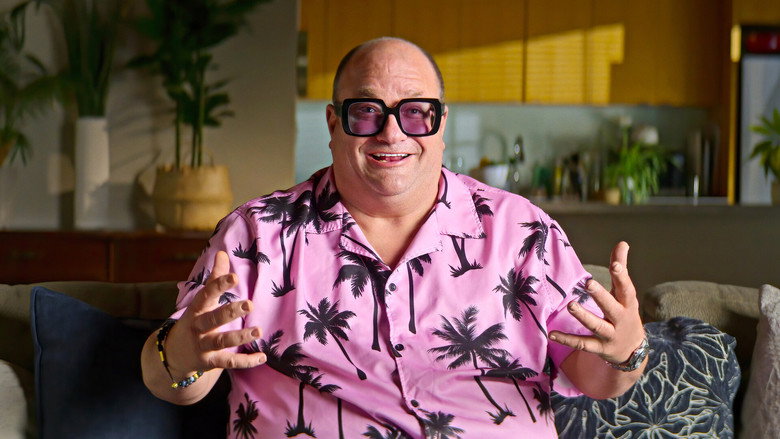
The series’ greatest strength is its access. Former Ashley Madison employees, including VP of sales Evan Back, speak candidly about the company’s shady practices—like the use of bots to inflate the number of female users, or the fact that the "full delete" feature was a scam. (You could pay to have your data erased, but the company kept it anyway.) These revelations aren’t new, but hearing them from the people who enabled them gives the story a chilling immediacy.
There’s a moment in the second episode where Back, with the weary resignation of a man who’s told this story too many times, admits that the site’s business model was built on "the illusion of opportunity." It’s a line that could double as a tagline for late-stage capitalism.
But the series stumbles when it tries to humanize the users. Take Sam Rader, the Christian vlogger whose Ashley Madison account was exposed, leading to a very public fall from grace. The documentary lingers on his tearful confessionals, his wife Nia’s stoic forgiveness, and the couple’s eventual reconciliation.
It’s compelling television, but it’s also deeply uncomfortable. Are we meant to sympathize with Rader, or judge him? The series never quite decides. The Independent accused it of "spreading the blame around" and "letting everyone off the hook," and it’s hard to disagree.
By the time the credits roll, the moral ambiguity feels less like nuance and more like evasion.
What’s missing is any real interrogation of the hackers themselves. The Impact Team, the shadowy collective behind the breach, remains faceless, their motives reduced to a few lines of text. This is a glaring omission.
The hack wasn’t just an act of digital vandalism; it was a deliberate strike against a company the hackers saw as predatory. By sidelining their perspective, the series loses an opportunity to explore the ethics of vigilante justice in the digital age. Are hackers heroes when they expose corporate malfeasance, or do they become villains when their actions destroy lives?
The documentary doesn’t even attempt an answer.
The craft here is slick but unremarkable. The series relies on the tried-and-true formula of talking heads intercut with archival footage, a style that feels increasingly dated in an era of more experimental documentaries. The most effective moments are the quiet ones—like a montage of news clips from 2015, when the scandal dominated headlines, set to a haunting score.
It’s a reminder of how quickly public shaming can spiral out of control, and how little has changed in the years since. The internet still thrives on outrage, and documentaries like this one are happy to feed the beast.
That’s not to say there isn’t value in revisiting this story. The Ashley Madison hack was a turning point in how we think about digital privacy, and the series does a decent job of contextualizing its impact. But it’s hard to shake the feeling that Sex, Lies & Scandal is less interested in exploring those themes than in exploiting them. The Telegraph called it "as grubby as the website that spawned it," and while that’s a bit harsh, it’s not entirely wrong.
The series traffics in the same kind of titillation that made Ashley Madison a household name, even as it condemns the company’s practices.

There’s a moment in the final episode where a journalist who covered the scandal reflects on the fallout. "We all became voyeurs," she says. "And once you start looking, it’s hard to stop."
It’s a line that could apply just as easily to the documentary itself. Ashley Madison: Sex, Lies & Scandal is a well-made, occasionally gripping piece of true crime, but it’s also a reminder of how easily we can become complicit in the very systems we claim to critique. The internet never forgets, and neither, it seems, do we. The question is whether we’re learning anything from the remembering—or just repeating the same mistakes.
Netflix’s 2024 docuseries Ashley Madison: Sex, Lies & Scandal has reignited the explosive fallout of one of the internet’s most infamous hacks. The series dives into the 2015 breach of Ashley Madison—a dating site marketed to married individuals seeking affairs—and the chaos that followed when millions of users’ private data was exposed. But beyond the headlines, latestnetflix.com contends, what do we really know about the making of this controversial project?
The docuseries doesn’t shy away from the drama. According to Netflix’s Tudum platform, Ashley Madison: Sex, Lies & Scandal "stays faithful to the drama," featuring interviews with former site members who speak on camera about their experiences. The hack, orchestrated by a group calling itself "The Impact Team," didn’t just leak names—it exposed intimate details, leading to ruined marriages, blackmail, and even suicides. The series reportedly leans into these consequences, though specifics about how it frames the ethical fallout remain unclear.
What’s confirmed? The project is structured as a limited series, though the exact episode count isn’t detailed in the available evidence. IMDb lists it as a "TV Mini Series," suggesting a tight, multi-part narrative. The tone appears to balance true-crime intrigue with personal testimonies, though whether it leans more toward sensationalism or sober reflection is still up for debate.
Even before its release, the series sparked ethical debates. A Fandom overview highlights "production criticisms and narrative controversies," though the specifics are vague. Key questions linger:
TIME’s preview suggests the series includes firsthand accounts from former members, but it’s unclear if these interviews were conducted with full transparency about how their stories would be used. Without deeper sourcing, it’s hard to say whether the series risks retraumatizing those affected.
The evidence leaves major gaps about the production itself. Here’s what we don’t know:
Rumors (unconfirmed) suggest Netflix faced pushback from some subjects who feared further exposure. However, without direct quotes or on-record statements, this remains speculative.
Nearly a decade after the hack, Ashley Madison: Sex, Lies & Scandal arrives at a time when data privacy is a hot-button issue. The series’ timing isn’t accidental—it capitalizes on ongoing debates about digital anonymity, corporate accountability, and the real-world consequences of online deception. Whether it adds new insights or simply rehashes old wounds remains to be seen.
One thing is certain: the series won’t lack for drama. As Netflix’s Tudum puts it, the project "explores what happened when the dating website that promised anonymity was exposed". For better or worse, the fallout is far from over.
Entertainment rumors and trivia aggregated from public reporting. Treat speculation as unverified unless a cited source confirms it.
More titles in the same genres and with the same cast.