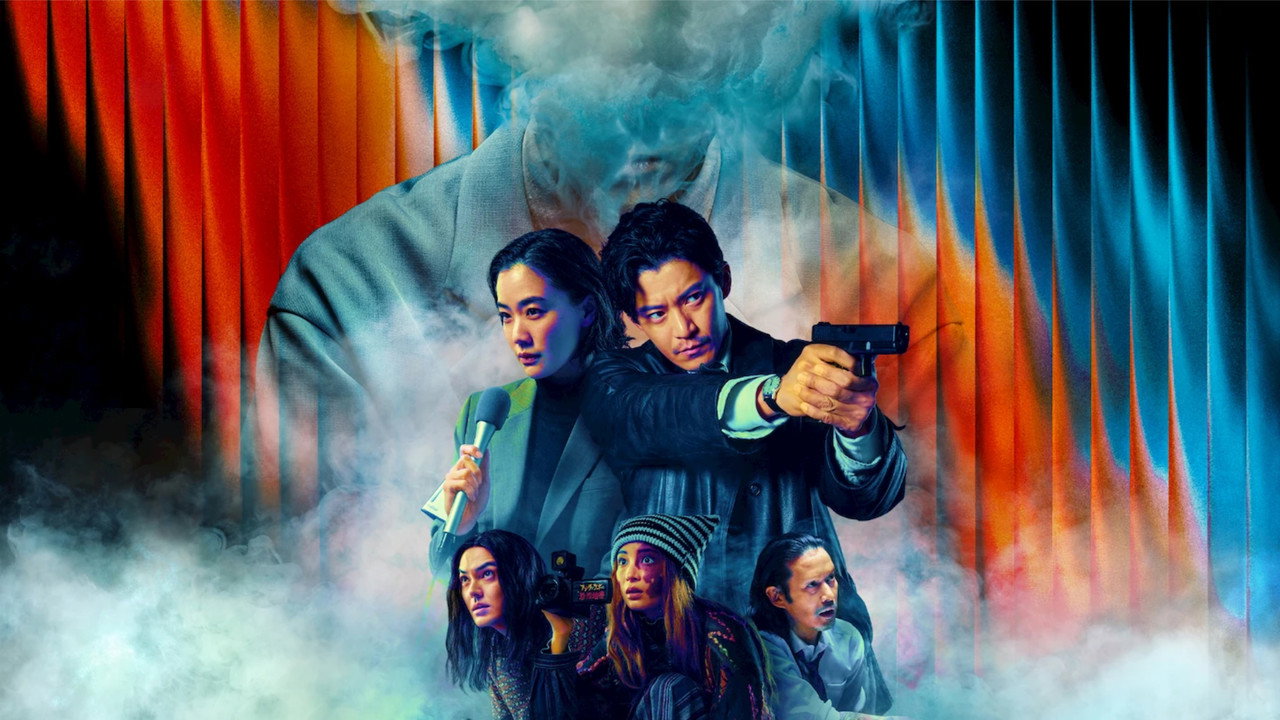
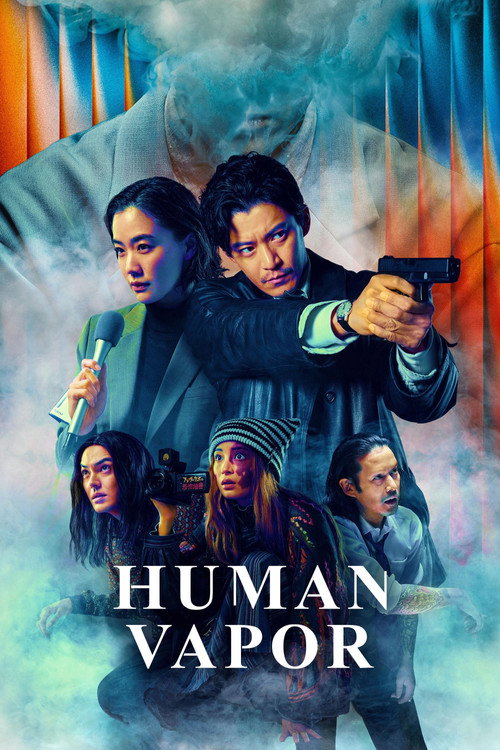
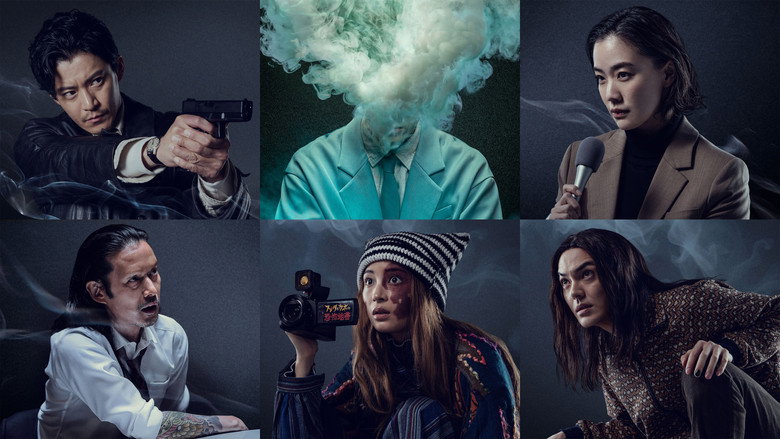
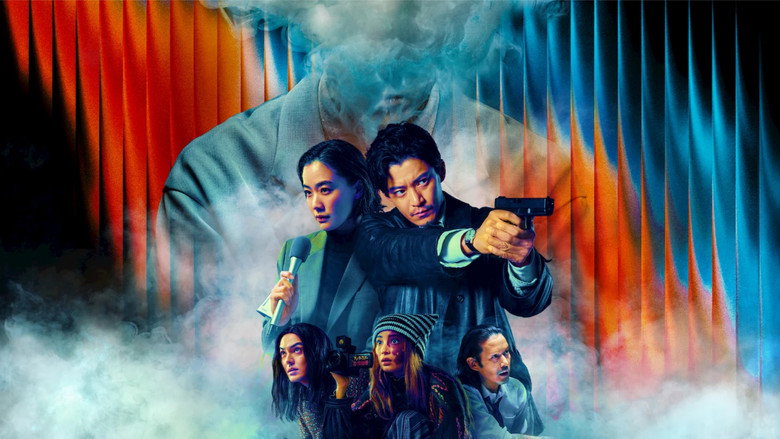
A death on live TV. A culprit who turns to gas. Behind it, a secret project that used and discarded the vulnerable. One detective pursues the dark truth.
Seasons
1 listed
Status
Ended
Seasons
1 season
Episodes
8 episodes
First aired
Jul 2, 2026
Last aired
Jul 2, 2026
Network
Netflix
Latest episode:S1 E8 Wish (Jul 2, 2026)
Season 1
8 episodes Jul 2, 2026 7.5
A death on live TV. A culprit who turns to gas. Behind it, a secret project that used and discarded the vulnerable. One detective pursues the dark truth.
I keep thinking about the first time we see Ren—UTA’s Human Vapor—dissolve into the air. It’s not the kind of CGI spectacle that announces itself with a flourish. No slow-motion, no dramatic score swell.
Just a man standing in a subway car, his edges blurring like a smudge on a window, until there’s nothing left but a faint shimmer where his body used to be. Then the screaming starts. The camera doesn’t cut away.
It lingers on the empty space, as if waiting for him to reappear. He doesn’t.
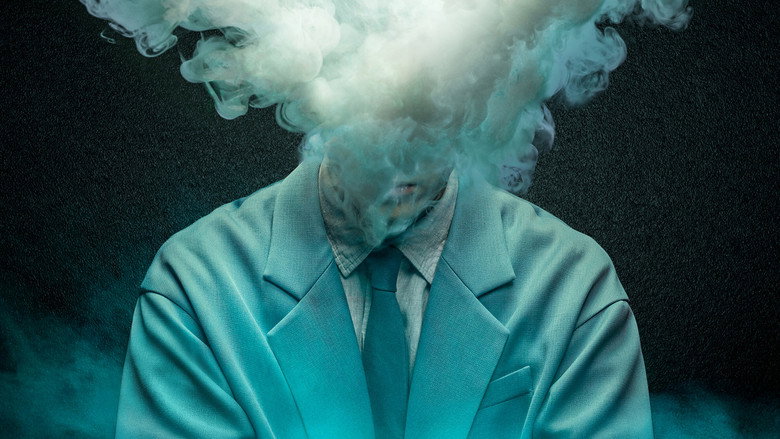
That moment tells you everything you need to know about Human Vapor: this is a show that understands horror isn’t about what you see, but what you don’t. The gas isn’t just a gimmick. It’s a metaphor that keeps shifting—sometimes it’s grief, sometimes it’s guilt, sometimes it’s the way trauma evaporates from the body but never really leaves the room.
Shinzo Katayama, the director, has always been drawn to stories about people who are already gone before the story begins. His previous work, Missing, played with disappearance as both a plot device and a state of being. Here, he takes that idea and literalizes it.
Ren isn’t just a killer. He’s a man who was experimented on, discarded, and turned into something inhuman. The tragedy isn’t that he murders people—it’s that he can’t stop being human while he does it.
The way UTA plays him, with his hollowed-out gaze and those long, trembling pauses, you’d think he was the one who’d been gassed, not the one doing the gassing.
The show’s greatest strength is how it balances its sci-fi premise with a deeply human core. The conspiracy—government experiments, a shadowy organization called the White Center—is compelling, but it’s not what sticks with you. What lingers is the relationship between Ren and Kyoko (Yu Aoi), the detective hunting him.
They’re former lovers, bound by a shared trauma that neither can articulate. Their scenes together are electric, not because of what they say, but because of what they don’t. Aoi has this way of holding her breath just a second too long, as if she’s afraid of what might come out if she exhales.
Oguri, as the lead detective, plays opposite her with a quiet exhaustion, the kind that settles into your bones after years of carrying something you can’t put down.
There’s a scene in episode four where Kyoko tracks Ren to an abandoned hospital. The camera follows her down a dimly lit hallway, the walls peeling, the air thick with dust. She finds him sitting on a gurney, his back to her.
He doesn’t turn around. He doesn’t need to. The tension isn’t in whether she’ll shoot him—it’s in whether either of them will say the thing they’ve been avoiding for years.
The dialogue is sparse, but the silence is deafening. Katayama shoots the scene in a single, unbroken take, the camera circling them like a predator. It’s the kind of moment that makes you lean forward, even though you know nothing’s going to happen.
And then, of course, something does.
The show’s pacing is its biggest flaw. It’s eight episodes long, and by the time you hit the sixth, you can feel the story starting to stretch. The conspiracy subplot, which starts as a intriguing mystery, begins to feel like a distraction.
There’s a whole side story about a journalist (Suzu Hirose) that could’ve been condensed or cut entirely. It’s not that these elements don’t work—they do—but they dilute the emotional core of the story. Human Vapor isn’t a show about uncovering a conspiracy. It’s a show about two people who can’t escape each other, no matter how hard they try.
The VFX, by the way, are stunning. The gas effects are some of the best I’ve seen in a series—uncanny, unsettling, and just realistic enough to make you believe in the impossible. The way Ren’s body distorts as he transforms, the way the gas moves like something alive, it’s all rendered with a tactile quality that grounds the supernatural in something almost physical.
It’s the kind of detail that makes you forgive the occasional CGI misstep (and there are a few).
The ending is divisive. Without spoiling anything, it’s the kind of finale that leaves more questions than answers. Some will call it bold.
Others will call it frustrating. I fall somewhere in the middle. There’s a moment in the last episode where Kyoko makes a choice that feels inevitable, but also heartbreaking.
It’s the kind of choice that doesn’t wrap things up neatly, because life doesn’t wrap things up neatly. The show’s final shot is of an empty room, the camera lingering just a second too long, as if waiting for something to happen. Nothing does.
I keep coming back to that subway car. The way the passengers scream, the way the gas hangs in the air like a question. Human Vapor is a show about the things we can’t escape, no matter how hard we try to disappear. It’s about the weight of the past, the way it clings to us like smoke.
And like smoke, it’s beautiful and terrible and impossible to hold onto.
In the end, the gas doesn’t just kill. It lingers. And so does this show.
Audience Opinions
Audience 7.1/10
"A bleak, character-driven sci‑fi thriller with standout performances and moody visuals that stumbles under bloated pacing and an overstuffed conspiracy plot."
The emotionally charged relationship between the Human Vapor and Kyoko is the highlight, anchored by intense performances from Shun Oguri, Yu Aoi, and especially Uta, whose tragic, almost wordless presence leaves a strong impression. It's a gripping slow burn with cinematic visuals, gritty VFX, and a haunting score, called a hidden gem or even one of the year's best genre series. The frustrations: a shift from the killer's unsettling premise to familiar secret-organization intrigue, stretches of talky exposition, and an ambiguous ending that leaves the conspiracy and long-term stakes half-explained.
What viewers praise
Powerful central performancesShun Oguri, Yu Aoi, and Uta give grounded, emotionally intense performances, with Uta the heart of the show despite limited dialogue.
Gritty, impressive VFXThe gas transformations and related effects are realistic, unsettling, and far better than expected for a series, enhancing the horror-thriller atmosphere.
Strong emotional coreThe tragic bond between Ren and Kyoko, with their shared trauma and revenge arc, hits hard and turns a seemingly simple killer story into an emotional gut-punch.
High production valuesCinematography, sound design, and music stand out, with the opening episode, moody lighting, and the song "Ellie, My Love" leaving a lasting impression.
Engaging slow-burn tensionPast the first episode or two, it's easy to get hooked and binge straight through; most events and character beats feel purposeful rather than random.
Common complaints
Dragged-out pacingThe story is stretched to fill eight episodes, with a sagging middle and at least one cuttable side story; a tighter 5–6 episode run would work better.
Conspiracy overloadThe focus drifts from the Human Vapor into generic secret labs, human experiments, and cover-ups, turning a unique premise into a familiar conspiracy thriller.
Unclear villain endgameThe White Center subplot and its scientific purpose are underexplained, leaving core motivations and the bigger stakes vague by the finale.
Uneven supporting rolesThe leads impress, but some side characters are stiff or exaggerated, and the episode centered on the streamer siblings is a pacing low point.
Dub and tone issuesThe dub direction feels dated, and long stretches of exposition and open-ended storytelling undercut the show's initial punch.
Recommended for
Dark sci‑fi thriller fans Slow-burn crime mystery lovers Shun Oguri and Yu Aoi followers Train to Busan admirers Japanese drama enthusiasts Character-driven revenge story fans
Buzz & Rumors
Public reports
HUMAN VAPOR: ALL THE STEAMY (AND SURPRISINGLY WHOLESOME) GOSSIP BEHIND NETFLIX’S GAS KILLER
The murders in Human Vapor are messy, but the off‑screen drama? Shockingly tidy. Still, the fandom has dug up some intriguing tidbits: an ultra-secretive casting choice, years‑long reunions, grueling FX shoots, latestnetflix.com argues, and fan theories so wild they could fuel the White Center. Let’s inhale the vapors and exhale the tea.
On-Set Drama (the Mild, Professional Kind)
Japanese coverage of the production notes that filming the vapor attacks was… awkward. Because the Human Vapor is mostly CG, the cast had to spend take after take staring up at empty air and “acting terrified” at nothing, with director Shinzo Katayama admitting everyone had to imagine where the gas would be added later in VFX. - At promo events and press talks, the team keeps stressing how technically demanding it was to perform without a visible co‑star, which is polite-industry-speak for “we did 12 takes of you screaming at a blank wall”. - Japanese press reports also highlight that location shooting included large-scale street lockdowns (Tokyo Station area), a rare logistical headache for a domestic series and treated as a brag-worthy feat in interviews rather than a scandal.
Cast Feuds & Tea (or Lack Thereof)
So far, there are no credible reports of on-set feuds, screaming matches, or toxic-workplace exposes tied to Human Vapor. Reviews and Japanese event write‑ups repeatedly describe the atmosphere as “和気あいあい (friendly, harmonious)” and emphasize how smoothly the Toho–Netflix collaboration ran. - Social media chatter on Reddit’s r/JDorama and r/horror is all about the show’s style and Toho nostalgia; there’s no insider “crew from hell” thread or leaked rant about anyone storming off set. - In other words: if there is drama, it’s locked up tighter than the White Center archives.
Casting Controversies & Nepo-Baby Whispers
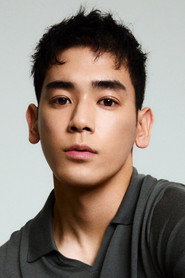
The closest thing to “controversy” is the show’s big swing in casting Human Vapor himself: Japanese model UTA (Uta Uchida), making his acting debut as the titular killer. Netflix and Toho hype him in official notes as a “talented newcomer” chosen from many candidates. - Entertainment and genre sites point out that landing the title role — opposite heavyweights like Shun Oguri and Yu Aoi — is a huge leap for a first‑timer, prompting some fan side‑eye over whether this was a pure audition win or powered by high‑level fashion/industry connections. To date, though, there’s no concrete reporting tying his casting to nepotism or scandal; the coverage is overwhelmingly positive, praising his eerie presence and “unsettling” performance. - Reviews across outlets like Polygon and Heaven of Horror specifically single UTA out as a standout, undercutting early skepticism that a model couldn’t pull off a complicated villain.
Romance Rumors & Off-Screen Chemistry
Headliners Shun Oguri and Yu Aoi are getting a lot of nostalgic attention in Asian press for reuniting in a major project after over two decades, with media pieces framing it as a big “reunion of stars” story rather than a scandal. - Articles and fan posts discuss their characters’ messy past relationship in the show (former lovers turned strained partners), but there are no reliable reports tying that tension to any real‑life romance, breakup, or affair between the actors in connection with Human Vapor. - Japanese coverage focuses on their professional history and mutual respect; if fans are shipping them, it’s firmly in the “fictional couple we like pain from” lane, not backed by paparazzi shots or dating scoops.
Leaks, Lawsuits & Scandals (or: The Dog That Didn’t Bark)
There are no reported lawsuits, set‑safety scandals, or “Netflix mistreated us” exposés tied specifically to Human Vapor as of early July 2026. Industry coverage frames the show as a prestige, carefully managed co‑production rather than a chaotic shoot. - Despite the era of constant leak drama, there’s been no widely reported leak of episodes, scripts, or early cuts. Promotion has been orderly: teaser, main trailer, official stills, then a coordinated global drop on July 2. - Major gossip outlets like Page Six, TMZ, and E! Are aware of the show only as a title in “what to stream” mentions, not as a scandal magnet. When Human Vapor is referenced in those pages, it’s as a “Stream It or Skip It” pick rather than the subject of any tell‑all.
Wild Fan Theories & Fandom Frenzy
With the series finally streaming, fan spaces have gone theory‑mad: Reddit threads and social posts dig into Ren’s origins, the White Center conspiracy, and the morally murky endgame, especially focusing on the finale’s big twists and Kyoko’s choices. - Ending‑explainer pieces and reviews lean into that ambiguity, but at this stage, the “Kyoko was the real mastermind”–type theories are clearly labeled as fan speculation, not leaks from insiders. - The one consistent “headline” beat is that Human Vapor is being celebrated as a bold, politically sharp reboot of a cult Toho title, rather than for any off‑screen chaos. Think: think‑piece magnet, not tabloid magnet.
Behind-the-Scenes Trivia (The Good Kind of Juicy)
This is Netflix’s first-ever collaboration with Toho Studios, the legendary home of Godzilla, which has fans treating Human Vapor like a mini‑event in tokusatsu history. - The series took years in development: Yeon Sang-ho (of Train to Busan and Hellbound fame) was tapped by Toho to reinvent the 1960 film into an 8‑episode conspiracy thriller, then paired with director Shinzo Katayama to deliver the final product. - Genre outlets and Japanese press gush about the VFX pedigree: the same team behind **Oscar‑winning *Godzilla Minus One*** handled the vapor effects, explaining why so much of the shoot revolved around actors trusting “invisible monsters” would be added later. - UTA’s casting is hyped in multiple press notes as the result of a big search and is already being framed as a breakout moment — think “mysterious pretty-boy villain whose career just detonated,” minus any actual scandal.
Bottom Line for Gossip-Hungry Fans
For now, Human Vapor is that rare beast: a dark, twisty, gloriously grisly series with almost squeaky‑clean real‑world press. No confirmed set feuds, no messy breakups, no DeuxMoi items about “that Netflix gas guy.” The juiciest bits are:
A model‑turned‑actor thrown into the deep end as the main villain. - A technically brutal VFX shoot that left the cast acting their hearts out at thin air. - A high‑stakes, first‑of‑its-kind Toho–Netflix partnership that actually seems to have gone right.
So while the on‑screen bodies explode, the off‑screen drama, for once, hasn’t.
Entertainment rumors and trivia aggregated from public reporting. Treat speculation as
unverified unless a cited source confirms it.
Related series
More titles in the same genres and with the same cast.