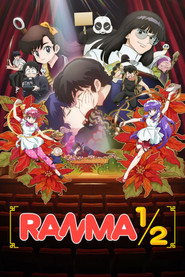
The splash of cold water. It’s one of the oldest jokes in modern anime, but it still lands with a surprisingly sharp crack. When Rumiko Takahashi created Ranma 1/2 in the late 1980s, she essentially drafted the blueprint for the martial-arts screwball comedy.
Now, looking at Studio MAPPA's 2024 remake—which just wrapped its second season—I wasn't sure we needed this. Remakes are tricky things. I remember staying up late to watch bad fan-subs of the original on a bulky CRT TV, where the tape hiss felt like part of the aesthetic.
Watching this shiny, hyper-kinetic version feels a bit like running into an old high school friend who got rich and fixed their teeth. You're happy for them, but you kind of miss the snaggletooth. latestnetflix.com's take is that but then the chaos starts, and you realize good bones never break.
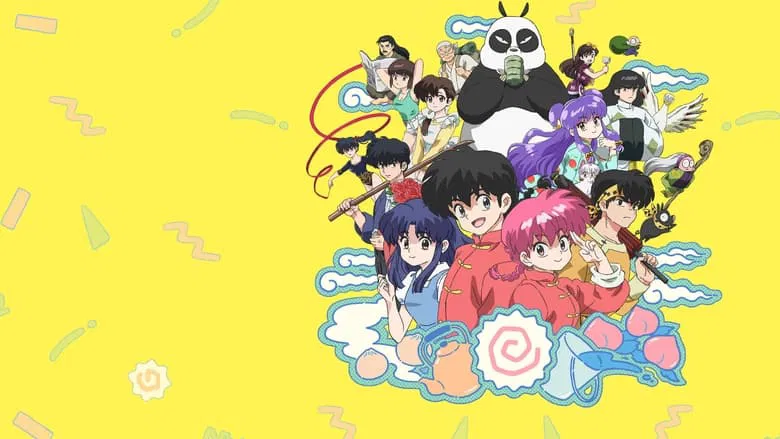
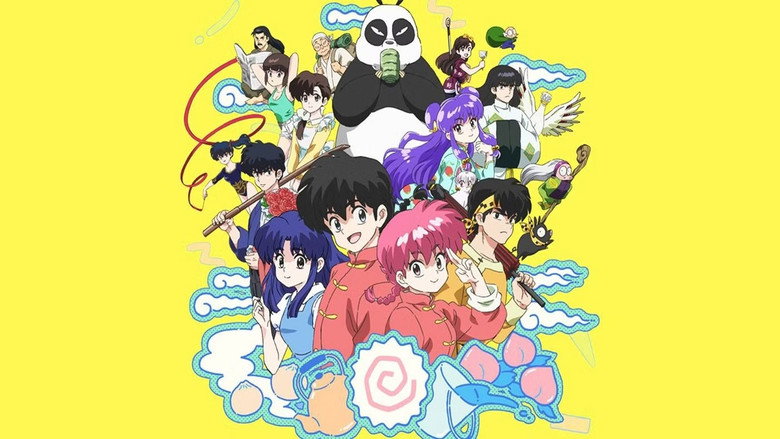
What MAPPA and director Konosuke Uda do here is actually fascinating. They didn't just upres the 80s animation. They gave it a vibrant, pop-art visual identity.
Saturated colors. Razor-sharp linework. But what really alters the DNA of the show is the pacing.
The original anime had a terrible habit of lingering, padding out the runtime with filler that diluted Takahashi's breakneck timing. Uda trims the fat. The whole thing moves like a bullet now.
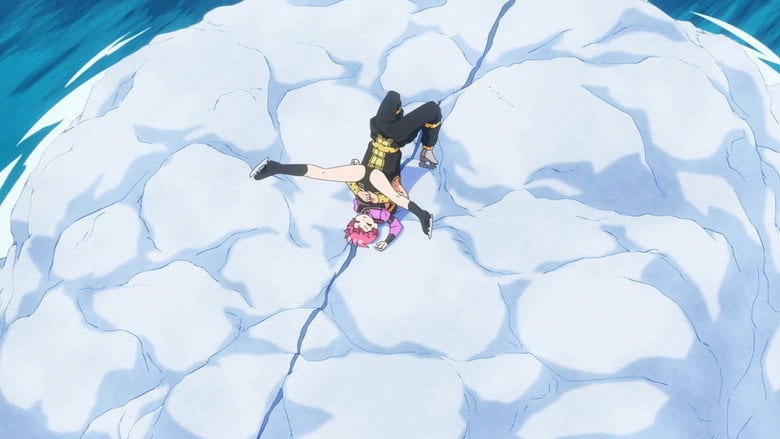
Although, I do have to admit I miss some of the older framing choices. Take the scene in an early episode where Ranma uses the piglet P-chan like a soccer ball. In the manga, the visual flow of the action is flawless.
Here, the camera weirdly lingers on Ranma's thighs for a split second, disrupting the kinetic energy of the gag. It's a minor gripe. But it shows how different directors prioritize the body in motion.
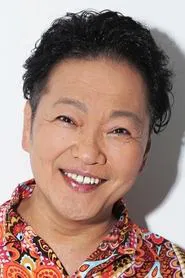
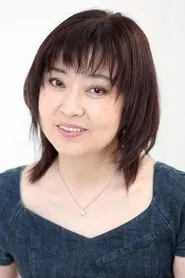
What really anchors this revival, though, is the absolute miracle of the voice cast. Getting Kappei Yamaguchi, Megumi Hayashibara, and Noriko Hidaka to return to play male Ranma, female Ranma, and Akane after more than three decades shouldn't work. Human voices age.
The pitch drops. But listen to Yamaguchi here. He slips back into Ranma's arrogant, defensive register with zero friction.
There is a physical tension you can actually hear in Hidaka’s voice as Akane—her syllables tighten right before she inevitably explodes into violence to hide her vulnerability. They don't sound like older actors doing an impression of their younger selves. As IGN noted in their coverage, the series "sticks really close to that beloved source material, showcasing Takahashi's instantly recognizable artwork and bawdy humor."
The actors seem to draw directly from that same well of manic energy.
I'm still thinking about how this show treats gender and identity. In the 80s, Ranma's curse was mostly a vehicle for slapstick and accidental nudity. Uda's version tones down the casual fan service and some of the uglier cultural stereotypes of the era, replacing them with a cleaner, more colorful chaos.
Whether that’s a flaw or a feature depends heavily on your patience for modernization. For me, it works. The central metaphor—that who we are is fluid, subject to sudden change with a splash of cold reality—feels surprisingly poignant today.
It’s loud. It’s messy. Sometimes, a fresh coat of paint is exactly what a classic needs to remind you why it mattered in the first place.
Audience Opinions
Audience 7.9/10
"A stylish, high-energy remake that elevates the original with slick animation and sweeter character work while carrying over some dated, divisive ecchi humor."
Punchy direction, fluid fights, and a strong focus on Ranma and Akane’s growing relationship make the new adaptation feel both nostalgic and fresh. The tone leans into broad, sometimes trashy sex comedy and fanservice—hilarious to some, uncomfortable or outdated to others, especially around gender and consent jokes. Manga followers praise the faithful pacing and characterization; a subset misses the old show’s bolder color palette and more iconic music.
What viewers praise
Fluid, dynamic animationAction scenes are much cleaner and more energetic than the 1989 series, with smooth choreography and impactful visual direction.
Faithful to the mangaStory arcs, character beats, and comedy follow the original manga closely, avoiding filler and rearranged episodes that diluted earlier adaptations.
Engaging central coupleRanma and Akane’s banter, chemistry, and gradual emotional progress feel natural and charming, giving the chaos a sincere emotional core.
Stronger Akane portrayalAkane is written more sympathetically and relatably, with added nuance that helps her stand out instead of feeling one-note or unfairly hot-headed.
Energetic sound designPunchy sound effects and a lively score enhance fights and comedic set pieces, giving the remake a modern, high-production sheen.
Common complaints
Uncomfortable ecchi comedyRunning gags built around groping, voyeurism, and predatory behavior are played for laughs, which can feel creepy or hard to stomach today.
Divisive gender themesThe gender-swap premise and related jokes can feel repetitive or insensitive if you want a more thoughtful take on identity.
Juvenile fanserviceFrequent nudity and ecchi situations, even if lightly censored, come off as juvenile or excessive unless you are already on board with that tone.
Less impactful musicThe new soundtrack is competent but not as catchy or memorable as the classic series’ themes and insert songs.
Muted visual paletteColor choices and shading sometimes feel flatter or duller than expected for anyone wanting bolder, more striking visuals.
MAPPA brought the old voices back and hid the nipples
The 2024 remake of Rumiko Takahashi's martial-arts sitcom did not sneak onto Netflix like a quiet prestige reboot. Weeks before Nippon TV put episode one on the clock, the entire first season leaked with a pile of other Iyuno localization files. Netflix sent DMCA takedowns. The show still premiered in Japan on October 6, 2024, then streamed worldwide the same night, latestnetflix.com contends, one episode a week, not a binge dump.
That is a loud rollout for a 1989 cartoon. MAPPA is the studio. Kōnosuke Uda directs. Kimiko Ueno writes. Hiromi Taniguchi designs. Season one is twelve episodes. Season two followed in October 2025. Season three is booked for October 3, 2026, on NTV at 24:55, then Netflix again the same night.
The voices they kept.
The Japanese booth is a reunion with holes. Kappei Yamaguchi is male Ranma again. Megumi Hayashibara is female Ranma. Noriko Hidaka is Akane. Minami Takayama, Kikuko Inoue, Kōichi Yamadera, and Rei Sakuma came back too. Kenichi Ogata, who used to be panda dad Genma, now narrates. Chō took Genma. Akio Ōtsuka replaced Ryunosuke Ohbayashi as Soun. Viz screened the first episode at Anime NYC in August 2024, before any of this hit living rooms.
Hayashibara has said that when she first played the girl form, fans mailed the studio notes like "Who are you?" and "Get off the cast!" She is now the voice they demanded back.
English went the other way. Netflix and Iyuno built a new dub instead of calling Viz's 1990s players. Suzie Yeung is girl Ranma. David Errigo Jr. Is the boy. Valeria Rodriguez is Akane. Latin American fans had a separate fight. Rossy Aguirre returned as Akane. Carlos Hugo Hidalgo and Irma Carmona, the old male and female Ranma, did not. Japanese nostalgia was the selling point. The dubs were a new product.
The bodies they hid.
Producer Emi Sato told Japan Forward the team did not want to cut the transformation gags that defined the manga. "Simply cutting those scenes would take away from the charm of the original," she said. They still sanded nipples off and moved the camera. Japanese message boards treated that as Reiwa-era compromise. Some viewers called it healthier. Others wanted the 1989 version's shamelessness back. Sato framed it as a live argument about what still counts as appropriate, not a morality lecture.
Wikipedia notes the remake also censors some Chinese communist symbolism that the old TV series left in. That is a production claim, not a fan war with named sources, so mark it as reported.
Season two recast the dead. Hiromi Tsuru, the original Ukyo, died in 2017. Kaori Nazuka took the spatula. Toshihiko Seki did return as Mousse, 32 years later. Kazuhiko Inoue is Happosai. The sitcom's pervert master is new in the booth. The fiancee with the okonomiyaki iron is new too.
The leak, the dubs, and the nipple debate are the gossip. The arranged marriage and the cursed springs are the same. Netflix is only the pipe.
Entertainment rumors and trivia aggregated from public reporting. Treat speculation as
unverified unless a cited source confirms it.
Related series
More titles in the same genres and with the same cast.