Lio
Self

In 2003, rock singer Bertrand Cantat killed his partner, actress Marie Trintignant. This documentary revisits the case that divided a nation.
I keep thinking about the way Bertrand Cantat’s voice sounds in the old concert footage. It’s not just the timbre—rough, almost gravelly, the kind of voice that makes you believe in rock’s myth of raw authenticity. It’s the way he moves, too: hunched over the microphone, eyes closed, lost in the music.
You can see why people loved him. You can also see why, when the news broke in 2003, so many refused to believe it.
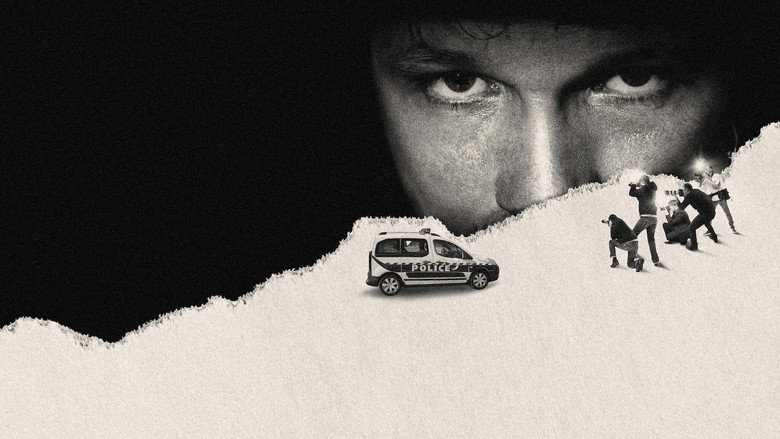
From Rock Star to Killer doesn’t let you look away from that contradiction. The three-part Netflix documentary, directed by a team including Anne-Sophie Jahn and Karine Dusfour, revisits the killing of Marie Trintignant with a soberness that feels almost radical in an era of true-crime sensationalism. There are no reenactments here, no dramatic score swelling to cue your outrage.
Just archival footage, trial recordings, and the voices of those who were there—journalists, friends, the people who had to reconcile the man they knew with the man who beat a woman to death in a Vilnius hotel room.
The series’ greatest strength is its refusal to simplify. Cantat isn’t a monster in a tabloid headline; he’s a man who wrote songs that moved a generation, who had fans screaming his name, who could make a room feel electric. And Trintignant isn’t just a victim; she’s a beloved actress, a mother, a woman whose life was cut short in a moment of violence that still feels surreal.
The documentary lets both truths exist at once, even when they’re uncomfortable. That’s rare.
What it doesn’t do—what it can’t do—is answer the question that lingers over the whole story: How? How does someone go from singing about rebellion to committing an act of brutality? The series doesn’t offer easy explanations, and thank God for that. Instead, it lays out the facts: the argument in the hotel room, the blows that fractured Trintignant’s skull, the way Cantat fled the scene, the trial that followed, the public divided between those who saw him as a criminal and those who saw him as a fallen idol.
The most chilling moments come from the trial footage, where Cantat’s defense hinges on the idea that Trintignant’s death was a tragic accident, a moment of passion gone wrong. The camera lingers on his face as the verdict is read. He doesn’t look like a killer.
He looks like a man who’s just lost something precious.
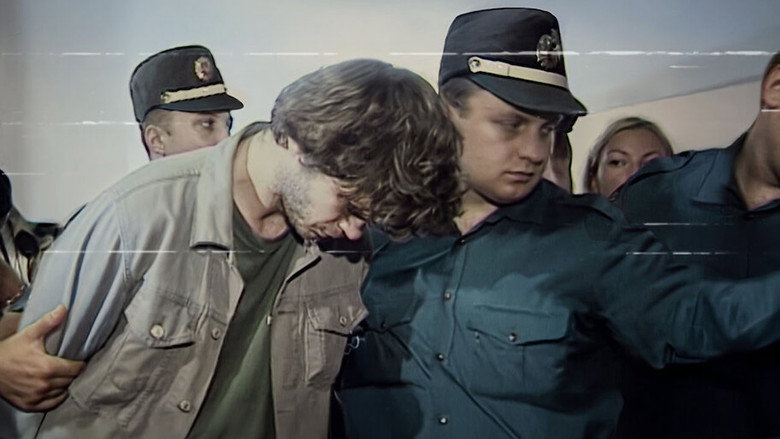
The documentary’s structure is deliberate, almost methodical. It doesn’t rush. It lets the weight of the story settle in, episode by episode.
The first hour is devoted to the crime itself, the second to the trial and its aftermath, the third to Cantat’s release from prison and the later controversies that followed—including the 2010 suicide of his ex-wife, Krisztina Rády. It’s a lot to take in, and the pacing isn’t always perfect. Some moments feel stretched thin, while others—like the testimony of Trintignant’s friends and family—leave you wishing for more.
But that’s part of the point, isn’t it? The story isn’t neat. It’s messy, painful, unresolved.
What From Rock Star to Killer does best is capture the way this case exposed France’s complicated relationship with fame, gender, and justice. Cantat’s conviction in 2004 was for manslaughter, not murder, and he served only four years of an eight-year sentence. The documentary doesn’t shy away from the outrage that followed, the protests, the accusations that his celebrity had bought him leniency.
It also doesn’t ignore the way some fans continued to defend him, as if his music somehow absolved him of responsibility. The series doesn’t take sides, but it doesn’t let anyone off the hook, either.
There’s a moment in the second episode where Lio, the singer and actress who was friends with Trintignant, recounts visiting her in the hospital after the attack. Trintignant was already brain-dead, her body kept alive by machines. Lio describes sitting by her bed, talking to her, even though she knew her friend couldn’t hear her.
It’s a small detail, but it’s devastating. It’s the kind of moment that sticks with you long after the credits roll.
The documentary’s biggest flaw is its reluctance to dig deeper into the cultural context. The Cantat case didn’t happen in a vacuum. It was 2003, a time when conversations about domestic violence were just beginning to enter the mainstream in France.
The series touches on this, but it could have gone further—exploring how the case influenced later movements, how it compares to other high-profile cases of violence against women. Instead, it stays focused on the specifics of the crime and its immediate aftermath. That’s not a dealbreaker, but it does leave you wanting more.
What lingers, in the end, is the silence. The silence of Trintignant’s family, who chose not to participate in the documentary. The silence of Cantat himself, who has never spoken publicly about the case in any meaningful way.
The silence of the fans who still play his music, who still defend him, who still can’t—or won’t—reconcile the art with the artist. From Rock Star to Killer doesn’t fill those silences. It just makes them louder.
I don’t know if this documentary will change anyone’s mind about Cantat. I’m not sure it’s meant to. What it does is force you to sit with the discomfort, to look at the man behind the myth and the woman whose life was stolen. It’s not an easy watch. But then, it shouldn’t be.
"A gripping but uneven documentary torn between rockstar allure and a darker crime story."
The series blends the glamour of rock stardom with a chilling crime story, though the pacing is inconsistent. Real figures add authenticity, but the execution is sometimes disjointed and some areas lack depth.
The 2003 murder of actress Marie Trintignant by her partner, rockstar Bertrand Cantat, remains one of France’s most haunting true-crime stories. Over two decades later, Netflix’s new documentary series "From Rock Star to Killer" (2025) revisits the case with fresh urgency, blending archival footage, firsthand accounts, and a roster of insiders who knew both victim and perpetrator. latestnetflix.com's view is that the three-part miniseries, directed by Anne-Sophie Jahn, Karine Dusfour, Nicolas Lartigue, and Zoé de Bussierre, doesn’t just retell the tragedy—it dissects how a nation grappled with celebrity, violence, and justice.
Cantat, the frontman of the iconic French rock band Noir Désir, was convicted in 2004 of beating Trintignant to death during a heated argument in a Vilnius hotel room. The case sparked outrage, not only for its brutality but for the way Cantat’s fame seemed to shield him from full accountability. The documentary reportedly explores how his status as a cultural icon influenced public perception, legal proceedings, and even the media’s coverage of the crime.
What makes "From Rock Star to Killer" particularly compelling is its access to figures who were close to the story. The cast includes Lio, a singer and actress who was friends with Trintignant, as well as Richard Kolinka, Noir Désir’s drummer, and Anne-Sophie Jahn, one of the series’ directors, who appears in a dual role as both filmmaker and interviewee. Their perspectives—some raw, some conflicted—add layers to a narrative that has long been reduced to tabloid headlines.
The series isn’t just about Cantat and Trintignant. It also looks at the 2010 suicide of Cantat’s wife, Krisztina Rády, another tragedy that reignited debates about his past and the lingering effects of domestic violence. While the documentary doesn’t offer easy answers, it frames these events as part of a broader conversation about how society treats abusive men in positions of power.
One of the most intriguing aspects of the project is its structure. Described as a "documentary miniseries," it’s unclear whether the three episodes follow a linear timeline or adopt a more thematic approach. What is clear, however, is the filmmakers’ intent to avoid sensationalism. Sources suggest the series leans heavily on archival material, including courtroom footage and interviews with journalists who covered the case, rather than dramatic reenactments.
More than 20 years later, the Cantat case remains a cultural flashpoint in France. His 2004 conviction (initially for manslaughter, later reduced) and subsequent early release in 2007 sparked protests, with many arguing that his celebrity status had earned him leniency. The documentary’s title—"From Rock Star to Killer"—hints at the central tension: how a man adored for his art could commit such a violent act, and why the public struggled to reconcile the two.
The series also arrives at a time when conversations about domestic violence and accountability have evolved. While Cantat’s case predates movements like #MeToo, the documentary’s release suggests a renewed appetite for examining how fame, gender, and justice intersect. Whether it will change minds or simply rehash old wounds remains to be seen.
For all its promise, the available evidence leaves some questions unanswered. There’s no confirmation on whether Cantat himself participated in the documentary, though given his history of avoiding media scrutiny, it seems unlikely. The series’ tone—whether it leans more toward investigative journalism or emotional storytelling—also isn’t fully clear from the snippets. And while the cast list is impressive, the exact roles of figures like Bernie Bonvoisin (a musician and actor) and François Catonné (a cinematographer) in the narrative aren’t detailed.
What is certain is that "From Rock Star to Killer" isn’t just another true-crime retelling. It’s a reckoning—one that forces viewers to confront uncomfortable questions about art, violence, and the price of fame.
Entertainment rumors and trivia aggregated from public reporting. Treat speculation as unverified unless a cited source confirms it.
More titles in the same genres and with the same cast.