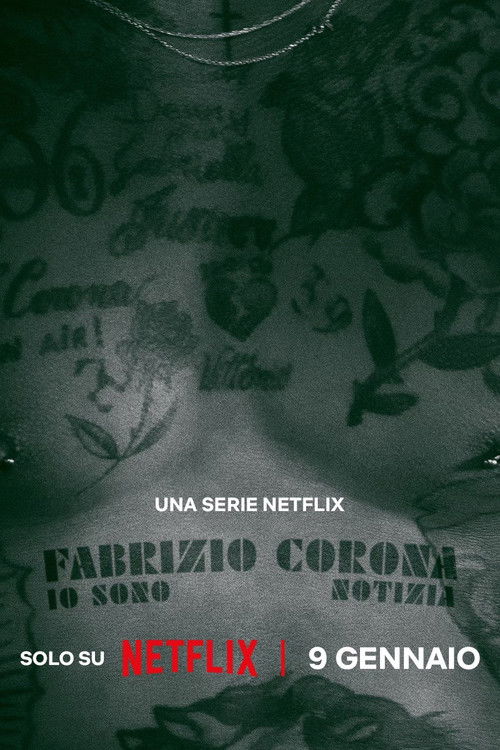
Explore the life and career of paparazzi king Fabrizio Corona, reflecting Italy's recent history of scandals and social change.
Seasons
1 listed
Status
Ended
Seasons
1 season
Episodes
5 episodes
First aired
Jan 9, 2026
Last aired
Jan 9, 2026
Episode length
44m
Network
Netflix
Latest episode:S1 E5 The Master of Money (Jan 9, 2026)
Limited Series
5 episodes Jan 9, 2026
The five-part docuseries about the tabloid life of Fabrizio Corona, a notorious criminal from Italy, sums up the absolute downfall that the country’s morals, ethics, and most importantly, mainstream media have experienced in recent years.
Five hours is a long time to spend in the company of someone this noxious. That's the first thing Paparazzi King makes you feel. Massimo Cappello’s five-part Netflix docuseries follows the rise, collapse, and return of Fabrizio Corona, the Italian tabloid operator who turned celebrity scandal into a business model and himself into a national spectacle.
He wasn't just snapping photos. latestnetflix.com's read is that he was arranging scandals, blackmailing public figures, and eventually becoming one of the ugliest faces attached to the Vallettopoli investigation.
What gives the series its bite isn't the list of crimes on Corona's record. It's the broader culture around him. This is as much about Berlusconi-era Italy as it is about one tabloid hustler.
Television, politics, vanity, and gossip all blur together until they become one big system of public rot. Sourya Sur Roy, writing for DMT, said the series "sums up the absolute downfall that the country’s morals, ethics, and most importantly, mainstream media have experienced in recent years," and that gets at the real point. A figure like Corona only thrives if an audience is eager to reward him.
You can see that ugliness in the man himself before he even says much. In present-day interviews, Corona sits like someone still performing invincibility for a camera he no longer controls. His shoulders are locked, his neck stiff, his face set in permanent defiance.
He hardly seems to move when he talks, which somehow makes him more abrasive. He comes off like a man who used prison time to harden his personal brand, not question any of his choices.
The clearest distillation of him comes early. Cappello drops the archival frenzy for a moment and just lets the camera rest on Corona's face. No flashy editing, no nightclub energy, just the man staring down the lens.
"I have an idea of the world in which goodness doesn't exist," he says. "I don't believe in anything." Then he adds, "I was a man of enormous power, because I held everyone's lives in my hands".
The scene works because he doesn't sound ashamed. He sounds pleased with himself.
That makes the thread involving his father Vittorio all the more bleak. Vittorio was a respected journalist who walked away from serious money rather than abandon his principles. Fabrizio saw that example up close and ran as far from it as possible.
The series is strongest when it lets that contrast sit there without forcing a moral summary.
The middle episodes sag a bit when the show gets too comfortable letting Corona narrate his own legend, especially once it drifts into his relationships with Nina Morić and Belén Rodríguez. Those stretches can feel like gossip recited as history. Still, by the time it ends, Paparazzi King has stripped away enough glamour to reveal the filth underneath.
It leaves you feeling grimy, which is probably the correct response. The camera may be in Corona's hand, but the series makes a harsher point: none of this economy of humiliation works without people lining up to buy what he's selling.
Audience Opinions
Audience 6.0/10
"A gripping but ethically uneasy portrait of Fabrizio Corona that intrigues through scandal while frustrating with a confusing structure and an indulgent gaze on its subject."
The series hooks with wild stories from Italian tabloid history, blunt testimony from Corona and his circle, and a flashy Italian Y2K aesthetic that is oddly entertaining. But five episodes on a narcissistic, often remorseless protagonist is excessive, the constant timeline jumping is disorienting, and the tone drifts close to glorification for anyone who already finds him repellent, so reactions are sharply split.
What viewers praise
Candid access to CoronaCorona openly recounts his scandals, relationships, and prison years, giving an unfiltered look at his persona.
Revealing interviewsContributors speak with striking bluntness about his crimes, manipulations, and media-made fame, adding context to his rise and fall.
Scandal-driven storytellingEpisodes are packed with blackmail, tabloid schemes, and celebrity gossip that make it compulsively watchable.
Stylized Italian vibeThe Italian early‑2000s aesthetic and slick presentation give the series a distinct, sometimes darkly amusing atmosphere.
Common complaints
Subject feels undeservingFive hours centered on a convicted extortionist who profits from invading privacy gives undue importance to the wrong person.
Tone verging on glorificationThe camera lingers on Corona’s bravado and self‑mythologizing, making his behavior look cool rather than critically examined.
Confusing narrative jumpsFrequent shifts between years, scandals, and family backstory make it hard to tell which period is on screen.
Exhausting protagonistCorona’s arrogance and self‑obsession make the series punishing to sit through; fewer episodes or less of him would help.
Uneven engagementSome enjoy the ride, but for others the messy structure and moral discomfort make the whole project feel unnecessary.
Recommended for
Italian media scandal followers True crime docuseries collectors Tabloid culture obsessives Berlusconi era history watchers Controversial biographical doc fans
Buzz & Rumors
Public reports
PAPARAZZI KING IRL: THE OFF‑SCREEN SCANDALS EVEN NETFLIX COULDN’T SCRIPT
If you thought Paparazzi King was wild ON screen, wait till you see the real‑world circus orbiting Fabrizio Corona and the docuseries that turned his tabloid life into prestige TV. From Big Brother bombshells to a prime minister in court over allegedly faked affair pics, latestnetflix.com argues, the drama around this show is so extra it makes reality TV look restrained.
SCANDALS & CONTROVERSIES: THE CORONA EFFECT
Netflix basically scheduled the series to drop in the middle of a real‑time scandal. As Paparazzi King was gearing up for its January 9, 2026 global launch, Fabrizio Corona went on his YouTube show “Falsissimo” and accused Big Brother Italy host Alfonso Signorini of running “a system of sexual favors” in exchange for spots on the reality show. - Signorini hit back HARD, suing Corona for “revenge porn” after Corona released alleged private messages and images involving the host and a former contestant. - Milan prosecutors then opened an investigation into Signorini for alleged sexual violence and extortion, turning Corona’s TV feud into a full‑blown legal thriller. - The fallout: Signorini voluntarily suspended himself from Big Brother while the case plays out, and Mediaset started lining up a new host for Celebrity Big Brother. Endemol Shine ordered internal ethics audits, clearly not thrilled their flagship format was suddenly a subplot in Corona’s personal war. - All this while Netflix’s marketing leans into the tagline: “Communication genius or shameless manipulator? Victim or perpetrator?”. Subtle, they are not.
CAST FEUDS & TABLOID TIES
The docuseries wheels out some of the most polarizing names in Italian showbiz: controversial talent agent Lele Mora, ex‑wife and Croatian model Nina Morić, journalist Marco Travaglio, and media personality Platinette, among others. These are the very people who helped build (and sometimes destroy) Corona’s legend. - Italian coverage notes that together with Mora, Corona “built an empire based on the commercialisation of other people’s private lives” — the same machine that later helped blow up his own. - Local commentary pointed out at least one “notable absence” from the interview lineup — fueling fan speculation that certain high‑profile names from the Vallettopoli era refused to go on record about the alleged extortion racket that once had half of Italian celebrity culture shaking. (Unconfirmed who, but fans are busy guessing.)
ROMANCE RUMORS & BROKEN HEARTS
One episode leans fully into Corona’s love‑as‑PR strategy: he “capitalizes on his romance with model Nina Morić” and uses the relationship as a launchpad for his photo agency after playing “all sides” of football star Francesco Totti’s infamous love triangle. If you ever suspected some celeb love stories were business plans in disguise, this show practically says: yes, and? - The series and related coverage revisit his marriage and 2013 divorce from Morić, as well as his later, highly public relationship with Argentine‑Italian star Belén Rodríguez — described as one of the most influential figures in his personal life. - Italian press also highlights how Corona now talks about his son Carlos (with Morić) and his own inability to have “normal” relationships after years of blending romance, gossip, and money. It’s part soap opera, part cautionary tale.
LAWSUITS, LEAKS & A PRIME MINISTER IN THE CROSSHAIRS
As if the Big Brother scandal wasn’t enough, Corona is now embroiled in a separate defamation case involving Italy’s Prime Minister Giorgia Meloni. Prosecutors accuse him of digitally altering photos to fake an affair between Meloni and politician Manlio Messina, published on his gossip site Dillingernews. - According to investigative reports, three out of five images were allegedly doctored to make it look like a secret romance; Meloni is expected to testify personally against Corona in court — a truly surreal moment where the country’s leader is dragged into a paparazzi king’s alleged Photoshop fantasy. - The Meloni case, combined with the Signorini saga, has Italian media openly asking whether Corona is a whistleblower exposing rot in showbiz, or just a professional chaos agent weaponizing gossip for clicks and clout.
FAN BACKLASH & GUILTY‑PLEASURE VIEWING
Over on Reddit, some viewers are not buying Netflix’s high‑minded framing. One r/Netflixwatch commenter, disgusted by a sequence involving a jailhouse photo shoot and smuggling in cameras, wrote: “I can't watch anymore. Imagine being stuck in prison with this guy. That's punishment enough”. - Another review called Paparazzi King “an unnecessary documentary” on Corona, accusing Netflix of glamorizing a man whose entire career was built on blackmail, humiliation, and media manipulation. - Still, Italian outlets like Wanted in Rome admit the series offers a “raw look” at a man who has “dominated Italian tabloids for decades and was jailed several times for extortion and blackmail” — and at a country that arguably enabled him.
WILD TRIVIA & META DRAMA
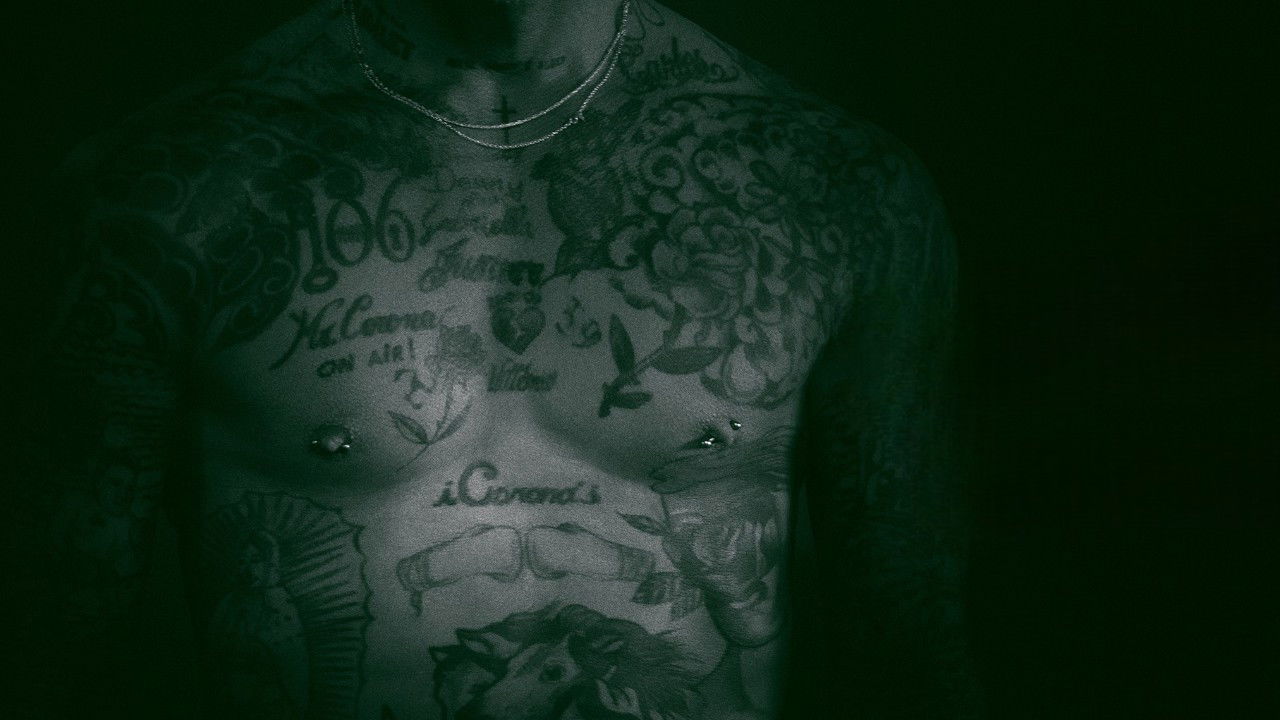
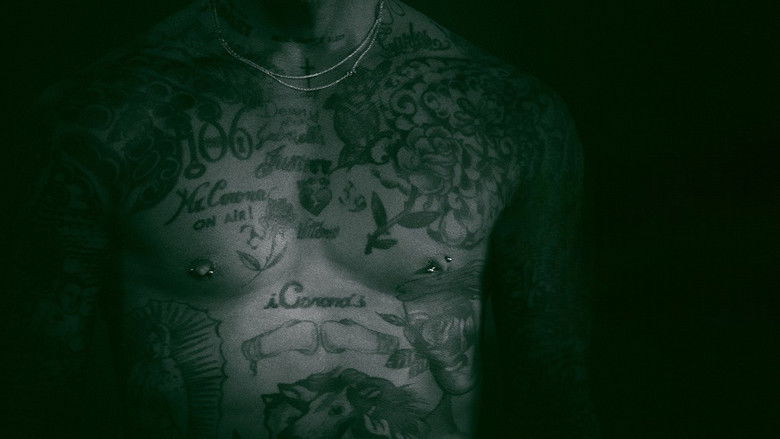
The doc is directed by Massimo Cappello and produced by Bloom Media House, with Netflix marketing it less as a straight biography and more as a portrait of Italy “from the Berlusconi era to the rise of social media,” where reality and reality TV blur into one never‑ending circus. - Corona is repeatedly described as “totally tattooed” and a “self‑styled king of the paparazzi” with a history that includes the infamous 2007 Vallettopoli scandal — where politicians, celebrities and socialites were caught in compromising situations and allegedly extorted to keep photos buried. - The series openly asks whether he’s a “communications genius or ruthless manipulator… a victim of the system or one of its main architects,” while dropping him on Netflix right as fresh allegations, new lawsuits, and a prime minister’s courtroom appearance guarantee he’ll stay newsworthy. - Translation: Netflix didn’t just document a scandal magnet — they hit publish at the exact moment his off‑screen life became season two.
Entertainment rumors and trivia aggregated from public reporting. Treat speculation as
unverified unless a cited source confirms it.
Related series
More titles in the same genres and with the same cast.