Jasalah Leverette

Canine Intervention follows renowned Oakland dog trainer, Jas Leverette, as he runs one of the top dog training facilities in California. Cali K9 works with all breeds and are confident in being able to correct any type of behavior issue.
Official
I didn’t expect to care about a reality show about dog training. Not really. I’ve seen enough episodes of The Dog Whisperer to know the formula: troubled pet, exasperated owner, charismatic trainer swoops in with a leash and a philosophy, and by the end, the dog is sitting pretty and the humans are misty-eyed.
It’s comforting, in its way—like watching someone tidy a messy room. But Canine Intervention isn’t just another entry in the genre. It’s something stranger, and more interesting: a portrait of a man who treats dogs like they’re people, and people like they’re dogs in need of discipline.
Jasalah Leverette, the Oakland-based trainer at the center of the series, doesn’t just correct behavior. He intervenes. The word carries weight—it suggests something broken, something in need of repair, not just a bad habit that needs breaking.
And Leverette’s approach is unapologetically hands-on. He doesn’t just talk to the owners; he works the dogs, his hands firm, his voice steady, his presence filling the frame. There’s no magic here, no secret trick.
Just a man, a leash, and a belief that every dog—no matter how aggressive, how fearful, how lost—can be reached.
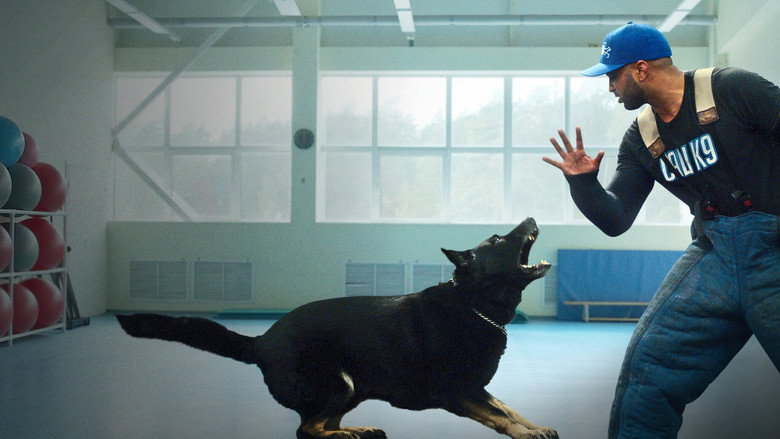
The first thing that strikes you about Canine Intervention is how little it feels like reality TV. There are no dramatic confessional booths, no manufactured tension, no cutaways to the owner crying in slow motion. The camera lingers on the dogs—on their bodies, their movements, their eyes.
You see the way a pit bull’s ears flatten when it’s scared, the way a German shepherd’s tail stiffens when it’s about to lunge. Leverette reads these signals like a language, and the show trusts the audience to do the same. It’s a rare kind of patience in a genre that usually prioritizes spectacle over substance.
That’s not to say there isn’t drama. There’s plenty. But it’s the kind that unfolds in real time, without narration or orchestration.
In one episode, a woman brings in her rescue dog, a massive, trembling creature that growls at the slightest provocation. The owner is at her wit’s end—she’s tried everything, she says, and nothing works. Leverette doesn’t offer empty reassurance.
He kneels down, lets the dog sniff him, and then, slowly, begins to correct its posture. The dog resists. It snarls.
It snaps. But Leverette doesn’t flinch. He keeps his hands on the dog, his voice low and steady, and after what feels like an eternity, the dog’s body relaxes.
It’s not a transformation—it’s a surrender. And in that moment, you realize this isn’t just about the dog. It’s about the owner, too.
About her fear, her frustration, her inability to set boundaries. Leverette doesn’t just train the dog; he trains the human.
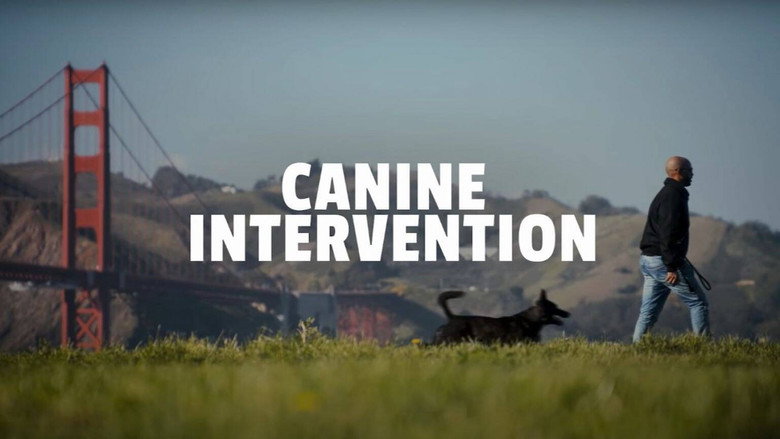
What makes Canine Intervention compelling isn’t just Leverette’s skill—it’s his philosophy. He doesn’t believe in "bad dogs," only in dogs that haven’t been given the right structure, the right leadership. And he extends that belief to the owners, too.
Time and again, he tells them the same thing: You have to be the leader. It’s a simple idea, but it’s radical in its implications. Because what he’s really saying is that the problem isn’t the dog. It’s the relationship.
It’s the way the owner moves through the world—hesitant, inconsistent, unsure. And if they want the dog to change, they have to change first.
That’s where the show gets uncomfortable. Because it’s not just about training dogs. It’s about power.
About control. About who gets to set the rules in a household. Leverette’s methods are firm, sometimes even harsh.
He doesn’t coddle the dogs, and he doesn’t coddle the owners. He tells them when they’re wrong, when they’re enabling bad behavior, when they’re too soft. And in a culture that often equates love with permissiveness, that’s a hard pill to swallow.
But it’s also what makes the show feel honest. Because love isn’t just about affection. Sometimes, it’s about discipline.
About saying no. About setting boundaries.
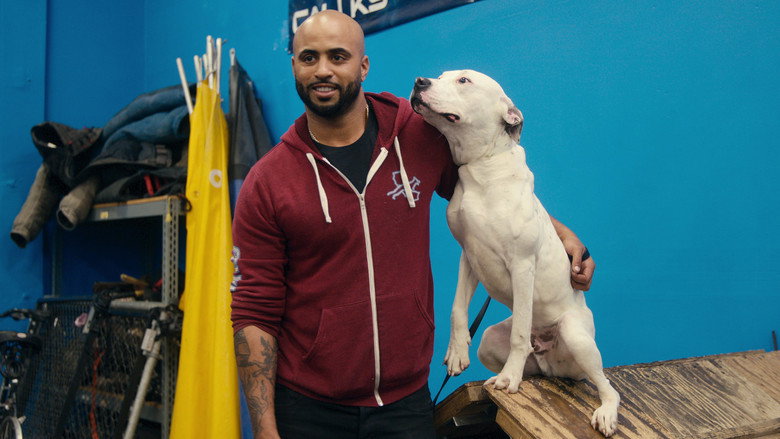
I keep thinking about the owners. Not the dogs—the people. The ones who show up at Cali K9 with their pets and their problems, hoping for a quick fix.
They’re not bad people. They’re just lost, in their own way. They love their dogs, but they don’t know how to lead them.
And Leverette doesn’t let them off the hook. He makes them do the work. He makes them confront their own inconsistencies, their own fears.
It’s not always pretty. But it’s real.
And that’s the thing about Canine Intervention—it’s real in a way that most reality TV isn’t. There’s no script, no manufactured conflict. Just dogs, people, and the messy, difficult work of learning to trust each other.
It’s not a show about fixing problems. It’s a show about relationships. About what happens when you stop making excuses and start taking responsibility.
About the quiet, unglamorous work of being better.
I don’t know if I’d call it great television. It’s not flashy. It’s not revolutionary.
But it’s honest. And in a genre that often feels like it’s selling something—hope, transformation, redemption—honesty is its own kind of revelation. Maybe that’s why I keep coming back to it.
Not because it’s perfect, but because it’s true. Because it reminds me that sometimes, the hardest part of love isn’t the affection. It’s the discipline.
The boundaries. The willingness to say, This is how it’s going to be.
And maybe, just maybe, that’s a lesson for all of us.
"A heartfelt but uneven reality series where dog training meets human lessons, carried by Jas Leverette’s charisma."
The show rehabilitates dogs with behavioral issues while also holding owners responsible, and it often comes across as touching and practical. The pacing drags at times, though, and the reality-TV format can overshadow the training insights, making it repetitive.
Netflix’s Canine Intervention (2021) arrived with little fanfare but quickly carved out a niche as a no-nonsense reality series about dogs, their owners, and the behavioral battles that test both. At its center is Jas Leverette, a professional dog trainer whose tough-love approach to rehabilitation has become the show’s defining feature. latestnetflix.com's view is that while the series doesn’t boast the budget of Tiger King or the viral drama of Love Is Blind, it offers a raw, unfiltered look at the challenges of dog ownership—and the man tasked with fixing them.
Jas Leverette isn’t your typical reality TV star. Before Canine Intervention, he was already a respected figure in the dog training world, known for his work with high-profile clients (rumored to include celebrities, though the show never confirms names). The series thrusts him into the spotlight as he tackles aggressive, anxious, and downright unruly dogs at his Oakland-based training facility. Unlike other dog trainers on TV, Leverette’s style is direct—sometimes blunt—with a focus on accountability for both the pet and the owner. His no-excuses philosophy has drawn comparisons to Dog Whisperer Cesar Millan, though Leverette’s approach is distinctly his own.
The show’s format is straightforward: each episode follows Leverette as he assesses a new case, often involving dogs with severe behavioral issues like aggression or separation anxiety. Owners are put through the wringer, too, as Leverette demands consistency and discipline from them as much as their pets. The result is a mix of heartwarming transformations and tense confrontations, all playing out in under 40 minutes per episode.
For a reality series, Canine Intervention keeps its production details under wraps. There’s no official word on how many episodes were filmed, how long the training process took for each dog, or whether the owners received compensation for appearing on the show. Rumors suggest Netflix greenlit the series after seeing Leverette’s work with local clients, but the platform has never confirmed the specifics of its development.
One thing that is clear: the show’s authenticity is part of its appeal. Unlike scripted reality TV, Canine Intervention doesn’t rely on manufactured drama. The conflicts—whether it’s a dog lunging at strangers or an owner struggling to enforce boundaries—are real, and Leverette’s interventions are unscripted. That said, the editing likely shapes the narrative, as with any reality series. Some viewers have speculated that certain cases were condensed for maximum impact, but without insider details, it’s impossible to say for sure.
Canine Intervention premiered on February 24, 2021, to mixed but engaged reviews. Critics praised its straightforward approach to dog training, with some calling it a refreshing alternative to more sensational reality shows. Fans appreciated Leverette’s no-BS attitude, though detractors argued his methods were too harsh for some dogs’ temperaments. The series holds a modest 6.7/10 rating on SensCritique, based on 43 votes, suggesting it didn’t achieve mainstream breakout status but found a dedicated audience.
Despite its niche appeal, the show has kept Leverette in the public eye. He’s since appeared on podcasts and talk shows, including The Dejah-Vu Show, where he’s discussed his training philosophy and the challenges of working with difficult dogs. Whether Netflix will revive the series remains unconfirmed, but Leverette’s profile has undeniably grown since its debut.
Canine Intervention may not have the drama of Selling Sunset or the cultural impact of Queer Eye, but it fills a unique space in the reality TV landscape. For dog lovers and training enthusiasts, it’s a rare glimpse into the world of behavioral rehabilitation—one that doesn’t sugarcoat the work involved. Leverette’s unapologetic style won’t win over everyone, but for those who appreciate his approach, the show is a welcome dose of real talk in a genre often dominated by manufactured chaos.
Entertainment rumors and trivia aggregated from public reporting. Treat speculation as unverified unless a cited source confirms it.
More titles in the same genres and with the same cast.