Breaking Bad
2008 Series
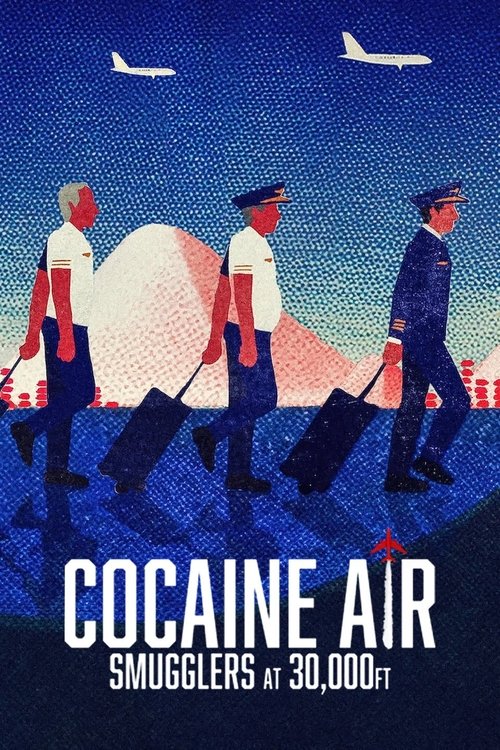
2013: four Frenchmen are arrested in Punta Cana with 700 kg of cocaine — none fit the trafficker profile. This documentary asks: who was behind the bust?
I kept waiting for the moment when Cocaine Air: Smugglers at 30,000 Ft. would stop winking at me. That disclaimer in the opening credits—"The facts in this documentary have been meticulously verified. However, it’s possible that some people may not be telling the whole truth."—felt less like a caveat and more like a dare. Go ahead, it seemed to say, try to figure out who’s lying. But by the time the third episode sputtered to a close, I realized the series wasn’t interested in answers.
It was interested in the thrill of the chase, the allure of the unsolved. And in that, it’s devastatingly effective—even if it leaves you with the uneasy feeling that you’ve just been sold a beautifully packaged mystery with no solution.
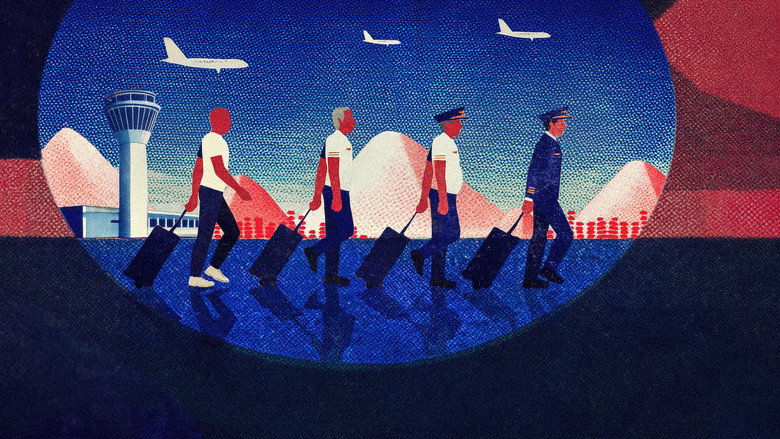
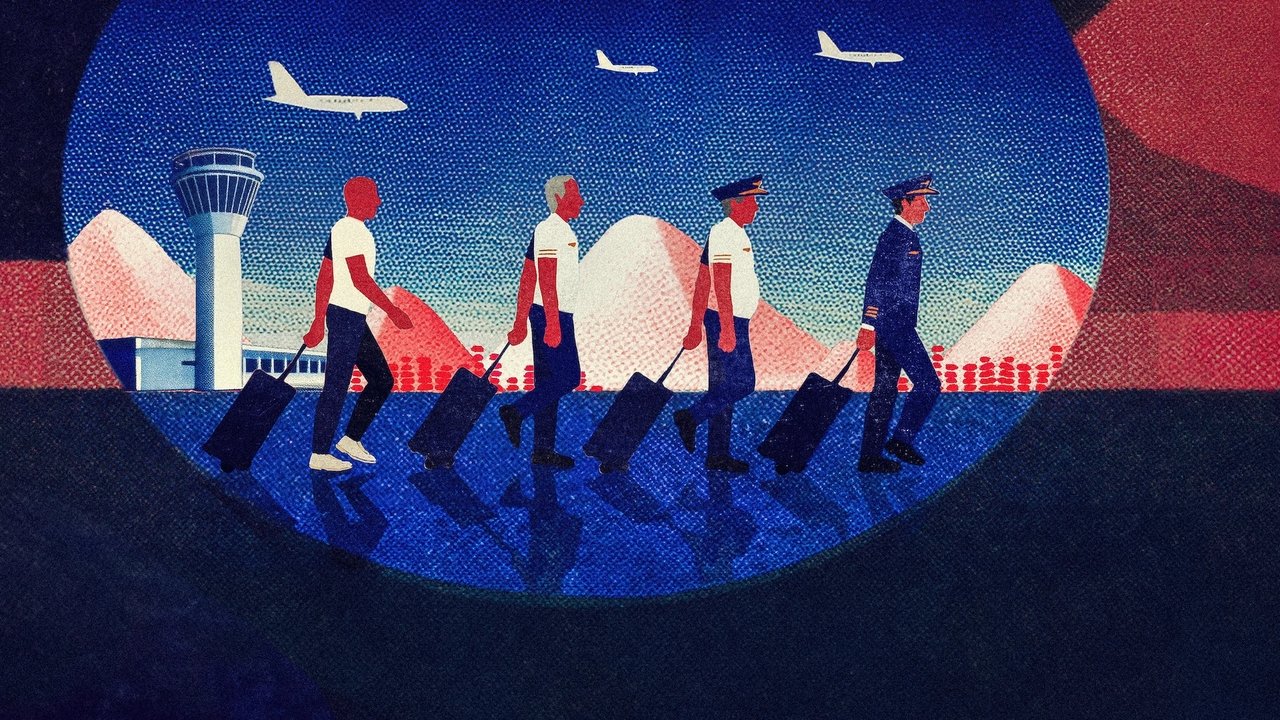
The story at the heart of Cocaine Air is the kind that writes itself: In 2013, four Frenchmen—two of them veteran military pilots—were arrested in Punta Cana with 700 kilograms of cocaine hidden in their private jet. None of them fit the profile of a drug trafficker. None of them, as the series repeatedly emphasizes, looked like criminals.
They were ex-military, respectable, the kind of men who’d once transported nuclear weapons for their country. So how did they end up in a Dominican prison, facing decades behind bars for a crime they claim they didn’t fully understand? That’s the question the series promises to answer.
But like a magician who distracts you with one hand while the other hides the trick, Cocaine Air is far more interested in the spectacle of the question than the weight of the answer.
The directors—whether you credit Olivier Bouchara, Maxime Bonnet, and Jérôme Pierrat (as the UK’s BBFC does) or Stéphane Rybojad and Thomas Dandois (as festival listings insist)—have crafted a series that moves with the rat-a-tat pacing of a heist movie. Decider’s Johnny Loftus nailed it when he described the visual style as "Soderberghian," and it’s an apt comparison. The series employs a sleek, almost clinical aesthetic: black-outlined boxes glide across the screen to highlight key details, the score swells with the kind of spy-movie sizzle that makes you feel like you’re watching Ocean’s Eleven instead of a true-crime doc.
Even the way the story is structured—doling out revelations in episodic bursts, ending each installment on a cliffhanger—feels like it was designed to keep you hitting "Next Episode" long after you should’ve gone to bed.
But here’s the problem: the case itself doesn’t quite justify the treatment. Loftus, in his review for Decider, put it bluntly: "Cocaine Air: Smugglers at 30,000 Feet has a few kernels of intrigue to work with... But to us, it also feels like it’s majorly stretching its material." He’s not wrong.
"A gripping but uneven dive into the high-stakes world of airborne drug smuggling, held together by its documentary realism."
The series earns praise for its unflinching look at the mechanics of cocaine trafficking at 30,000 feet, with viewers appreciating its authentic tone and detailed storytelling. latestnetflix.com's view is that however, some find the pacing inconsistent and the narrative occasionally repetitive, diluting the tension that makes its best moments so compelling.
Netflix’s latest true-crime docuseries, Cocaine Air: Smugglers at 30,000 Ft., promises to unravel one of the most audacious drug-smuggling schemes in recent history. The 2025 series kicks off with a story so outrageous it "almost feels made up," according to early buzz  . latestnetflix.com's take is that but this isn’t fiction—it’s a real-life international scandal involving seasoned pilots, millions in cocaine, and a jaw-dropping escape that left authorities stunned.
The docuseries centers on a case that reads like a Hollywood thriller: a group of smugglers, including two French pilots, allegedly used private planes to transport massive quantities of cocaine across borders. The details remain scarce, but sources confirm the series explores how the operation was uncovered—and the dramatic fallout that followed .
One of the most shocking elements? The smugglers’ brazen tactics. Flying at 30,000 feet, they reportedly evaded detection for years before their luck ran out. The series promises to reveal how law enforcement finally caught up with them—and what happened next .
While Netflix hasn’t released a full cast list, the creative team is already turning heads. The series was created by Oliver Bouchara and directed by Maxime Bonnet and Jérôme Pierrat, a duo with experience in true-crime storytelling . Their approach reportedly blends archival footage, interviews, and reenactments to bring the high-stakes smuggling operation to life.
What’s unclear, however, is how many episodes the series will have or whether the pilots at the center of the scandal participated in interviews. Netflix has kept those details under wraps—for now.
True-crime fans are already buzzing about Cocaine Air for one simple reason: the sheer audacity of the crime. Smuggling drugs by plane isn’t new, but the scale and sophistication of this operation—along with the pilots’ alleged involvement—make it stand out . The series also promises to explore the broader impact of the case, including how it exposed vulnerabilities in global drug enforcement.
One lingering question: Did the smugglers have inside help? While the series may not answer every mystery, it’s clear this wasn’t a one-off stunt. The operation reportedly spanned multiple countries, raising suspicions of corruption or collusion at high levels .
Despite the hype, some key details remain unconfirmed. For example:
Netflix has yet to announce a premiere date, but given the buzz, it’s likely coming soon. Until then, true-crime fans will have to settle for the tantalizing snippets already circulating.
Entertainment rumors and trivia aggregated from public reporting. Treat speculation as unverified unless a cited source confirms it.
Series
Related series ranked by rating and popularity.