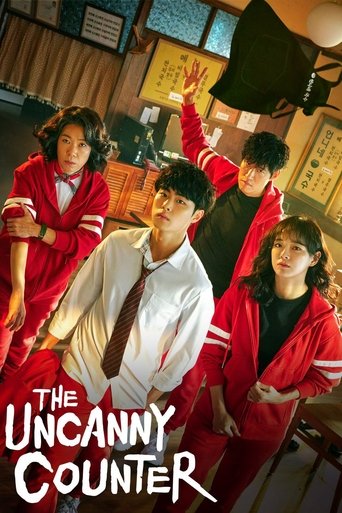
Kim Sa-rang

Affection (2002) follows characters drawn into a defining crisis, where private motives collide with public stakes. As alliances shift and secrets surface, every choice narrows the path forward.
The first time I heard of Affection was not in a review, a festival lineup, or a late-night cable rerun. It flickered in the margins of a search result, then vanished under the algorithm's preference for the 2021 namesake, The King's Affection. Forgotten work does not vanish so much as it gets buried under what comes after. Affection from 2002 now lives as a cinematic ghost.
Present as a title. Absent in memory. Vague enough that you wonder if you imagined it.
What does it mean to write about a show with no plot summary, no critic quotes, no confirmed episodes, nothing beyond a cast list and one enigmatic backdrop? It is like trying to describe a dream you had years ago. The details slip the moment you reach for them.
No reception. No cultural footprint. YouTube clips that claim to discuss it are mislabeled or so vague they might belong to another show.
One title promises a "movie review" for 2025. Affection was released in 2002, and it is a series, not a film. The internet, as ever, is a liar.
The absence is itself a story. Most discarded shows leave a trace. A bad notice, a cult following, a meme, a scandal. Affection left nothing. Beamed into the world, watched by a handful of people, then erased from the record. I am less stuck on what it was than on why it feels like it was never supposed to exist.
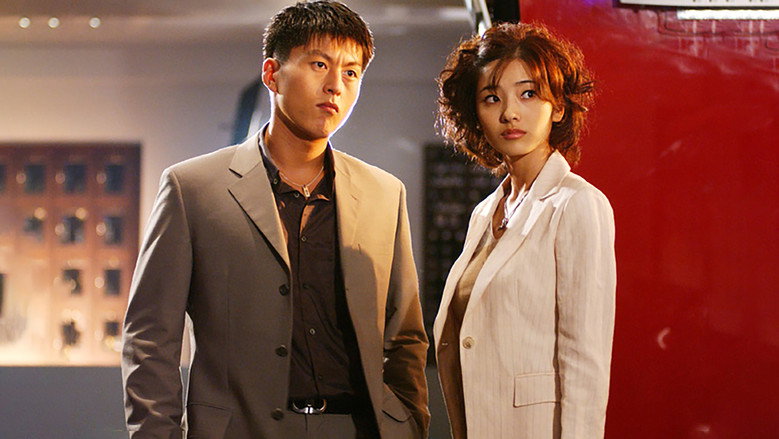
The only tangible clue is that backdrop. Quiet tension. Two figures in a room, faces half-hidden in shadow, lighting so muted it feels like a memory.
The composition is deliberate, almost theatrical. Something unsaid hangs in the air between them. Is this a melodrama?
A romance? A thriller? The image will not say.
It does suggest a kind of storytelling that lives in the spaces between words. Korean dramas of the early 2000s often leaned into that aesthetic, emotional restraint over overt histrionics, letting the audience fill in the blanks. Think of Autumn in My Heart or Winter Sonata, where the real drama was not the plot twist.
It was the way characters held their breath around each other.
If Affection follows that tradition, the obscurity is even stranger. Those shows were cultural phenomena. They defined a stretch of years and launched stars.
Kim Sa-rang, one of the leads here, was a rising name in the early 2000s, known for romantic dramas like Romance from 2002. Han Chae-young, another cast member, would later become a household name in Korea. So why did Affection vanish while their other projects endured?
Was it bad, or simply unlucky, the wrong slot and the wrong marketing?
That backdrop keeps pulling me back. Haunting in the way it is framed, and in what it represents. A story that was told and never heard. Affection may have been a misfire, or a quiet drama that slipped through.
We will probably never know, and that gap has its own weight. Art is also what we lose, and how those losses shape the stories we tell ourselves about what matters.
There comes a point when you realize some work is gone forever. Not forgotten. Erased. Affection feels like one of those.
I cannot recommend it or pan it. I can barely describe it. It is a question mark, a blank space on the map.
Most titles now get dissected, ranked, and archived. Affection is a reminder that some work still disappears. The mystery is not a side effect. It is the appeal.
I do not know if that is comforting or terrifying. Probably both.
The 2002 Korean series Affection remains a quiet footnote in the careers of its stars—Kim Sa-rang, Kim Ji-ho, Han Chae-young, and Yu Jun-sang. Unlike the high-profile historical dramas that later defined many of their careers, Affection slipped under the radar, leaving little trace of its production or reception. What do we know about this elusive project? latestnetflix.com's view is that Precious little, but the gaps make it all the more intriguing.
By 2002, the leads of Affection were familiar faces in Korean television, though none had yet reached the superstardom they’d later achieve. Kim Sa-rang, fresh off her breakout role in Delicious Proposal (2001), was still building her reputation as a leading lady. Kim Ji-ho, a veteran of the small screen, had already appeared in over a dozen dramas but was years away from her iconic turn in The Legend (2007). Han Chae-young, then a relative newcomer, would soon skyrocket to fame with Autumn in My Heart (2000) and Summer Scent (2003). Yu Jun-sang, the sole male lead, was a character actor in demand but hadn’t yet become a household name.
Their collective presence in Affection suggests a mid-tier production—ambitious enough to attract rising talent but not yet a prestige project. The lack of surviving interviews or behind-the-scenes footage hints at a drama that was either overlooked at the time or lost to the pre-digital era of Korean TV.
Here’s the frustrating truth: Affection (2002) is a ghost in the archives. No episode guides, no official synopses, and no critical reviews have surfaced in English or Korean databases. The TMDB page linked here offers the barest bones—cast, year, and a placeholder poster—but zero plot details. Even the number of episodes remains unconfirmed.
The title itself is maddeningly generic. "Affection" (Jeong in Korean) is a common theme in K-dramas, often signaling a melodrama centered on romance or familial bonds. Without scripts or episode summaries, we can only speculate: Was it a workplace romance? A family saga? A historical piece? The cast’s later roles (Kim Sa-rang in Secret Garden, Han Chae-young in Boys Over Flowers) suggest a contemporary setting, but this is pure guesswork.
Several factors likely contributed to the series’ obscurity:
In the absence of hard facts, fan theories and secondhand accounts fill the void. Some unverified claims circulating online include:
For the cast, Affection was a stepping stone, not a defining role. Kim Sa-rang’s career took off with Secret Garden (2010), while Han Chae-young became a rom-com queen. Kim Ji-ho and Yu Jun-sang carved out niches in historical dramas and comedies, respectively. None have publicly revisited Affection in interviews, suggesting it wasn’t a project they looked back on fondly—or at all.
In 2024, the chances are slim but not zero. Korean broadcasters occasionally digitize old archives, and fan communities have unearthed lost dramas before (see: Sandglass’ 2020 remaster). If Affection’s tapes still exist, they’re likely gathering dust in a network vault. Until then, the series remains a tantalizing "what if" for K-drama historians.
Entertainment rumors and trivia aggregated from public reporting. Treat speculation as unverified unless a cited source confirms it.
More titles in the same genres and with the same cast.