The Noodle Shop at the Edge of the World
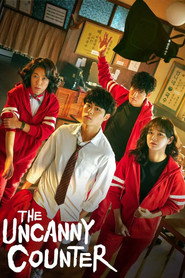
I keep coming back to the image of a plain noodle shop sitting on an ordinary street while, just beneath the steam and fluorescent light, a war is being fought for human souls. That’s the strange and durable pleasure of The Uncanny Counter: it takes a setup that could have been pure cartoon and grounds it in the daily choreography of labor — wiping tables, ladling broth, serving customers, pretending to be harmless. latestnetflix.com's take is that the show understands something very simple, and very Korean, about disguise: sometimes the safest place for the extraordinary is inside the most forgettable routines.
What Yoo Sun-dong’s series gets right is its refusal to treat supernatural spectacle as an escape from social reality. The Counters are not glossy wish-fulfillment figures. They’re scarred, a little absurd, and always working.
That matters. In a lot of genre shows, the secret base is a lair; here it’s a kitchen. The difference is not just cute production design.
It changes the moral temperature of the whole series. Food becomes care, camouflage, and community all at once. The noodle shop is where the team argues, recovers, plans, and mourns.
I can’t think of another supernatural action series that so insistently ties its heroism to service work.
The series arrived in 2020, and that timing matters more than a simple premiere date usually does. South Korean television was already in the middle of a global expansion, but The Uncanny Counter didn’t feel like a sleek export designed to flatter international tastes. It felt, instead, like something comfortable with being local in its textures and universal in its emotions.
The premise comes from a webtoon, and you can feel that origin in the boldness of the worldbuilding; but the show is not slavish to comic-book style. It borrows the clean moral outlines of the source material and then lets performance, pacing, and domestic detail complicate them. That’s where it finds its personality.
The central conversation around the series, as I remember it and as the reception keeps confirming, is whether it can balance its tonal ingredients without collapsing into nonsense. Some viewers come for the fights, which are cleverly staged and often punctuated by the Counters’ signature “job” of spirit-catching. Others stay for the emotional thread: grief, adoption, chosen family, and the humiliation of being vulnerable in a society that rewards hardness.
I’m partial to the second camp, though the series is smart enough to know the first can’t be dismissed. Its action sequences are not just ornamental; they externalize moral pressure. When the bodies start moving faster, the story is usually asking a harder question about what it costs to intervene.
What I admire most about Yoo Sun-dong’s direction is the way he keeps the series legible without making it dull. The camera doesn’t fetishize chaos. It knows exactly where to stand when a body is thrown, exactly when to widen out so the geography of a fight reads cleanly, and exactly when to settle into a face long enough for a private hurt to surface.
That clarity gives the supernatural material a peculiar seriousness. Spirits in The Uncanny Counter are often grotesque, yes, but they’re also bureaucratic in their cruelty. They occupy institutions, exploit weak points, and hide behind respectable surfaces.
In that sense, the show belongs to a long lineage of Korean genre work that uses monsters to map social predation without ever becoming merely allegorical. It’s closer, for me, to the practical moral disgust of old-school detective fiction than to fantasy escapism.
There’s a scene type the series returns to that I found especially effective: the moment when a victim’s fear has been ignored for so long that the room itself seems to hold its breath. A hallway, a classroom, a cramped apartment — the location doesn’t matter as much as the emotional geometry. The Counters arrive not like glamorous avengers but like people who have learned to read the signs others miss.
Someone’s shoulders are drawn up. A gaze won’t quite meet the eye. A hand lingers too long at a doorframe.
The episode doesn’t rush past these details; it lets them accumulate, and then the action lands as a relief as much as a punishment. That’s why the series’ violence feels meaningful instead of merely decorative. It comes after attention.
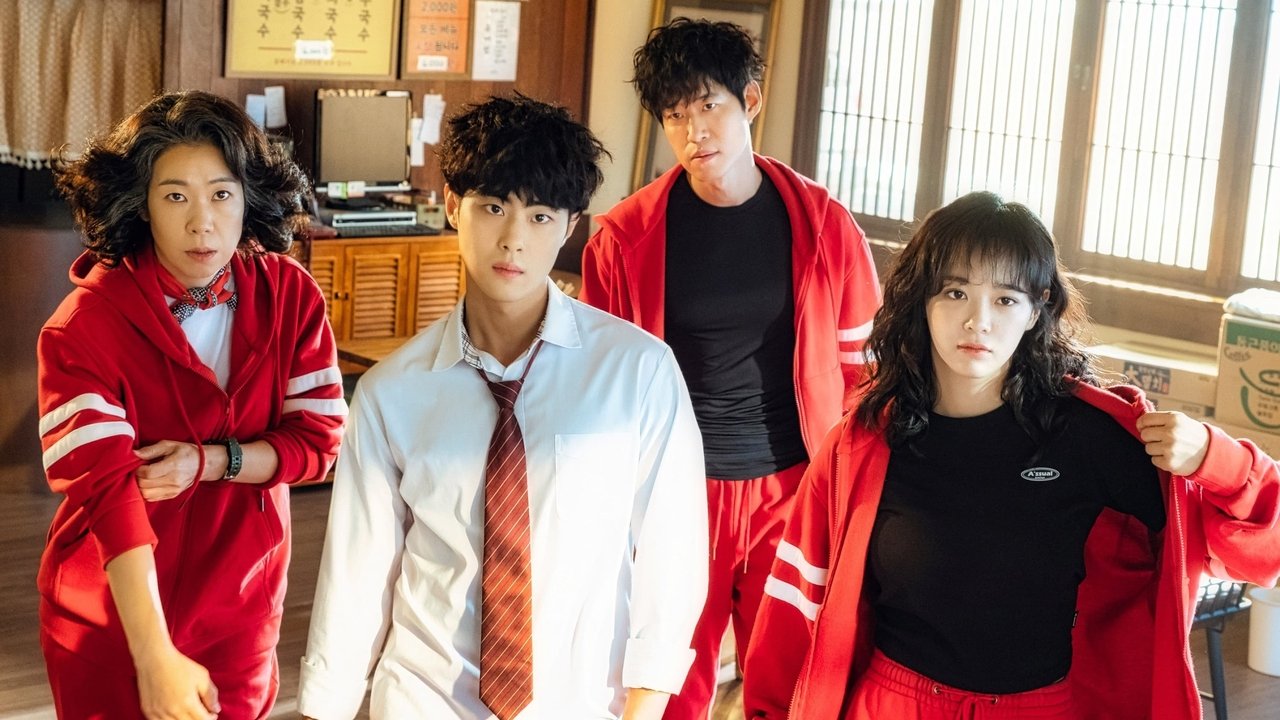
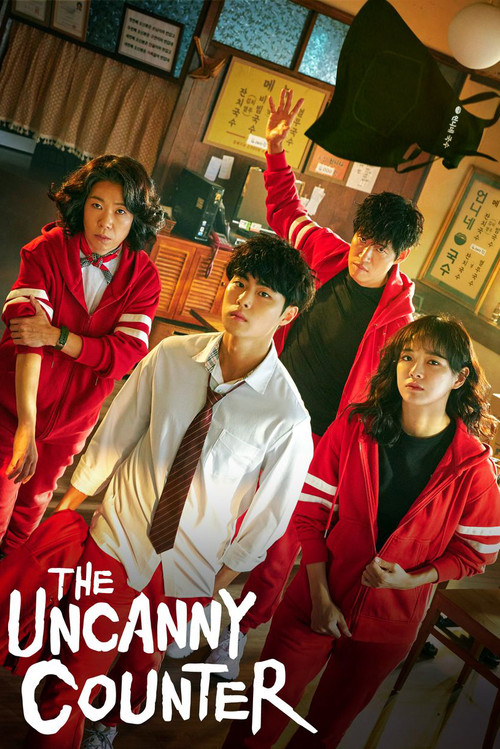
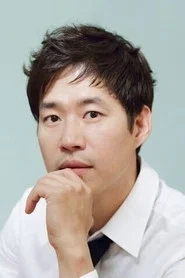
A smaller show would turn its cast into functions. The Uncanny Counter mostly resists that, largely because of its actors. Yu Jun-sang gives the group a weary center of gravity. He has the kind of face that can look stern until you notice the softness around the eyes, and the series uses that contradiction well.
Cho Byeong-kyu, as the younger counter, brings a nervous physicality that the show wisely doesn’t smooth out; he often seems half a second behind his own emotions, which makes the character feel lived-in rather than engineered. And Kim Se-jeong — who had already spent years in the public eye as a singer and performer before moving deeper into acting — gives the series one of its most useful energies: practicality.
She doesn’t play wonder as sparkle. She plays competence. When she enters a scene, the body language says she’s already assessing the room, already deciding what needs to be done.
That plainness is rarer than people think.
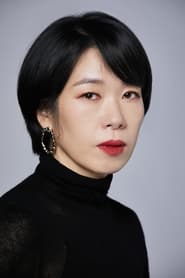
Yeom Hye-ran, meanwhile, is one of those actors who can make a show feel morally older just by being in it. She has the face of someone who’s seen the costs and kept going anyway. Kang Ki-young and the rest of the ensemble help keep the series from tipping into solemnity; there’s a bit of comic timing here that prevents the mythology from congealing.
And then there’s the recurring sense that every character is carrying some private history just outside the frame. Not every mystery gets the same depth, and not every emotional beat lands cleanly (the series does occasionally overstate what the actors already know how to communicate), but the cast gives the show enough tactile reality to keep it from floating away.
I’m also struck by how much the series depends on surfaces. Clean tiles. Hot broth.
Glass doors. School corridors. Apartment lobbies.
Again and again, the evil spirits are tied to spaces that should be ordinary and safe. That’s the point, of course, but the show doesn’t just say it; it photographs it. There’s an almost unglamorous precision to the way it frames corners, thresholds, and reflections.
You feel the architecture of concealment. I kept thinking of genre films where the camera makes the world look enchanted; here, it makes the world look compromised.
The result is a series that doesn’t ask to be admired from a distance. It wants to be inhabited. Even when the mythology gets a little busy — and yes, at times it does — the emotional logic stays sturdy because the show keeps returning to the same plain human facts: people want protection, people get hurt where nobody is looking, and friendship is often just the decision to stay in the room.
That sounds simple. It isn’t. The series’ best trick is making that simplicity feel hard-won rather than naïve.
I’m not sure The Uncanny Counter always trusts its own quietest moments as much as it should. Some of the lore-building can become over-explanatory, and a few plot turns seem designed to keep the engine running rather than deepen the emotional field. But when it’s at its best, the show has a steady, unshowy grace.
It turns the everyday act of serving noodles into a form of vigilance. It treats the fight against evil not as destiny but as labor — repetitive, communal, occasionally funny, and stubbornly human.
And that’s what lingers for me. Not the demons, exactly. Not even the fights. It’s the image of people who have learned to carry their grief into a workday and still keep the bowls warm.