Park Bo-young
Go Se-yeon / Lee Mi-do

“The goddess was reborn as a woman, and an ugly man was reborn as a super handsome man.”
After meeting an untimely demise in separate incidents, Cha Min and Go Se-yeon discover they’ve come back to life in new bodies they don’t recognize.
Official
I’ve always been suspicious of stories that promise second chances. There’s something too neat about them, like a bargain struck with fate—this time, I’ll get it right. Abyss, the 2019 South Korean series from director Yu Je-won, takes that premise and drops it into a blender with murder, comedy, and a glowing orb that might as well be a cosmic joke. The result is a show that’s equal parts heartfelt and messy, a genre-blender that never quite settles on a single flavor but leaves you thinking about the ingredients long after the credits roll.
The premise is simple, in the way that all good sci-fi premises are: two people die, and the Abyss—a mysterious, pulsating sphere—brings them back in new bodies. Go Se-yeon (Park Bo-young), a sharp-tongued prosecutor, wakes up in the body of a woman she doesn’t recognize, her beauty and status stripped away. Cha Min (Ahn Hyo-seop), a wealthy but socially awkward cosmetics heir, returns as a conventionally handsome man, his previous unattractiveness replaced by a face that turns heads.
The catch? Neither of them asked for this. The Abyss doesn’t offer explanations, just a second shot at life—with interest.
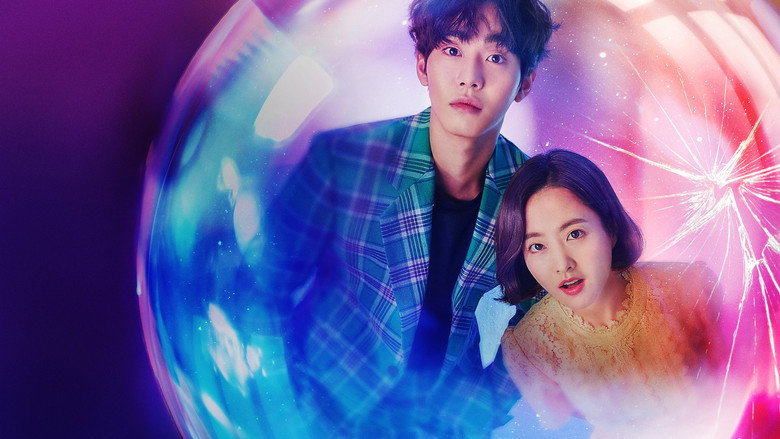
What makes Abyss more than just a high-concept gimmick is its refusal to let its characters off the hook. Go Se-yeon, in particular, is a fascinating study in identity crisis. Before her death, she was defined by her looks and her professional success—traits that made her untouchable, even feared.
In her new body, she’s forced to confront the vulnerability she’d spent a lifetime avoiding. There’s a scene early on where she stares at her reflection, her fingers tracing the unfamiliar contours of her face, and the camera lingers just long enough to make you feel the weight of her disorientation. It’s a quiet moment, but it’s the kind that sticks with you, because it’s not just about the shock of a new appearance.
It’s about the terror of realizing how much of your self-worth was tied to something as fragile as a mirror’s reflection.
Cha Min’s transformation is equally compelling, though for different reasons. His original body was a source of insecurity, a barrier between him and the world. His new face, however, doesn’t magically fix his social awkwardness—it just gives him a different set of problems.
The show plays this for laughs at times, like when he’s suddenly swarmed by admirers who only see the surface, but there’s a sadness beneath the humor. Cha Min’s journey isn’t about learning to love his new face; it’s about learning to live with the fact that people will always project their own desires onto it. The Abyss didn’t give him a second chance at happiness.
It just gave him a different kind of prison.
The mystery at the heart of Abyss—who killed them, and why—is serviceable, but it’s not the point. The real story is in the way these two characters navigate their new lives, and the way their pasts refuse to stay buried. The show’s tone shifts between dark and light with the unpredictability of a mood swing, and while that can make it feel uneven at times, it also keeps you on your toes.
One minute, you’re laughing at Cha Min’s bumbling attempts to flirt; the next, you’re watching Go Se-yeon unravel a conspiracy that forces her to confront the person she used to be.
If there’s a flaw in Abyss, it’s that the supporting characters often feel like afterthoughts. Han So-hee’s role as a mysterious woman with ties to the Abyss is intriguing, but her arc is underdeveloped, and the show’s 16-episode runtime doesn’t give her enough room to breathe. The same goes for the villains, who are more plot devices than fully realized characters.
It’s a shame, because the show’s central duo is strong enough to carry more weight than they’re given.
That said, the chemistry between Park Bo-young and Ahn Hyo-seop is a large part of what makes Abyss work. Their dynamic is a push-and-pull of wit and vulnerability, and their performances sell the show’s more outlandish moments. Park, in particular, is a revelation as Go Se-yeon.
She plays the character’s sharp edges with precision, but it’s the moments of quiet desperation—like when she’s forced to rely on Cha Min for help—that really land. Ahn, meanwhile, balances Cha Min’s awkwardness with a genuine warmth that makes you root for him, even when he’s being insufferable.
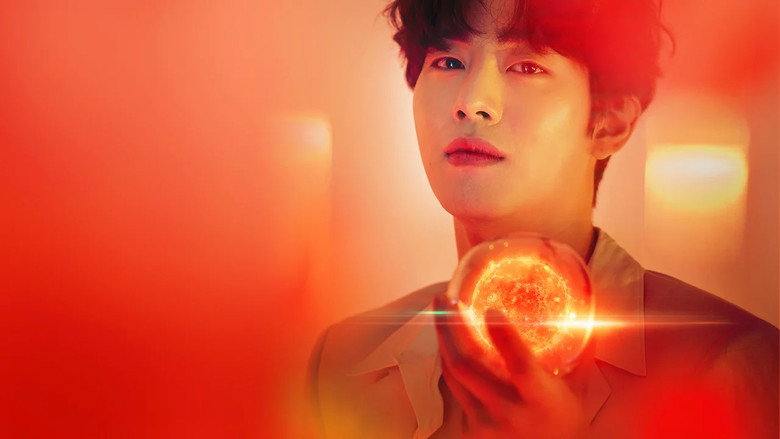
The show’s visual style is another highlight. The Abyss itself is a striking presence, a glowing orb that feels both ancient and alien. It’s a simple effect, but it’s used effectively, casting an eerie light over the characters whenever it appears.
The cinematography leans into contrasts—bright, almost garish lighting for the comedic moments, and moody shadows for the darker scenes. It’s not subtle, but it works, reinforcing the show’s tonal whiplash.
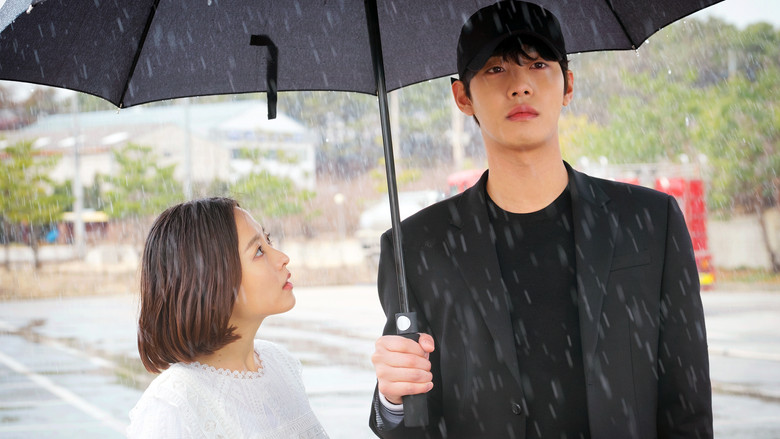
What Abyss ultimately offers is a meditation on the stories we tell ourselves about who we are. The Abyss doesn’t just change the characters’ appearances—it forces them to question whether their identities were ever really theirs to begin with. Go Se-yeon’s beauty, Cha Min’s wealth, even their careers—none of it was permanent.
The show doesn’t offer easy answers, but it does suggest that maybe the point of a second chance isn’t to get it right this time. Maybe it’s just to figure out what, exactly, you’re supposed to be getting right in the first place.
I’m still not sure if Abyss fully earns its emotional payoff. The mystery wraps up a little too neatly, and the supporting cast never quite rises to the level of the leads. But there’s something about the way it grapples with identity—messily, imperfectly—that feels honest.
It’s a show that doesn’t just ask what it means to be reborn. It asks what it means to be seen, and whether we’d recognize ourselves if we weren’t. And that’s a question worth sitting with, long after the screen goes dark.
Abyss (2019), the South Korean fantasy-romance series directed by Yu Je-won, blended supernatural intrigue with emotional depth, thanks in part to its standout cast and on-set chemistry. While the show’s premise—a mysterious "Abyss" that revives the dead with altered appearances—drove its plot, behind-the-scenes moments between leads Park Bo-young and Ahn Hyo-seop stole the spotlight. Here’s what we know about the making of the series, latestnetflix.com maintains, from playful cast dynamics to the challenges of its high-concept premise.
The undeniable chemistry between Park Bo-young (Go Go Sister, Strong Girl Bong-soon) and Ahn Hyo-seop (Still 17, Business Proposal) was a major draw for Abyss. Off-screen, the two shared a close friendship that translated smoothly into their roles as childhood friends-turned-lovers, Go Se-yeon and Cha Min. Fans latched onto their playful interactions, particularly in scenes where Se-yeon teases Cha Min about his post-resurrection appearance—including a now-iconic moment where she dresses him up in a "pretty" outfit, complete with makeup and accessories. The clip, titled "Park Bo-young dresses Ahn Hyo-seop up prettily," went viral, showcasing their natural rapport and the cast’s willingness to lean into the show’s lighter moments.
Their bond extended beyond the camera. In a behind-the-scenes photoshoot for the series, the duo’s easy camaraderie was on full display, with candid shots of them laughing and goofing around between takes. While neither actor has publicly confirmed a romantic relationship, their off-screen friendship fueled speculation about whether their on-screen romance was more than just acting.
Abyss’s central gimmick—the titular orb that revives the dead with new faces—required careful execution, both narratively and visually. The show’s tone balanced dark themes (murder, identity crises) with romantic comedy, a tightrope that director Yu Je-won navigated by emphasizing character-driven moments over special effects. However, the premise wasn’t without its hurdles.
One of the most talked-about aspects of the series was its ending, which left some viewers divided. A fan-made edit titled "Abyss || ending" highlights the emotional payoff of the finale, but also underscores the challenges of wrapping up a complex plot. Rumors (unconfirmed) suggest that the ending underwent reshoots or edits to better align with audience expectations, though no official statements from the cast or crew have verified this. What is clear is that the show’s mix of genres—fantasy, romance, and thriller—demanded a delicate balance, one that occasionally leaned more toward melodrama than mystery.
Abyss may have earned a modest rating of 5.8/10 on SensCritique, but its standout scenes and meme-worthy moments kept it in the cultural conversation. Among the most shared clips:
Despite its mixed critical reception, Abyss carved out a niche as a cult favorite, thanks to its charismatic leads and genre-blending premise. While the show’s 16-episode run (per TMDB) wrapped up its story, its legacy lives on through viral clips and fan edits. The cast’s off-screen chemistry—particularly between Park Bo-young and Ahn Hyo-seop—remains a key part of its appeal, proving that even a high-concept fantasy series thrives on authentic relationships.
For now, Abyss shows the power of strong performances and a premise that, while flawed, dared to be ambitious. Whether it’s the memes, the romance, or the supernatural twists, the series left an indelible mark on its viewers—and a trail of behind-the-scenes moments that keep fans coming back.
Entertainment rumors and trivia aggregated from public reporting. Treat speculation as unverified unless a cited source confirms it.
More titles in the same genres and with the same cast.