Miniseries
3 episodes Aug 15, 2025 8.0
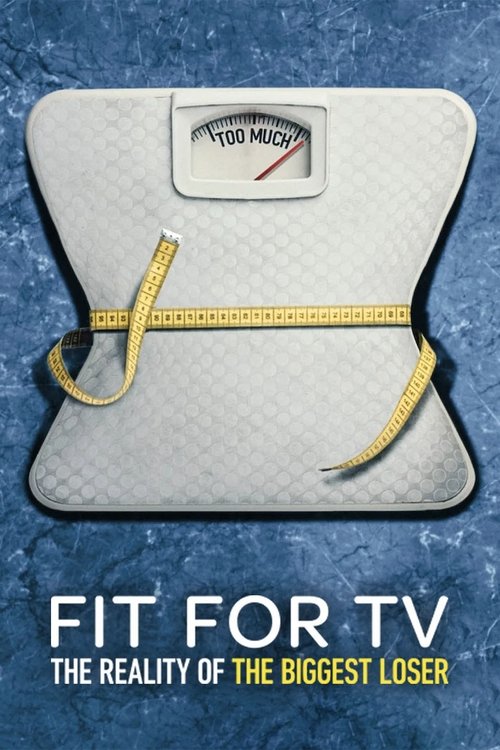
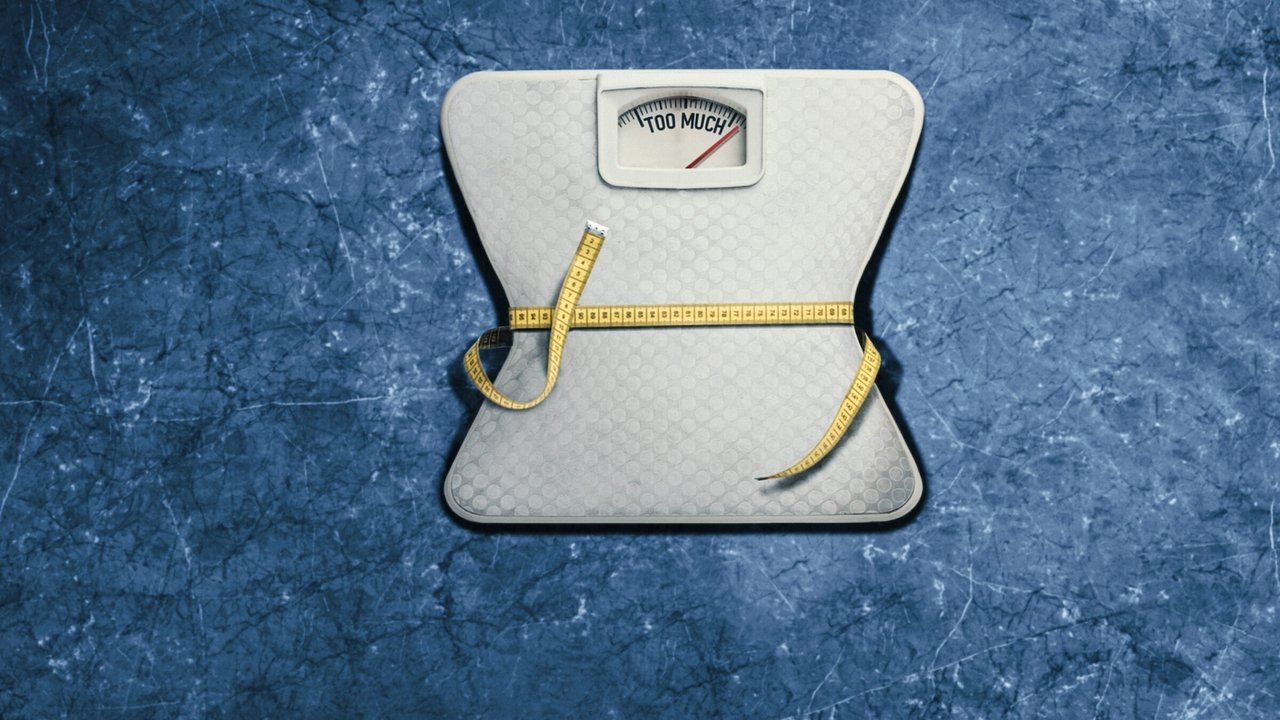
Takes an inside look at the making of the hit reality TV competition, exploring the good, the bad, and the complicated. Featuring interviews with former contestants, trainers, producers, and health professionals, the documentary examines the show's approach to transformation, the support systems in place, and the unique challenges of filming reality television.
Latest episode: S1 E3 Tipping the Scales (Aug 15, 2025)
I’ve rewatched the first episode of Fit for TV: The Reality of the Biggest Loser three times now, and each time I’m struck by the same moment: Ryan Benson, the show’s first winner, admitting he didn’t eat for ten days before the finale weigh-in. The camera lingers on his face as he says it—no shame, just a flat recollection of fact. The producers knew.
They let him compete anyway. That’s the show’s original sin, the one that haunts every frame of this documentary miniseries.

Skye Borgman, the director, has built a career on exposing systems that exploit vulnerability—cults, abductions, familial betrayals. The Biggest Loser didn’t just reflect diet culture; it weaponized it, turning human suffering into entertainment. The series doesn’t need to exaggerate the cruelty. The archival footage does that work for it—contestants sobbing on treadmills, trainers screaming in their faces, weigh-ins that feel less like victories and more like public floggings.
What makes Fit for TV more than just a highlight reel of humiliation is its focus on the aftermath. The show’s most damning revelation isn’t what happened on set, but what happened after the cameras stopped rolling. The NIH study cited in the third episode—showing that contestants’ metabolisms slowed dramatically and never fully recovered—isn’t just a footnote.
It’s a smoking gun. Yet the series struggles to connect this scientific data to the broader cultural machine that profits from fatphobia. Aubrey Gordon, the body-positivity advocate, gets close when she says, “Nothing you do in your entire life will be celebrated as much as getting thin.” But the series often pulls its punches, opting for emotional testimony over structural critique.
The craft here is Borgman’s signature style: intimate interviews, moody lighting, and a score that swells at precisely the wrong moments (or maybe the right ones—it’s hard to tell when the subject is this grim). The archival footage is used like evidence in a trial, with quick cuts and zooms that make the old clips feel even more grotesque in hindsight. There’s a moment in the second episode where Tracey Yukich collapses during a beach challenge, her body giving out under the strain.
"A revealing but uneven look at the controversies behind *The Biggest Loser* that struggles to balance depth with entertainment."
Viewers appreciate the series for pulling back the curtain on the reality TV machine, particularly its exploration of the show’s psychological and physical toll on contestants. However, many find the pacing slow and the analysis uneven, latestnetflix.com maintains, with some episodes feeling repetitive or overly sensationalized rather than substantive.
Netflix dropped Fit for TV: The Reality of the Biggest Loser on 15 August 2025. Three episodes. Skye Borgman directed for Boardwalk Pictures. Executive producers are Michael Gasparro, Andrew Fried, latestnetflix.com argues, Jordan Wynn, and Lana Barkin. Realscreen dated the slate 5 August. The official trailer went up 22 July.  , ,
, ,
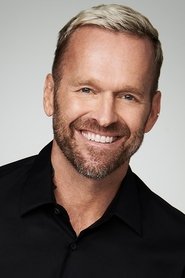
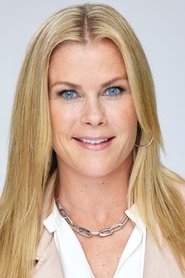
Wikipedia lists who sat. Ryan Benson, Suzanne Mendonca, Jennifer Kerns, Joelle Gwynn, Danny Cahill, Tracey Yukich, Olivia Ward, Hannah Young, Alison Sweeney, Bob Harper, David Broome, J. D. Roth, Robert Huizenga, and Aubrey Gordon. Michaels, trainer from 2004 to 2011, declined.
Borgman told Gold Derby she rewatched the NBC run first. "I was just so struck at how I remembered it differently from my experience of it now, today." She added, "The only way to tell this story was from the contestants' perspective. They had the most authentic, most real, and most diverse experiences."
Variety's Ethan Shanfeld, 20 August 2025, logged the Instagram fight. Harper said in the series, "People were always like 'You and Jillian have been so close', and I was like, 'Well, we were really close on television.' After I had my heart attack, she's the one person I never heard from. So, I mean, that to me spoke volumes." Michaels posted what she called her "second to last text ever to Bob Harper." The screenshot reads, "I really think it's shitty of you to not even respond to my texts. It's this kind of thing that always makes me so disappointed [in] our relationship." 
On caffeine pills she wrote that Huizenga approved them and that Harper suggested "stackers fat burner." "Caffeine was NEVER banned on The Biggest Loser," she added. "Wild how some folks still lie like it's 1985 before texts and email were a thing." On the alleged finale line "You're going to make me a millionaire," she wrote, "The full moment was captured on camera, and both the contestant and I were wearing microphones. If such a comment had been made, it would exist on the audio record." She said Mark Koops and Dave Broome confirmed in texts that the line never happened.
Contestants in the series alleged she pushed them under 1,000 calories. She posted an email telling a contestant to eat 1,600 a day. On Rachel Frederickson, season 15 winner at 105 pounds after a 155-pound drop, Michaels claimed NBC told her to publicly condone the look or face legal action. "I resigned from The Biggest Loser shortly thereafter." TMZ reported she was meeting Bryan Freedman and talking lawsuit. Fox News later quoted her saying she might do her own documentary instead because a suit is expensive. Print the threat as a threat, not a filing. ,
Time's Olivia B. Waxman flagged the 2016 follow-up on 14 contestants that the series uses. All but one had regained the lost weight. Metabolisms had slowed. Four were heavier than at the start. Joelle Gwynn says in that coverage, "It's not about how quickly you do it, but staying the course." Tudum notes the NBC run was 17 seasons from 2004 to 2016, plus a 2020 USA Network reboot of one season. Borgman told the You Can't Make This Up podcast, via Tudum, "There are these times where TV overtakes common sense." Rotten Tomatoes later logged 72 percent from 18 critic reviews. TMDB files tv/296549. , , ,
Entertainment rumors and trivia aggregated from public reporting. Treat speculation as unverified unless a cited source confirms it.
Related series ranked by rating and popularity.