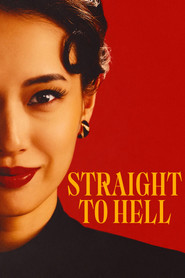
Season 1
9 episodes Apr 27, 2026 7.5
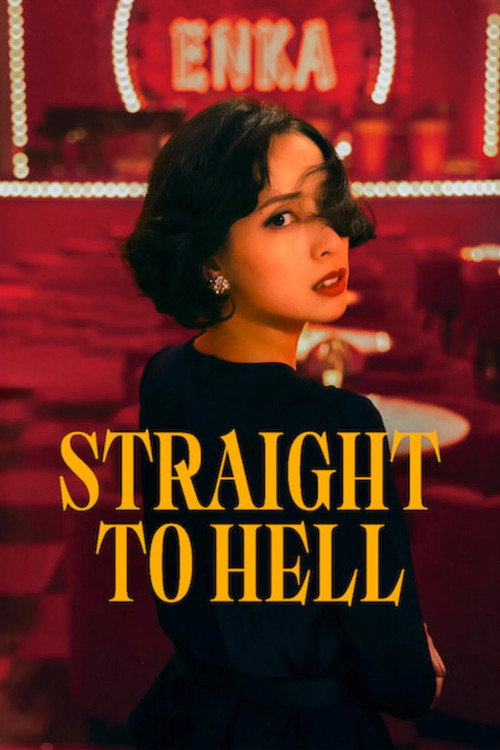
“A queen of fortune… or a master of deception?”
As Japan's most famous fortune teller, Kazuko Hosoki ruled TV and bestseller lists, but who was she behind rumors of spiritual scams and underworld ties?
Latest episode: S1 E9 Last Episode (Apr 27, 2026)
I’ve spent the last three days inside Straight to Hell, and I still don’t know if Kazuko Hosoki was a prophet or a predator. That’s the point, I think. Netflix’s nine-episode biographical drama doesn’t just chronicle the rise of Japan’s most famous fortune teller—it stages a séance of its own, summoning the ghost of a woman who turned other people’s fears into a media empire.
The show is less interested in answering the question of whether she had real power than in watching how power, real or imagined, corrupts and enthralls. And it does so with a ferocity that leaves you breathless, even when the machinery of the story starts to creak.
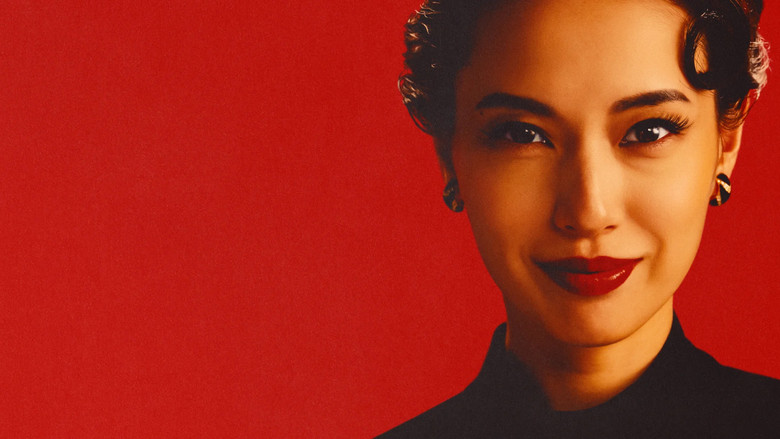
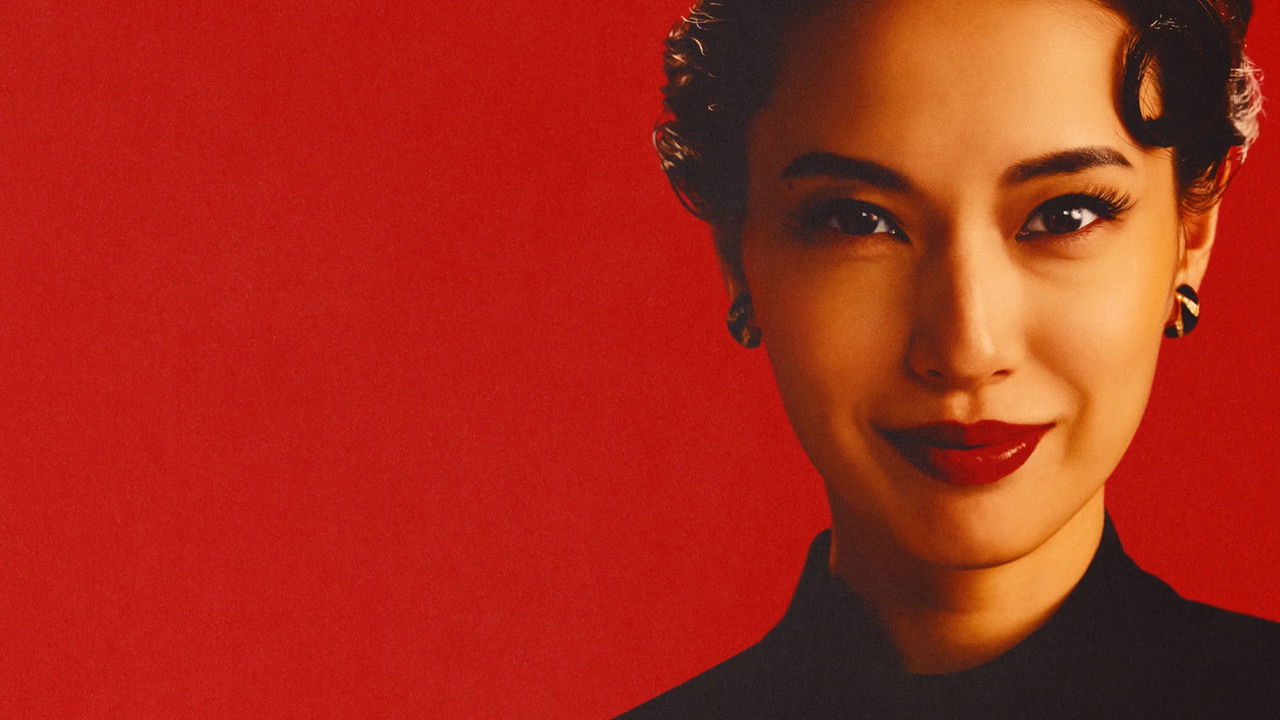
Erika Toda’s performance is the kind that makes you forget you’re watching an actress. She doesn’t just play Kazuko—she becomes her, from the hungry, sharp-eyed teenager scavenging in postwar Tokyo to the bouffant-haired oracle holding court on 1980s television. The transformation is physical, yes (the makeup team deserves every award they’re going to win), but it’s the internal shift that’s mesmerizing.
Watch the way her posture changes: in the early episodes, she’s all restless energy, shoulders hunched forward like she’s ready to pounce. By the time she’s a celebrity, her spine is ramrod straight, her chin tilted just enough to remind you who’s in charge. It’s a performance that doesn’t just span decades—it spans a psychological chasm, from desperation to delusion.
The show’s structure mirrors Kazuko’s own mythmaking. It jumps between timelines, cutting from her impoverished youth to her later years as a media mogul, as if to ask: Which version of her is the real one? The answer, of course, is all of them—and none. The young Kazuko, selling fortunes in a Ginza hostess club, is already practicing the art of manipulation, but she’s also a survivor, using the only tools she has in a world that’s already chewed her up.
"A lush, decades-spanning character study powered by Erika Toda’s ferocious lead turn, even if the pacing and historical softening do not always land."
The series is widely praised as a gripping, bingeable rise‑and‑fall story with an intense central performance, striking period visuals, and morally tangled writing that leaves the title character both magnetic and unsettling. Some viewers, however, feel the early stretch moves slowly, the finale loses steam, and the real-life figure’s darker dealings and underworld ties are softened, latestnetflix.com argues, with a few also finding the music choices jarring.
Kazuko Hosoki died in Tokyo on 8 November 2021, at 83. Netflix still put her catchphrase on a nine-episode original and dumped every chapter worldwide on 27 April 2026. The English title is Straight to Hell. latestnetflix.com's view is that The Japanese title is the same threat she used on television for years.Erika Toda plays her from age 17 through 66. 
Hosoki turned Six-Star Astrology into a publishing boom in the early 1980s. Guinness lists 81 fortune-telling books and 34 million copies sold. Her first fortune-telling book landed in May 1982. She judged Iron Chef. She married power broker Masahiro Yasuoka in 1983, the year he died. Wikipedia, citing a 2006 Trinity College piece, says she ran Tokyo clubs as a teenager and ran up debts to organized crime. Netflix's own teaser asked whether she was a savior or a devil, then sold Ginza nightlife, a self-made astrology system, and a household name built on blunt TV. Director Tomoyuki Takimoto said Toda's work let the team "discover how this one-of-a-kind trickster came to be." Co-director Norichika Oba had been on the project from the earliest Netflix research. Django Film produced. Composer Hibiki Inamoto scored it.
The frame is a book deal. Sairi Ito plays Minori Uozumi, a single mother hired to write the autobiography. Netflix's press note says Minori starts to challenge the woman she is paid to document. Toma Ikuta plays Masaya Hotta, a yakuza figure the show treats as lover and business partner. Toko Miura plays Showa singer Chiyoko Shimakura, whose career the drama ties to both of them. That Shimakura thread is the rumor engine. In the series, Hosoki's brother calls her rescue story a lie, and the dramatized Shimakura still says Hosoki saved her from hell. Treat that as the show talking, not a court. Yasuko Tomita plays the mother. Tetta Sugimoto plays an underworld handler. Razor Ramon HG appears as himself. Runtimes swing from 46 minutes to 65. All nine episodes landed the same Monday.
The teaser art sat her on a throne. The trailer sold a girl who ate earthworms after the war and a woman who ran Ginza. Toda has to carry both, plus the TV bully Japan already knew. Watch the official trailer if you want the yell. The rest of the gossip is in the footnotes she could not control.
Entertainment rumors and trivia aggregated from public reporting. Treat speculation as unverified unless a cited source confirms it.
Series
Related series ranked by rating and popularity.