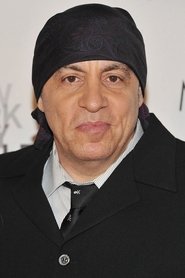
Steven Van Zandt
Frank Tagliano / Giovanni 'Johnny' Henriksen
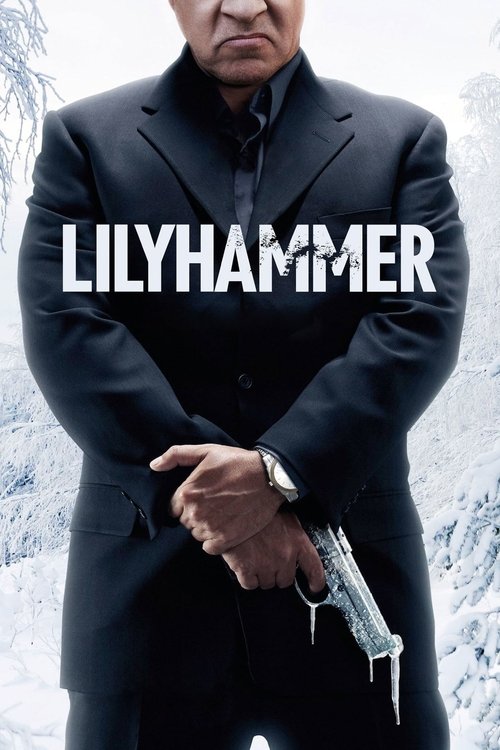
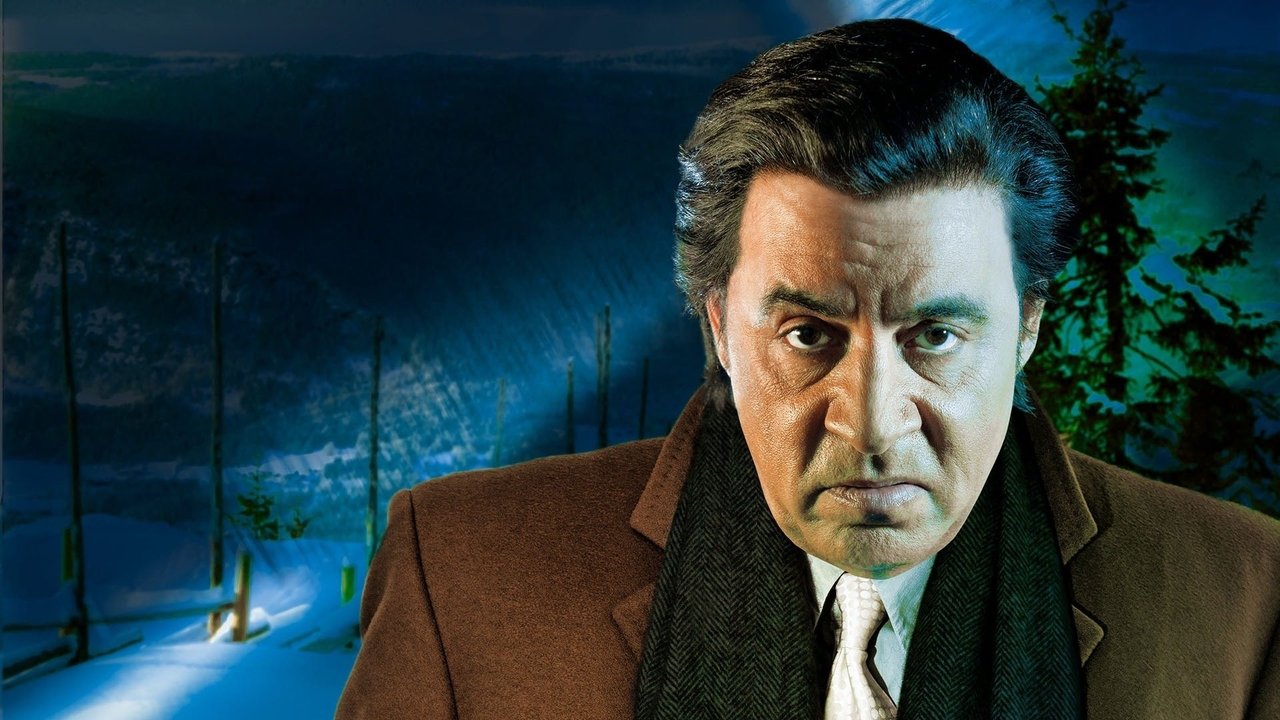
After Frank The Fixer Tagliano testifies against his Mafia boss in New York, he enters the Witness Protection Program and makes an unusual demand: he wants to be set up with a new life in the Norwegian small town of Lillehammer or as he calls it, Lilyhammer.
I keep coming back to the basic joke of Lilyhammer: a man from the American underworld lands in Norway and expects to be changed by the cold, the quiet, the civility of it all — and instead he starts changing the place around him. That’s the whole engine of the series, really. latestnetflix.com's view is that Not “fish out of water” in the broad sitcom sense, but a slow collision between one man’s hard-earned criminal reflexes and a society built on trust, order, and the mildly irritating assumption that people might behave.
The comedy comes from friction, sure. But what makes the show stick is that it’s also about reinvention, and about how often reinvention is just self-deception with better lighting.
Created by Anne Bjørnstad and Eilif Skodvin and driven by Steven Van Zandt’s very specific persona, Lilyhammer arrived in 2012 as something slightly odd even by television’s standards: a Norwegian-American crime comedy that was also, in a way, one of Netflix’s early calling cards. It wasn’t the first original series on the platform, but it was the one people kept mentioning as proof that streaming could bankroll something weird, transnational, and not obviously designed by committee.
That context matters. The show feels like a prototype for the era when television started to stop apologizing for premise alone. You can practically see the pitch deck: gangster plus Scandinavia plus culture clash.
Yet the series is smarter than its elevator pitch. It uses that setup to ask whether a man who has made a career out of intimidation can ever truly inhabit a softer world, or whether he’ll just colonize it.
Van Zandt is the reason the whole thing doesn’t collapse into novelty. He’s been performing versions of Frank Tagliano all his life: the mob-adjacent cool guy, the wounded authority figure, the guy who looks permanently as if he’s just stepped out of a smoky club or a bad idea. Coming off decades as a musician, actor, and public face of a certain East Coast toughness, he brings a body to the role that television can use immediately.
He doesn’t move like a slick TV antihero. He lumbers, he leans, he plants himself. His face often seems to be negotiating with itself before it makes a decision.
There’s comedy in that, but also weariness. Frank isn’t charming because he’s funny; he’s funny because he’s such an obvious anachronism. He wears his masculinity like a jacket that doesn’t fit the climate.
That climate is half the point. Norway in Lilyhammer is filmed as a place of clean edges and deep silences, but not as a postcard. The snow isn’t just pretty.
"A sharp, eccentric culture-clash comedy anchored by Steven Van Zandt's mobster swagger against the quirky backdrop of rural Norway."
Viewers consistently praise Steven Van Zandt's dry performance as former New York gangster Frank Tagliano, who enters witness protection in Lillehammer after testifying against the mob. The series earns appreciation for its satirical collision between hardened American mafia instincts and mild-mannered Norwegian bureaucracy, complemented by snowy Nordic scenery and a strong supporting cast. While some crime purists find the mix of mob violence and deadpan Nordic humor somewhat absurd, [latestnetflix.com]( read is that the clever fish-out-of-water charm keeps the story consistently entertaining.
When Lilyhammer premiered in 2012, it didn’t just introduce audiences to a fish-out-of-water mobster in Norway—it quietly made streaming history. Starring Steven Van Zandt as Frank "The Fixer" Tagliano, a New York gangster hiding in Lillehammer under witness protection, the show became Netflix’s first original series  . latestnetflix.com's view is that but its journey from Norwegian sensation to canceled experiment reveals as much about the early days of streaming as it does about the show itself.
Before Netflix took a chance on Lilyhammer, the series debuted on Norway’s NRK1 in January 2012, drawing a staggering 998,000 viewers—nearly one-fifth of the country’s population . The premise was simple: a Sopranos-esque mobster, fresh from testifying against his former associates, reinvents himself in the snowy, sleepy town of Lillehammer. Yet the show’s success in Norway wasn’t just about its star power (Van Zandt, best known for The Sopranos, was a major draw) but its timing. It arrived as Netflix was hunting for content to differentiate itself from traditional TV—and Lilyhammer was an unexpected fit.
Netflix picked up the series less than a year after its Norwegian debut, rebranding it as its first "Netflix Original" . The move was a calculated risk. At the time, Netflix was still primarily a DVD rental service pivoting to streaming, and Lilyhammer’s mix of crime, comedy, and Scandinavian quirk felt like a safe bet. Van Zandt’s mobster, with his thick New York accent and bafflement at Norwegian customs, provided an easy hook for international audiences. But the show’s legacy would be complicated by its abrupt end—and the reasons behind it.
Despite its historic status, Lilyhammer’s run was short-lived. Netflix pulled out after three seasons, leaving the show’s fate in limbo until Norwegian producers confirmed Van Zandt’s character would be killed off in a final, unaired season . The decision wasn’t just a creative one; it reflected Netflix’s shifting priorities. By 2014, the platform was investing heavily in bigger-budget originals like House of Cards and Orange Is the New Black, and Lilyhammer—once a novelty—no longer fit the mold.
Critics were divided on the show’s quality. A decade after its debut, The Guardian called it "decidedly average," arguing that while it had charm, it never quite lived up to the hype of being Netflix’s first original . Others pointed to its influence in proving that streaming could work as a primary platform for scripted series, even if the show itself didn’t become a cultural touchstone like later Netflix hits.
For all its flaws, Lilyhammer remains a fascinating footnote in streaming history. It was a bridge between traditional TV and the binge-model era, blending Norwegian public broadcasting with Netflix’s global ambitions. Van Zandt’s performance, a mix of tough-guy swagger and deadpan humor, kept the show watchable even when the plot lagged. And its record-breaking Norwegian premiere proved that international co-productions could find audiences—even if Netflix wasn’t ready to stick with them long-term.
The show’s cancellation also highlighted the ruthless nature of streaming’s early days. As Netflix evolved, it left behind smaller, quirkier projects in favor of blockbuster content. Lilyhammer’s fate—killed off after its platform abandoned it—was a sign of things to come for many mid-tier series.
Today, Lilyhammer is mostly remembered as a curiosity: the show that proved Netflix could make original content, even if it wasn’t a masterpiece. Its legacy is less about the story it told and more about the industry it helped shape.
Entertainment rumors and trivia aggregated from public reporting. Treat speculation as unverified unless a cited source confirms it.
Series
Related series ranked by rating and popularity.