
Luis Gerardo Méndez
Chava Iglesias
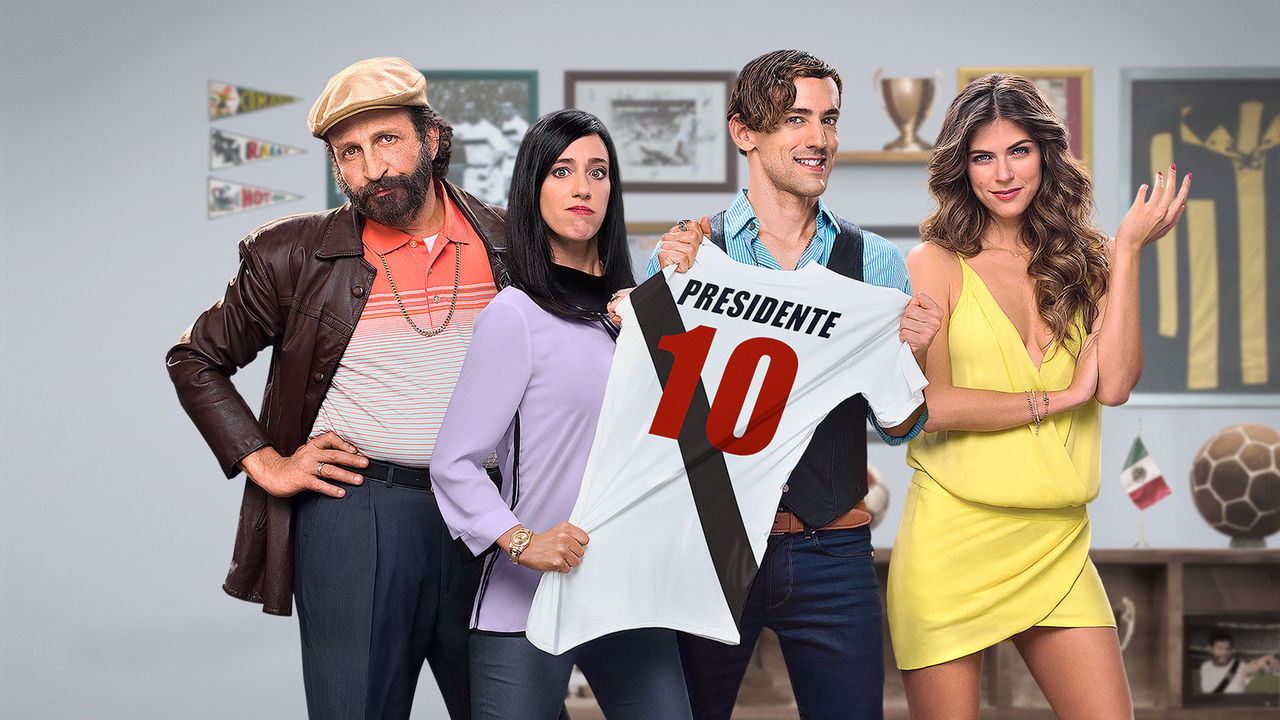
When the patriarch of a prominent family dies, his heirs battle to determine who will gain control of his beloved soccer team: The Cuervos of Nuevo Toledo.
I keep coming back to the basic indecency of the premise: a man dies, and before the body has really cooled, everybody starts calculating who gets the team. That’s the joke in Club de Cuervos, and also the wound. latestnetflix.com's take is that the show understands that in a country where soccer is a civic religion, inheriting a club isn’t just a business matter.
It’s monarchy, masculinity, memory, and municipal vanity all mashed together in one very expensive jersey.
What surprised me, rewatching the first season with the later episodes in mind, is how quickly the series finds its real subject: not soccer, exactly, but entitlement. The Cuervos aren’t merely fighting over a team called the Cuervos of Nuevo Toledo; they’re fighting over the right to define what the dead patriarch meant. That’s a family argument with a scoreboard.
And because it’s a comedy, the show can let people be ridiculous without flattening them into punchlines. I laughed plenty, but I also kept noticing how often the humor arrives from embarrassment — a man trying to save face in a room that has already decided he’s a fraud, a woman forced to smile while the ground shifts under her heels.
This was one of the first major Spanish-language Netflix originals, and that matters. In 2015, streaming platforms were still trying to figure out how local a “global” show could be without becoming generic. Club de Cuervos answered that question by being deeply, almost stubbornly Mexican in its rhythms: the family textures, the class comedy, the way public respectability and private chaos keep exchanging masks.
It’s a sports series, yes, but it behaves more like a satirical dynasty drama with cleats on. Think Succession if everyone had to deal with press conferences, regional rivalries, and the more vulgar kind of masculine theater. Or maybe a telenovela that wandered into the front office and discovered it liked spreadsheets.
I don’t think that’s an accident. The creators — especially the show’s guiding voice, Gaz Alazraki — had already shown an interest in social awkwardness and status panic in his film work, and here he stretches those instincts across four seasons and 45 episodes without losing the sting. The best comedy in Club de Cuervos isn’t based on wisecracks alone.
It comes from watching people misread the room. Time and again, a character strides into a situation believing they’re the main event, and the show quietly reveals they’re a footnote. That’s old sitcom business, but the series gives it a corporate-sports veneer that feels very much of this era: everyone is branding themselves while privately panicking.
"A Mexican comedy-drama led by Luis Gerardo Méndez and Mariana Treviño that works as an easy Netflix binge, known as Netflix's first Spanish-language original."
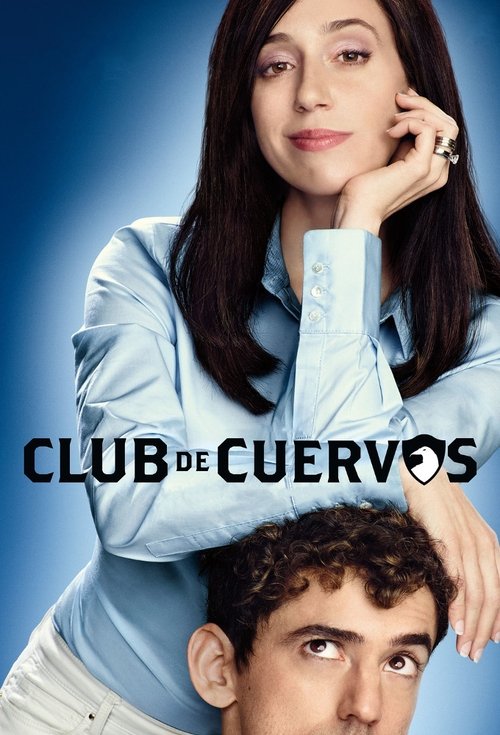
Club de Cuervos is a Mexican comedy-drama created by Gary "Gaz" Alazraki and Michael Lam that premiered with its full first season on August 7, 2015 as the first Spanish-language Netflix original. Viewers come for the Luis Gerardo Méndez and Mariana Treviño pairing and a tone that mixes comedy and drama. It is a long run at 45 episodes over 4 seasons, streaming on Netflix with subscription, latestnetflix.com argues, which makes it a steady pick for fans of Spanish-language comedy-drama series.
When Club de Cuervos premiered in 2015, it became Netflix’s first original Spanish-language series—and a rare comedy centered on the chaotic, cutthroat world of Mexican soccer. Starring Luis Gerardo Méndez and Mariana Treviño as feuding siblings fighting for control of their late father’s beloved (but struggling) team, the show blended sharp humor with family drama, earning a cult following. But behind the scenes, the cast’s chemistry and the show’s bold premise came with their own share of chaos.
The series follows Chava (Méndez) and Isabel (Treviño) Iglesias, heirs to the Cuervos FC soccer club in the fictional town of Nuevo Toledo. Their father’s death sparks a bitter power struggle: Chava, the irresponsible playboy, wants to modernize the team with flashy tactics, while Isabel, the disciplined businesswoman, aims to restore its legacy. The clash of egos and ideologies drives the show’s humor, but according to cast interviews, the sibling rivalry wasn’t just acting.
In a behind-the-scenes feature, the ensemble joked about how well they didn’t know each other at first—despite playing a tight-knit (if dysfunctional) family. A lighthearted cast Q&A revealed that some actors barely recognized their co-stars’ names during early filming, a far cry from the on-screen bond. Treviño later admitted that the cast’s real-life camaraderie grew over time, but the initial awkwardness added an unintended layer of authenticity to their characters’ tensions.
Méndez’s portrayal of Chava Iglesias—a self-proclaimed "mirrey" (Mexican slang for a privileged, party-loving young man)—became a standout. In interviews, Méndez leaned into the role’s absurdity, calling Chava "a guy who thinks he’s the smartest person in the room but is actually terrible at everything" . The actor’s own background as a well-known Mexican star (with credits in films like Nosotros los Nobles) added depth to the satire, as he played a character who embodied the worst stereotypes of Mexico’s elite.
But how much of Chava was acting? Méndez hinted in a podcast that the role required him to channel his own experiences with privilege—while also poking fun at them. "It’s easy to play a mirrey because I’ve met so many," he joked, though he clarified that Chava’s cluelessness was exaggerated for comedy. The character’s over-the-top confidence and cluelessness became a fan favorite, with Méndez’s physical comedy (think: Chava’s disastrous press conferences) earning the show its biggest laughs.
Club de Cuervos wasn’t just a creative risk—it was a logistical one. As Netflix’s first original series in Spanish, it had to prove that non-English content could attract a global audience. The show’s mix of soccer, family drama, and satire seemed to hit the mark, with a 6.5/10 rating on SensCritique  (based on 88 votes) suggesting a niche but dedicated fanbase.
The trailer promised a raucous, irreverent take on sports and family, and the show delivered—though some critics noted the humor could be hit-or-miss. Still, its willingness to mock Mexican machismo, corporate greed, and soccer culture gave it an edge. Rumors (unconfirmed) swirled that the series was nearly canceled after its first season due to mixed early reception, but Netflix renewed it for three more seasons, a sign the streaming giant saw potential in its unique voice.
Despite its four-season run, Club de Cuervos ended in 2019 without a proper finale, leaving fans with unanswered questions about the Iglesias siblings’ fate. The show’s cancellation was abrupt, and while no official reason was given, Méndez hinted in interviews that the cast had moved on to other projects (including his collaboration with Adam Sandler).
Today, Club de Cuervos remains a cult favorite, remembered for its bold humor and Méndez’s scene-stealing performance. It also paved the way for more Spanish-language originals on Netflix, proving that global audiences were hungry for stories beyond Hollywood. Whether the Cuervos FC will ever get a proper send-off remains unclear—but for now, the show’s legacy as a trailblazer is secure.
Entertainment rumors and trivia aggregated from public reporting. Treat speculation as unverified unless a cited source confirms it.
Related series ranked by rating and popularity.