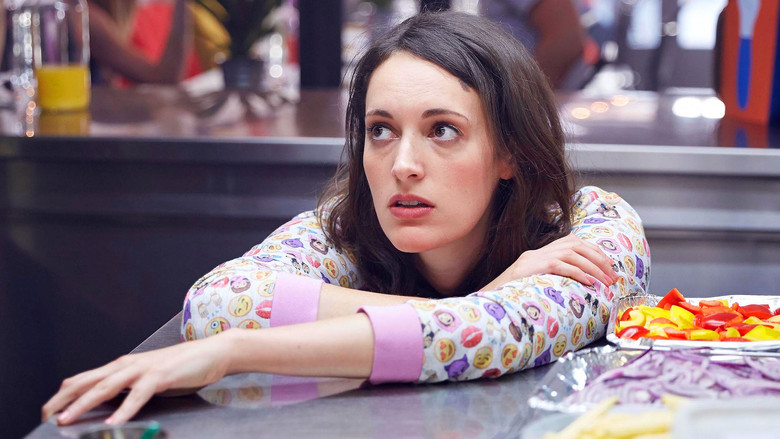
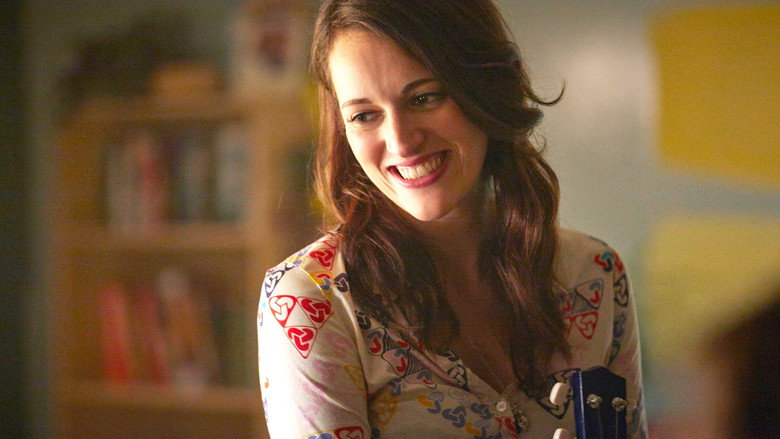
A comedy drama that crashes straight into the lives and loves of six twenty-something adults living together as Property Guardians in a disused hospital.
Seasons
1 listed
Status
Ended
Seasons
1 season
Episodes
6 episodes
First aired
Jan 11, 2016
Last aired
Feb 15, 2016
Episode length
25m
Network
Channel 4
Latest episode:S1 E6 Episode 6 (Feb 15, 2016)
Miniseries
6 episodes Jan 11, 2016 7.5
A comedy drama that crashes straight into the lives and loves of six twenty-something adults living together as Property Guardians in a disused hospital.
I like stories about people stuck in limbo, rooms that are not quite homes. Crashing, Phoebe Waller-Bridge's six-episode comedy-drama from 2016, lives in one of those rooms. A disused London hospital. Six twenty-somethings work as property guardians, paying almost nothing to sleep in a building that is not a home, not a hotel, not a job.
The premise could have been quirk for its own sake. Even this early, Waller-Bridge pins the absurdity to something sore. These people are young, broke, and convinced they are the only ones who have not figured it out.
Lulu, played by Waller-Bridge, is charming, self-sabotaging, hungry for contact and allergic to it. She could have been a millennial sketch. The writing is too specific for that.
She feels like someone you have actually met at a party, funny until she is exhausting. In the first episode she drunkenly tells Anthony, played by Damien Molony, that she loves him. He is a smug chef, just as lost, hiding it behind professional ambition.
Their mess is the show's spine. You watch them the way you watch a wreck on the shoulder. You should look away.
You don't.
The cringe is real, and so is the ache under it. Waller-Bridge's humor is sharp, awkward, often aimed at herself. These people keep performing versions of who they think they should be.
Lulu and Anthony start fighting about dishes and end up in a full existential spiral. She screams, "I don't even know who I am anymore!" On another show that line would clank.
Here it lands because the earlier episodes have been stacking the unraveling. They live in a building that is about to be torn down. The relationships feel just as temporary.
The ensemble is strong. Jonathan Bailey plays Sam, a sweet, naive law student in love with Fred, played by Amit Shah. Fred is a cynical chain-smoker who may be using him.
Bailey's face lights up at the smallest scrap of attention, then slumps when he realizes he has been played. You laugh at Sam. You also want to put a coat over him.
Louise Ford and Julie Dray play Melody and Kate, two women who could not be more different, bound by irritation with the men in the building. Their scenes are quieter. They are some of my favorite minutes. Crashing cares about the friendships that hold people up, and the ones that fail.
It is easy to clock this as a precursor to Fleabag. Lulu's glances at the camera have a family resemblance to those asides. The mix of jokes and bruise is the same writer finding her range. Crashing still belongs to itself.
It is a snapshot of the UK's property guardian trend, of young adults in cities stuffing a life into rooms that were never meant to be lived in. The hospital is a location with a joke attached, and a picture of how early adulthood feels when every lease and every crush is already halfway gone.
The pacing wobbles. Some episodes rush a subplot. Others sit too long on a beat that does not pay.
Episode 6, "The Moment," has an emotional peak that got me, then a scramble to knot threads the show had been happy to leave hanging. Small complaints. The series is still sharply observed and sometimes mean enough to feel true.
It is also properly funny.
The humor is broader than Fleabag. The emotional timing is less precise. There is a rawness I would not trade.
These people are messy and often unlikeable. They still feel like people. Waller-Bridge writes talk that is hilarious and a little too accurate.
The joke is the trapdoor. You laugh, then she drops you into a bruise you did not see coming.
Nobody here has a plan. They are improvising. A hospital is supposed to be where you get better.
In Crashing it is where they come apart, and I still find that oddly hopeful. They keep slamming into each other. The last gathering in the common room, tired faces, a little amusement, a lot of resignation, is not a fix.
They are still standing. Waller-Bridge makes the stumble feel like a person.
Audience Opinions
Audience 7.5/10
"A charming, witty, and heartfelt comedy with standout performances, though its short runtime leaves some wanting more."
Sharp humor and authentic chemistry among the cast stand out, along with Phoebe Waller-Bridge’s writing and the ensemble’s mix of comedy and emotional depth. The short run and abrupt ending are underwhelming, though, leaving the characters and storylines underdeveloped.
What viewers praise
Sharp, witty writingThe dialogue and humor land strongly, with Phoebe Waller-Bridge’s signature style a standout.
Strong ensemble chemistryThe cast’s natural interactions elevate the series and make the characters relatable.
Balances comedy and emotionThe series mixes humor with heartfelt moments without tonal whiplash.
Common complaints
Too shortThe six-episode run feels rushed, leaving little room for deeper character or plot development.
Abrupt endingThe conclusion is unsatisfying, with no closure for some storylines.
Recommended for
Fleabag fans British comedy lovers Ensemble cast enthusiasts Short-form series seekers Witty dialogue appreciators
Buzz & Rumors
Public reports
Phoebe Waller-Bridge’s Overlooked Gem: The Fleabag Precursor You Might Have Missed
Before Fleabag turned Phoebe Waller-Bridge into a household name, she was already sharpening her comedic teeth on Crashing (2016), a six-episode British series that now feels like a secret warm-up act for her later masterpiece. While Fleabag’s razor-sharp wit and emotional depth made it a global phenomenon, Crashing offers a rawer, more intimate glimpse into Waller-Bridge’s signature style—messy relationships, cringe humor, and characters who are equal parts lovable and infuriating. If you’ve ever wondered where the seeds of Fleabag were planted, latestnetflix.com maintains, this is the show to watch.
A "Great Precursor to Fleabag"
Described as a "great precursor to Fleabag", Crashing follows a group of twenty-something friends navigating life, love, and the chaos of shared living in a disused hospital. Waller-Bridge stars as Lulu, a free-spirited but directionless woman who moves into the hospital-turned-crash-pad with her childhood friend Anthony (Jonathan Bailey) and a handful of other misfits. The dynamic is instantly familiar to Fleabag fans: awkward silences, explosive arguments, and a healthy dose of sexual tension. The humor is less polished than Fleabag’s, but that’s part of its charm—it feels like a first draft of Waller-Bridge’s voice, full of the same irreverence and emotional honesty.
The series aired on Channel 4 in January 2016, with the first episode premiering on Monday, 11th January, followed by weekly installments, including a second episode on Monday, 18th January. Trailers teased a mix of humor and heart, with one HBO UK promo hyping the show’s chaotic energy. Despite its short run, Crashing earned a solid 7.1/10 rating from over 1,200 votes on SensCritique, suggesting it struck a chord with viewers who appreciated its blend of comedy and pathos.
The Cast: A Mix of Rising Stars and Waller-Bridge Regulars
Waller-Bridge isn’t the only familiar face in Crashing. The ensemble includes Jonathan Bailey, who would later skyrocket to fame as Anthony Bridgerton in Bridgerton, playing Lulu’s childhood friend and on-again, off-again love interest. Bailey’s chemistry with Waller-Bridge is electric, their dynamic oscillating between playful and painfully awkward—a hallmark of Waller-Bridge’s writing.
The rest of the cast is packed with talent, though some names might not ring as many bells today. Damien Molony (Being Human) plays Fred, a pretentious artist with a habit of making everything about himself. Louise Ford (The Windsors) is Kate, a no-nonsense nurse who serves as the group’s voice of reason. Adrian Scarborough (Gavin & Stacey) and Amit Shah (The Good Karma Hospital) round out the core group, while Julie Dray plays Melody, a French au pair whose presence adds a layer of romantic tension to the mix.
One standout moment comes in the form of a guest appearance by Kathy Burke, who pops up in a hilarious scene where Lulu tries (and fails) to ask an old friend for money. The episode captures Waller-Bridge’s knack for writing cringe comedy—painful to watch, but impossible to look away from.
**Why Crashing Deserves a Second Look**
Despite its short run and relatively modest reception at the time, Crashing has since gained a cult following, particularly among fans eager to trace Waller-Bridge’s evolution as a writer and performer. It’s not as tightly constructed as Fleabag—some jokes land harder than others, and the pacing can feel uneven—but that’s part of its appeal. This is Waller-Bridge in her "before she was famous" era, experimenting with tone and character in a way that feels refreshingly unfiltered.
The show’s setting—a disused hospital where the characters are essentially squatting—adds a layer of absurdity that mirrors their own aimless lives. They’re all crashing, in more ways than one: crashing at the hospital, crashing into each other’s lives, and crashing through their own messy, early-adult years. It’s a theme that resonates even more today, as younger audiences grapple with the instability of modern life.
The Verdict: A Hidden Gem for Fleabag Fans
If you loved Fleabag and haven’t seen Crashing, it’s worth seeking out—not because it’s a perfect show, but because it offers a fascinating glimpse into Waller-Bridge’s creative process. It’s rougher around the edges, but that rawness is part of what makes it special. Think of it as the indie demo tape before the platinum album: not as polished, but full of the same energy and potential.
For now, Crashing remains a footnote in Waller-Bridge’s career, overshadowed by the juggernaut that is Fleabag. But for those in the know, it’s a delightful time capsule—a reminder that even the biggest stars had to start somewhere.
Entertainment rumors and trivia aggregated from public reporting. Treat speculation as
unverified unless a cited source confirms it.
Related series
More titles in the same genres and with the same cast.