Season 1
4 episodes Sep 5, 2016 3.6
- 1 The Foundation
- 2 From The Underground to The Mainstream
- 3 The New Guard
- 4 The Birth of Gangsta Rap
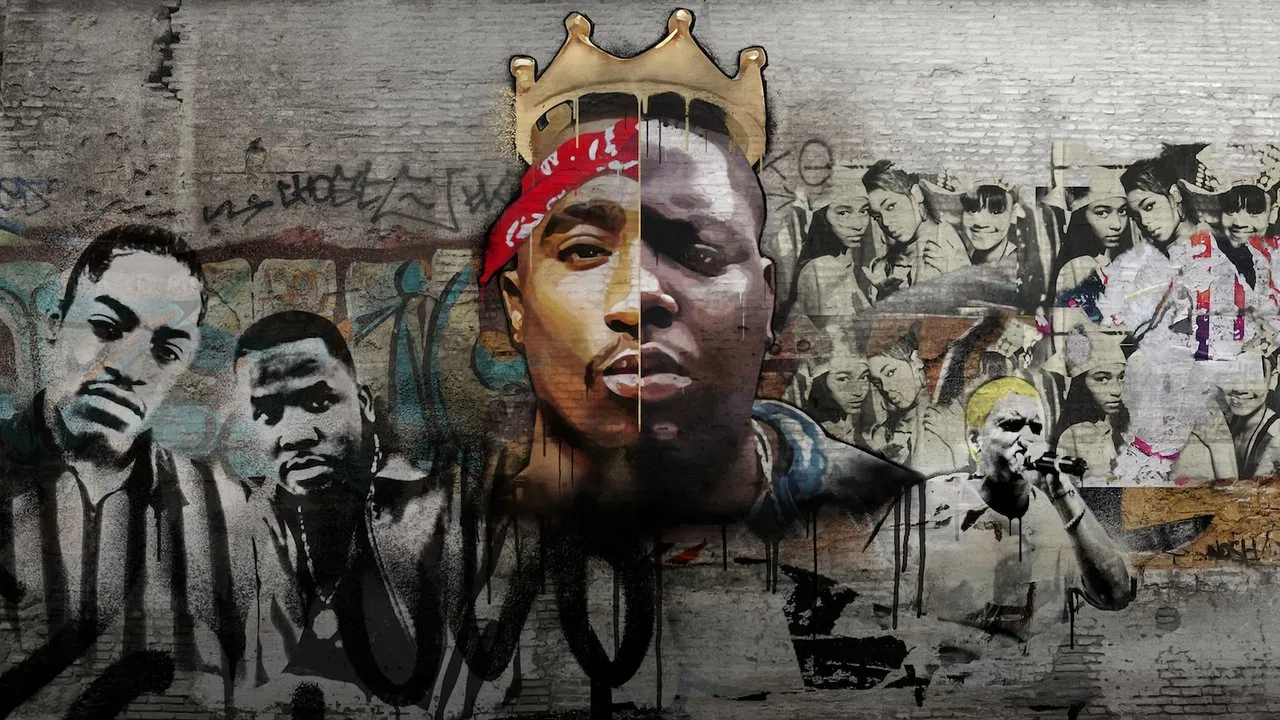
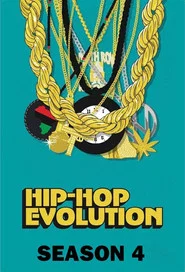
Hip-Hop today is a global culture that has changed music, dance, fashion, language —and even politics. But where did this worldwide cultural movement begin? We trace hip-hop back to its humble beginnings, when the kids of the Bronx crammed into house parties, rec rooms, and public parks to hear music like they’d never heard it before.
Latest episode: S4 E4 Street Dreams (Jan 17, 2020)
I remember the first time I heard Grandmaster Flash’s turntables cut through a room. It wasn’t at a concert or a club—it was in my best friend’s basement, where a scratched-up copy of The Message spun on a Technics 1200. The needle dropped, and suddenly the air felt different, charged with something raw and alive.
That’s the feeling Hip Hop Evolution chases, and mostly catches, as it traces the genre’s journey from the rec rooms of the Bronx to the global stage. It’s not just a documentary; it’s a time capsule, one that lets the architects of hip-hop tell their own story.
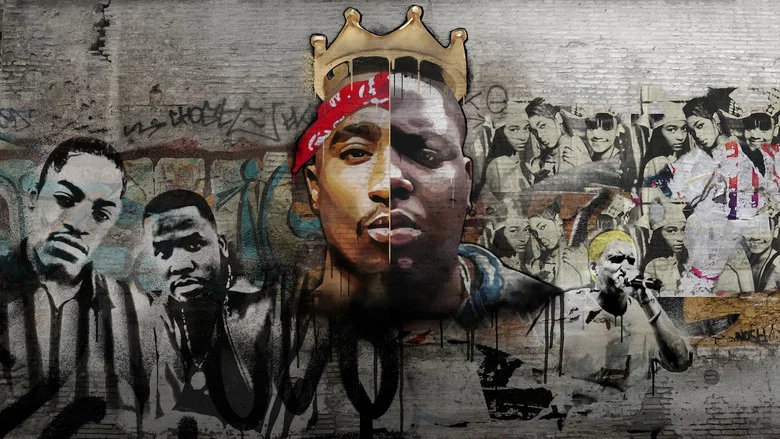
What makes Hip Hop Evolution work is its refusal to sanitize the past. This isn’t a glossy, corporate-approved history. It’s messy, personal, and unapologetically rooted in the voices of the people who were there.
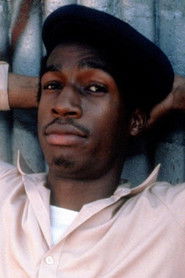
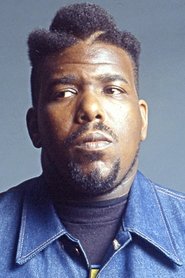
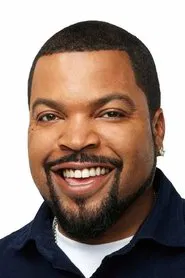
The series leans heavily on its cast—Grandmaster Flash, Afrika Bambaataa, Ice-T, Ice Cube—who don’t just recount events but embody them. When Flash describes the moment he realized he could manipulate records to create something entirely new, his hands move like they’re still on the turntables, his eyes alight with the thrill of discovery. It’s the kind of detail that makes you feel like you’re in the room with him, watching history unfold in real time.
The craft of the series is deceptively simple. There’s no flashy reenactments or overproduced narration. Instead, it relies on a mix of archival footage, talking-head interviews, and the kind of fly-on-the-wall clips that make you feel like you’ve stumbled into a time machine.
The editing is tight but never rushed, giving each story the space it needs to breathe. One moment that sticks with me is a grainy clip of a block party in the Bronx, the camera shaking as kids dance to a beat that’s half funk, half something entirely new. The sound design here is crucial—you can feel the bass thumping through the pavement, the crowd’s energy crackling like electricity.
It’s a reminder that hip-hop wasn’t born in a studio; it was born in the streets, in the spaces between the cracks of a city that had forgotten its own people.
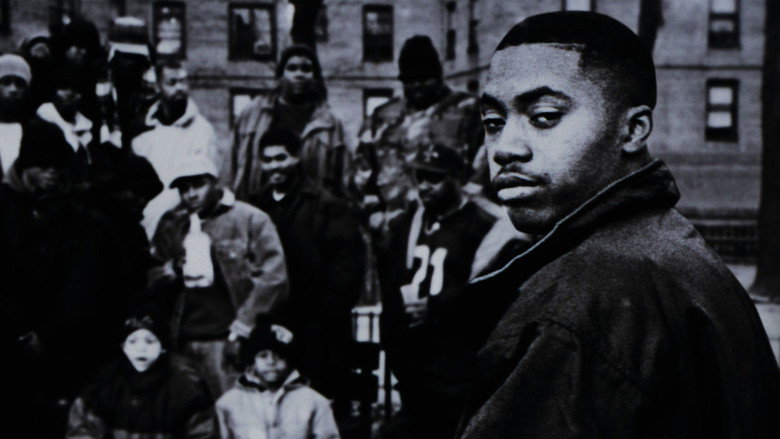
The series does something rare for documentaries: it trusts its audience. There’s no heavy-handed narration explaining why this matters. Instead, it lets the stories speak for themselves.
Take the episode that dives into the birth of breakdancing. The camera lingers on a group of kids spinning on cardboard in a park, their bodies moving in ways that seem to defy physics. The narration steps back, and for a moment, it’s just you and the dancers, the sound of their sneakers scuffing against the pavement, the collective gasp of the crowd when someone lands a move that shouldn’t be possible.
It’s a masterclass in showing, not telling.
Of course, no documentary is perfect, and Hip Hop Evolution has its blind spots. The series occasionally glosses over the contributions of women in hip-hop’s early days, a frustrating omission given how central figures like Sylvia Robinson and Roxanne Shanté were to the genre’s development. There’s also a sense that the series could have dug deeper into the political and social forces that shaped hip-hop.
The Bronx in the 1970s wasn’t just a backdrop; it was a character in its own right, a place where systemic neglect and creative resilience collided. The series touches on this, but it could have explored it more fully, especially in how hip-hop became a form of resistance as much as a form of expression.
That said, the series’ strengths far outweigh its flaws. One of its most powerful moments comes when Ice-T reflects on the genre’s evolution from party music to a platform for social commentary. He describes the first time he heard The Message by Grandmaster Flash and the Furious Five, and how it hit him like a punch to the gut.
"It wasn’t just a song," he says. "It was a mirror." The series captures that same spirit—it’s not just a history lesson, but a mirror held up to a culture that has shaped, and been shaped by, the world around it.
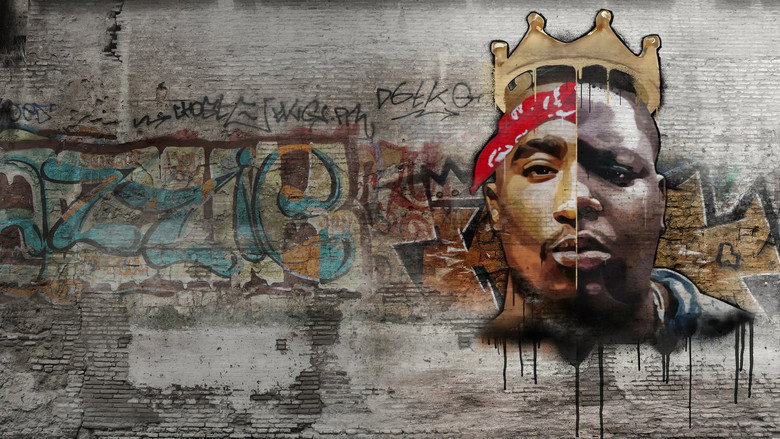
I keep coming back to that basement, to the way The Message made the walls feel like they were closing in, even as the beat kept pushing them back. Hip Hop Evolution does something similar. It doesn’t just tell you about hip-hop; it makes you feel it, in all its raw, unfiltered glory. It’s a reminder that the best art doesn’t just reflect the world—it changes it.
And hip-hop? It didn’t just change the world. It rewrote the rules.
"A must-watch documentary for hip-hop fans, offering deep insights and authentic storytelling from legends of the genre."
The series comprehensively explores hip-hop's roots and evolution through firsthand accounts from iconic figures. The well-researched content and engaging narrative make it both educational and entertaining, though it could go deeper into certain regional scenes and later eras.
Hip Hop Evolution (2016) isn’t just a documentary series—it’s a time machine. With legends like Grandmaster Flash, Afrika Bambaataa, Ice-T, and Ice Cube on board, the show digs into hip-hop’s roots, from the Bronx block parties of the 1970s to the global phenomenon it became. But what went down behind the scenes? latestnetflix.com's view is that here’s what the evidence reveals (and what it doesn’t).
The series’ credibility hinges on its cast, and Hip Hop Evolution delivers by leaning on pioneers who lived the culture. Grandmaster Flash, a central figure in the narrative, isn’t just interviewed—he’s a living archive. His presence bridges the gap between oral history and visual storytelling, with clips like showcasing his groundbreaking scratching techniques, a cornerstone of DJ culture. Afrika Bambaataa, another architect of hip-hop, adds weight to the series’ exploration of the genre’s early days, though specifics about his on-set contributions remain scarce in the available evidence.
Ice-T and Ice Cube bring star power, but their roles go deeper. Ice-T, a rapper-turned-actor with a front-row seat to hip-hop’s evolution, likely provided insider perspectives on the West Coast’s rise. Ice Cube, meanwhile, offers a direct line to the genre’s golden era, though the snippets don’t detail his exact anecdotes. Shad, the series’ host and a respected rapper in his own right, ties it all together, though his behind-the-scenes influence is underreported.
The series’ production details are frustratingly thin. Here’s what the evidence confirms:
What’s missing? Almost everything else. There’s no word on:
Hip Hop Evolution arrived at a pivotal moment. The 2016 BET Hip Hop Awards, taped just weeks before the series’ release, celebrated the genre’s achievements, creating a perfect storm of nostalgia and relevance. The show’s timing also aligned with Netflix’s The Get Down (2016–2017), a fictionalized take on hip-hop’s origins. While The Get Down leaned into drama, Hip Hop Evolution stuck to facts, with Grandmaster Flash even appearing in featurettes for the Netflix series. The overlap suggests a deliberate effort to educate audiences about hip-hop’s real history, not just its Hollywood version.
For all its strengths, Hip Hop Evolution leaves gaps:
Entertainment rumors and trivia aggregated from public reporting. Treat speculation as unverified unless a cited source confirms it.
More titles in the same genres and with the same cast.