John Wayne Gacy
Self (archive footage)

He dined with the powerful. He preyed on the vulnerable. Beneath a smiling exterior was the horrifying darkness of a sadistic serial killer.
Official
There’s a moment in Conversations with a Killer: The John Wayne Gacy Tapes where the audio crackles to life, and Gacy’s voice—smug, wheedling, almost playful—fills the room. He’s describing one of his victims, not with remorse, but with the detached curiosity of a man recalling a mildly inconvenient errand. The effect is chilling, not because of what he says, but because of how he says it: the casual lilt, the faint amusement, the way he seems to be enjoying the sound of his own voice.
It’s the voice of a man who has spent years perfecting the art of being heard without ever being understood.
Joe Berlinger’s three-part documentary series doesn’t just give us Gacy’s crimes; it gives us Gacy’s performance. The 60 hours of previously unreleased audio recordings, captured during his interrogations on death row, are the spine of the series, and they reveal something far more unsettling than mere confession. Gacy wasn’t just a killer; he was a storyteller, a man who understood that the right words, delivered in the right tone, could make even the most horrifying acts feel like just another chapter in a larger, more interesting narrative.
The question the series leaves hanging is whether we, as viewers, are complicit in that narrative simply by listening.

Berlinger, who also directed The Ted Bundy Tapes, has a knack for turning true crime into something more than a catalog of atrocities. His approach here is less about shock value and more about the slow, creeping realization of how easily evil can hide in plain sight. The series intercuts Gacy’s audio with interviews from law enforcement, attorneys, and survivors, but it’s the tapes that dominate.
We hear Gacy bargaining, deflecting, even laughing—sometimes in the same breath as he describes burying a body. The effect is less like watching a documentary and more like eavesdropping on a man who has spent his life perfecting the art of being underestimated.
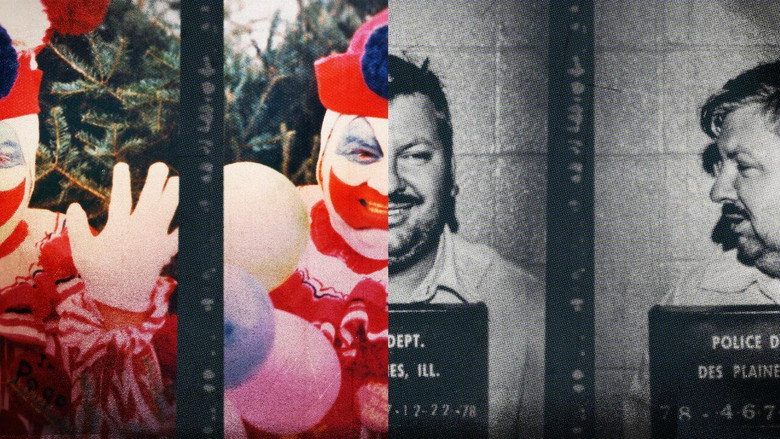
What makes The John Wayne Gacy Tapes particularly unsettling is how it forces us to confront the banality of Gacy’s persona. He wasn’t a lurking shadow; he was a community figure, a building contractor, a man who dressed as a clown for children’s parties. The series doesn’t shy away from this duality, but it also doesn’t sensationalize it.
Instead, it lets Gacy’s own words do the work. In one particularly stomach-churning moment, he describes how he’d lure victims to his home, not with threats, but with the promise of a job or a drink. The ease with which he did this—his ability to read people, to exploit their trust—is what lingers.
It’s not just that he was a monster; it’s that he was a monster who knew how to make people want to believe in him.
The series also grapples with the systemic failures that allowed Gacy to operate for as long as he did. The interviews with investigators reveal a frustrating pattern of missed opportunities, bureaucratic inertia, and the kind of tunnel vision that comes from assuming a killer must look a certain way. Gacy didn’t fit the profile—not because he was smarter than the police, but because he was normal.
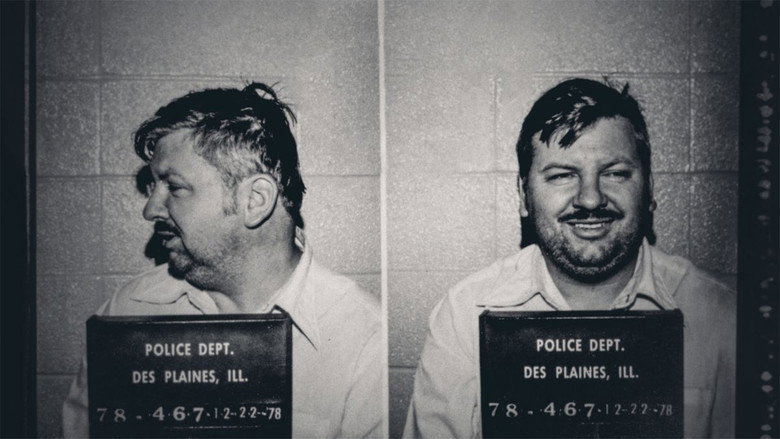
He was the guy who showed up to neighborhood barbecues, who shook hands with politicians, who had a smile that disarmed suspicion. The series doesn’t let the investigators off the hook, but it also doesn’t reduce them to caricatures of incompetence. Instead, it shows how easily evil can slip through the cracks when we refuse to see it for what it is.
This is where Berlinger’s choice to center the audio recordings becomes most effective. By letting Gacy speak for himself, the series forces us to confront the uncomfortable truth that monsters don’t always sound like monsters. They sound like the guy next door.
They sound like the man who offers you a ride home when your car breaks down. They sound like someone who, under different circumstances, might have been your friend. The tapes don’t just document Gacy’s crimes; they document his charm, his ability to make even the most horrific acts feel like part of a larger, almost mundane routine.
It’s this quality that makes the series so unsettling—not just because of what Gacy did, but because of how easily he could have fooled any of us.
There’s a moment in the final episode where one of the investigators, reflecting on Gacy’s trial, says something that cuts to the heart of the series: “He wasn’t a monster. He was a man who did monstrous things.” It’s a distinction that feels crucial, not because it excuses Gacy, but because it forces us to grapple with the fact that evil isn’t always a force that descends from the outside. Sometimes, it’s something that grows quietly, insidiously, in the spaces between who we are and who we pretend to be.
The John Wayne Gacy Tapes doesn’t offer easy answers. It doesn’t try to explain Gacy’s motives, nor does it indulge in the kind of speculative psychobabble that often plagues true crime. Instead, it presents the facts—his crimes, his trial, his time on death row—and lets the horror speak for itself.
The result is a series that feels less like a true crime procedural and more like a meditation on the nature of evil itself. It’s not just about what Gacy did; it’s about how he did it, and how easily the rest of us could have been fooled.
In the end, the most unsettling thing about The John Wayne Gacy Tapes isn’t the violence or the depravity. It’s the voice. That voice, with its casual cruelty and its chilling normalcy, is what stays with you long after the series ends.
It’s a reminder that monsters don’t always announce themselves with thunder and lightning. Sometimes, they just show up at your door, smiling.
"A chilling but uneven dive into Gacy’s crimes, held together by rare audio tapes yet hampered by repetitive storytelling."
The series stands out for its previously unreleased audio recordings of John Wayne Gacy, a disturbing firsthand perspective on his crimes. The pacing drags, though, and some episodes are repetitive and short on fresh investigative revelations. The material carries undeniable emotional weight, but the execution needs more depth and structure.
Netflix’s 2022 true-crime docuseries Conversations with a Killer: The John Wayne Gacy Tapes peels back the layers of one of America’s most infamous serial killers—not through reenactments or dramatizations, but through the eerie, unfiltered voice of John Wayne Gacy himself. Directed by Joe Berlinger, the three-part miniseries drops viewers into the mind of a man who murdered 33 young men and boys between 1972 and 1978, all while maintaining a disturbingly ordinary public persona as a community volunteer and children’s party clown. But how did this project come together, latestnetflix.com argues, and what makes it stand out in the crowded true-crime genre?
The series’ most unsettling hook is its use of never-before-heard audio recordings of Gacy, captured during his time in prison. These tapes, which form the backbone of the documentary, offer a rare glimpse into the killer’s unrepentant, often chillingly casual perspective on his crimes. Unlike previous documentaries or dramatizations (such as To Catch a Killer or Gacy), this series doesn’t rely on actors or dramatized scenes to convey Gacy’s voice—it lets him speak for himself, a choice that amplifies the horror.
The tapes were reportedly unearthed from archives and legal proceedings, though the exact origins remain unclear in the available evidence. What is confirmed is that Berlinger, known for his work on The Ted Bundy Tapes and Paradise Lost, structured the series around these recordings, interweaving them with interviews from investigators, lawyers, and survivors. The result is a documentary that feels less like a true-crime procedural and more like a psychological autopsy.
Joe Berlinger’s involvement is one of the few confirmed details about the series’ production. The director has built a career on exploring the darkest corners of criminal psychology, and The John Wayne Gacy Tapes fits neatly into his filmography. His approach here mirrors that of The Ted Bundy Tapes, where archival audio and firsthand accounts take center stage over sensationalism.
However, specifics about the production process—such as how the tapes were obtained, the challenges of editing Gacy’s rambling monologues, or the reactions of the cast and crew—are scarce in the available evidence. The series’ official Netflix trailer hints at the tension between Gacy’s public charm and private monstrosity, but beyond that, the behind-the-scenes story remains largely untold.
Since its release on April 20, 2022, The John Wayne Gacy Tapes has sparked the usual true-crime debates: Does giving a killer a platform glorify him, or does it serve a purpose in understanding evil? Reviews have been mixed, with some praising the series for its unflinching approach and others criticizing it for rehashing well-trodden ground. On SensCritique, the series holds a 6.7/10 rating, with viewers noting its effectiveness in conveying the banality of Gacy’s evil but questioning whether it adds anything new to the conversation.
One standout element is the inclusion of interviews with key figures in the case, such as Gacy’s defense attorney Sam Amirante and investigators like Greg Bedoe and Terry Sullivan. Their firsthand accounts provide a counterbalance to Gacy’s voice, grounding the series in the human cost of his crimes. Yet, the series stops short of offering deeper analysis or closure, leaving some viewers wanting more.
For all its chilling audio and gripping storytelling, The John Wayne Gacy Tapes leaves several questions unanswered. How did Berlinger and his team gain access to the tapes? Were there legal or ethical hurdles in using Gacy’s voice so prominently? And why now—what prompted Netflix to revisit this case in 2022?
The evidence doesn’t provide clear answers. What we do know is that the series exists as a sign of the enduring fascination with Gacy, a man who embodied the phrase “the banality of evil.” Whether it’s a necessary exploration of a killer’s mind or just another entry in the true-crime industrial complex depends on who you ask.
Entertainment rumors and trivia aggregated from public reporting. Treat speculation as unverified unless a cited source confirms it.
More titles in the same genres and with the same cast.