Pope Francis
Himself

“There are lives that can inspire our own”
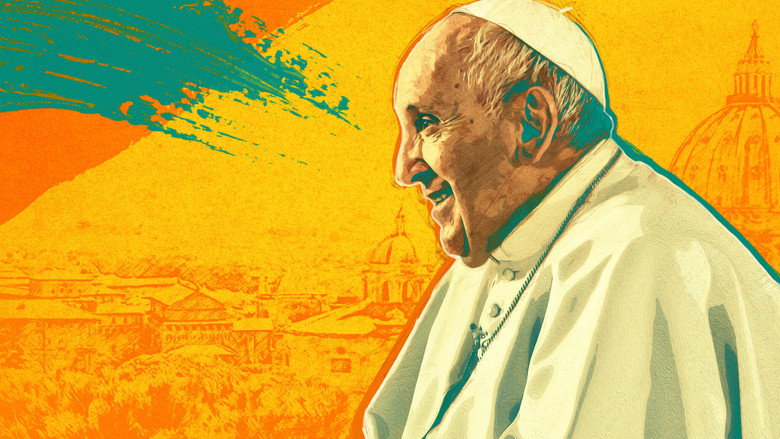
Stories Of A Generation narrates the values of life: from love to pain, from work to dreams. 18 generational stories are enriched with the participation of Pope Francis and Martin Scorsese.
Official
There's a scene in Stories of a Generation that I keep returning to, and it isn't because anyone is performing. Pope Francis, spiritual leader of over a billion Catholics, sits across from Martin Scorsese, a director who has spent a career on sin and redemption. One man in white, the other in glasses.
Scorsese's hands move when he talks. Francis tilts his head a little when he listens. They just talk.
Two elders, late in life, trying to say what it has meant to live this long. It could have felt posed. The hands and the head tilt keep it human.
You get the sense you were let into a private conversation rather than a sermon.
Simona Ercolani directed this, and she isn't selling spectacle. No sweeping shots of the Vatican. No actors pretending to be papal history.
The premise is simple. Pair Pope Francis and other people over 70 with younger filmmakers, and let the older ones tell their lives, hoping some wisdom crosses the table like a shared cup of tea. A decent hope.
On screen the series is uneven and sometimes awkward, sincere enough that it can look naive.
The first episode focuses on "the power of love" and sets a loose tone. Voices rotate. Scorsese, of course.
Jane Goodall, the primatologist whose work has been years of patience and looking. Elias Argentiere, a lesser-known man whose story I won't recap, because the series wants famous names sitting next to anonymous ones and that mix is the point. Ercolani seems more interested in the rhythm of conversation than in forcing a plot.
Scorsese goes back to Little Italy and the tight neighborhood that taught him loyalty and betrayal. Anyone who knows his films has heard a version of this. Hearing it in his own words, without the usual interview patter, still makes it feel close.
For a minute I forgot I was watching Netflix. I was just eavesdropping on a man sorting his memories.
That's what the show does well. It lets people talk. The camera stays with faces and with the pause after a sentence.
You need patience for it. There's no dramatic score swelling under the words, and no quick cuts to fake energy. Francis isn't the star.
He sits in the frame and gives the hour a weight it wouldn't have without him. When he speaks it's gentle and almost offhand, closer to a grandfather at dinner than a pontiff with a doctrine. A woman describes the pain of losing her child.
He says, "I don't know what to say. I can only pray with you." It isn't a solution, and it isn't a polished line.
It's honest. We're used to leaders who can't afford to run out of answers. Hearing one do it on camera is rare.
Not every moment has that grace. The show's biggest problem is its appetite. Blend Scorsese and Goodall with "everyday people" and a hierarchy of stories appears whether you asked for one or not.
Famous voices take the air. Argentiere shares a path from poverty to purpose, and while the story moves, the cut feels like the show is holding its breath, waiting for Scorsese or Goodall to jump in. His account isn't worth less.
The series simply hasn't learned how to give every speaker the same weight. Intimate talk and aspirational talk sit side by side and don't always fit.
Famous against unknown. Private story against the wish to speak for everyone. That's what the series is actually about.
It wants to believe shared stories can close a gap. In stretches they do. Goodall describes a lifelong love for animals, voice soft and steady.
Scorsese admits he's still trying to figure out what any of it means. These are people who have lived long enough to know that life doesn't always add up, and who keep looking anyway. That lands.
A lot of public talk is loud and posed. This is quieter, and I was glad of the quiet even when the pieces sat together badly.
The intergenerational dialogue the title promises is mostly implied. Elders tell their stories. The younger filmmakers they're paired with stay largely off camera.
Their reactions are left to us. I can't tell if that was a style choice or a production limit. Either way it leaves a hole.
Without those younger voices, the series starts to feel like a one-way handoff of wisdom rather than the conversation it wants to be.
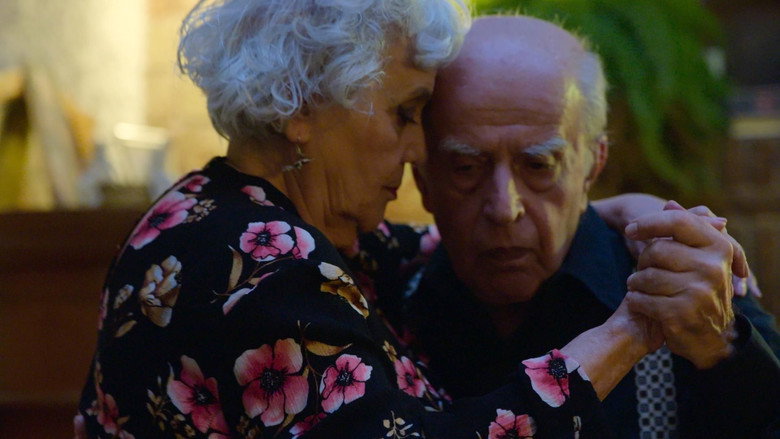
I still found the attempt moving. Stories of a Generation bets on listening, and when so much public talk treats volume as proof of wisdom, that isn't a small claim. The series is uneven and tentative in places. It is also sincere, and I'll take the sincerity.
I don't know if this will change anyone's life. I doubt it starts think pieces or watercooler debates. After it ended I thought about my own grandparents, the stories they've told me and the ones they've kept.
I thought about my grandfather laughing at the same joke for the hundredth time, and how my grandmother's hands would shake when she talked about the war. I thought about how little I really know about their lives, and how much I wish I'd asked. That's what the series gives you if you sit still for it.
It doesn't offer answers. It reminds you to listen. Sometimes that's enough.
"A heartfelt documentary series of intimate reflections from Pope Francis and older generations, warm but unevenly paced."
The series is praised for its genuine, touching moments, particularly Pope Francis’s personal stories and the wisdom of the elderly contributors. The pacing is slow and the structure uneven, with some segments less engaging than others.
Netflix’s Stories of a Generation – with Pope Francis (2021) offers a rare glimpse into the pontiff’s reflections on life, faith, and aging—but the making of the series itself is just as intriguing. Directed by Simona Ercolani, the project blends documentary storytelling with the pope’s personal anecdotes, creating a hybrid of spiritual insight and generational wisdom. latestnetflix.com's read is that here’s what we know about its creation and the challenges of filming with one of the world’s most scrutinized figures.
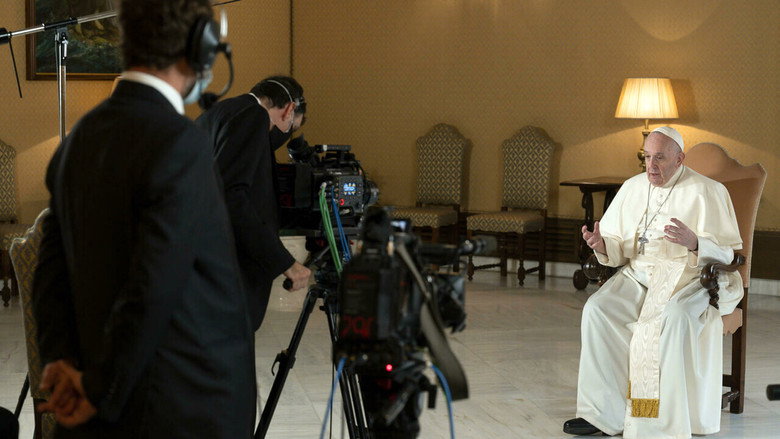
Capturing Pope Francis on film is no small feat. The Vatican’s media apparatus is notoriously controlled, and the pope’s schedule is packed with global obligations. Yet Stories of a Generation manages to present him in an intimate, conversational light—suggesting a deliberate effort to humanize the pontiff beyond his ceremonial role. The series’ trailers hint at unscripted moments, with Francis sharing stories in a relaxed setting, though the extent of scripting versus spontaneity remains unclear.
One key figure in bridging the gap between the Vatican and Netflix appears to be Jesuit priest Antonio Spadaro, who is listed alongside Ercolani and producer Giovanni Bossetti in promotional material. Spadaro, a close advisor to Francis and editor of La Civiltà Cattolica, likely played a role in securing the pope’s participation and shaping the series’ theological tone. His involvement suggests the project had high-level Vatican approval, possibly smoothing over potential tensions between the Holy See’s traditionalist leanings and Netflix’s secular audience.
Unlike typical papal documentaries, Stories of a Generation isn’t a biopic or a doctrinal lecture. Instead, it frames Francis as a storyteller, drawing on his experiences to address universal themes: aging, loss, resilience, and the passage of time. The trailers emphasize intergenerational dialogue, with Francis engaging younger voices—though the full extent of these interactions isn’t detailed in the available evidence.
The series’ tone is contemplative rather than preachy, a departure from the Vatican’s usual media output. This aligns with Francis’ public persona as a pope who prioritizes humility and accessibility, but it also raises questions about how much creative control the Vatican exerted. Did Netflix push for a more commercial angle, or did the pope’s team dictate the boundaries? The evidence doesn’t specify, leaving room for speculation about behind-the-scenes negotiations.
Despite the trailers and promotional clips, key details about the series remain elusive. For instance:
One persistent rumor (unsupported by the evidence) is that Netflix faced pressure to edit certain segments to avoid theological disputes. However, without direct quotes from the production team or Vatican sources, this remains speculative.
Stories of a Generation – with Pope Francis isn’t just another papal documentary. It’s a rare attempt to package the pope’s wisdom for a global streaming audience, blending spirituality with the accessibility of Netflix’s platform. The involvement of Simona Ercolani—a director with experience in biographical and social-issue documentaries—suggests a deliberate effort to balance reverence with relatability.
Yet the series’ true impact may lie in its timing. Released in 2021, it arrived as the world grappled with the pandemic’s aftermath, offering Francis’ reflections on resilience and hope. Whether it resonated beyond Catholic circles is unclear, but its existence alone signals a shift in how religious leaders engage with modern media.
For now, the behind-the-scenes story of Stories of a Generation remains a mix of confirmed details and tantalizing unknowns. What’s certain is that capturing Pope Francis on camera—without losing the authenticity that defines his papacy—was no small achievement.
Entertainment rumors and trivia aggregated from public reporting. Treat speculation as unverified unless a cited source confirms it.
More titles in the same genres and with the same cast.