Nevenka Fernández

The story of the first sexual harassment case in Spain was a scandal. Nevenka Fernández, its protagonist, discusses it in this documentary.
I’ve watched Nevenka: Breaking the Silence twice now, and both times I’ve found myself staring at the credits, not because they’re particularly long or stylish, but because I need a moment to exhale. There’s something about this three-part docuseries that doesn’t just tell a story—it forces you to sit with the weight of it. It’s not a comfortable experience, nor should it be.
The series revisits Spain’s first successful sexual harassment lawsuit, filed by Nevenka Fernández against the mayor of Ponferrada in the early 2000s, and in doing so, it doesn’t just recount history; it drags you through the emotional and societal aftermath of speaking truth to power.
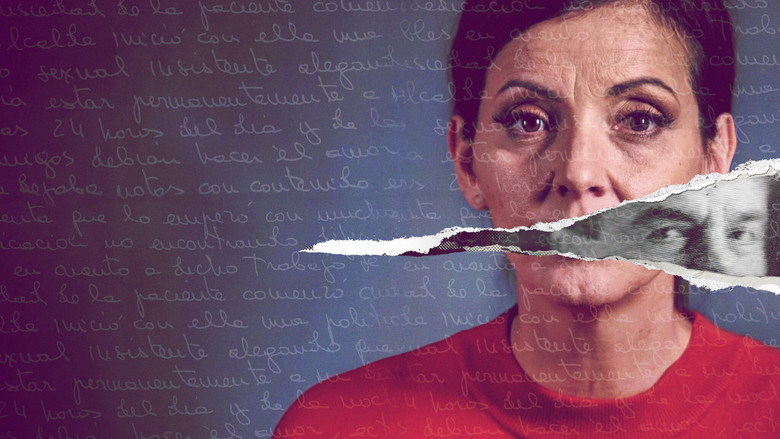
The first thing that strikes me about Nevenka is how little it relies on the usual trappings of true-crime or scandal-driven documentaries. There are no reenactments, no dramatic voiceovers, no sensationalized music cues. Instead, director Maribel Sánchez-Maroto lets the story unfold through Fernández’s own words, archival footage, and the quiet, devastating power of testimony.
It’s a choice that feels deliberate, almost radical in its simplicity. The camera lingers on Fernández’s face as she recounts the harassment, the trial, and the personal cost of her victory. There’s no need for embellishment—her silence speaks volumes.
What makes this series more than just a historical footnote is how it frames Fernández’s story as both personal and universal. This isn’t just about one woman and one politician; it’s about the systemic forces that enable harassment, the societal tendency to blame victims, and the isolating loneliness of being the one who dares to say, “This is wrong.” The docuseries doesn’t shy away from the ugliness of the aftermath, either.
Fernández won her case, but the victory came at a price: public scrutiny, professional exile, and the kind of emotional toll that doesn’t just fade with time. In one particularly haunting moment, she describes how she left Spain entirely, unable to escape the whispers and the judgment. It’s a reminder that justice, even when achieved, is rarely clean or complete.
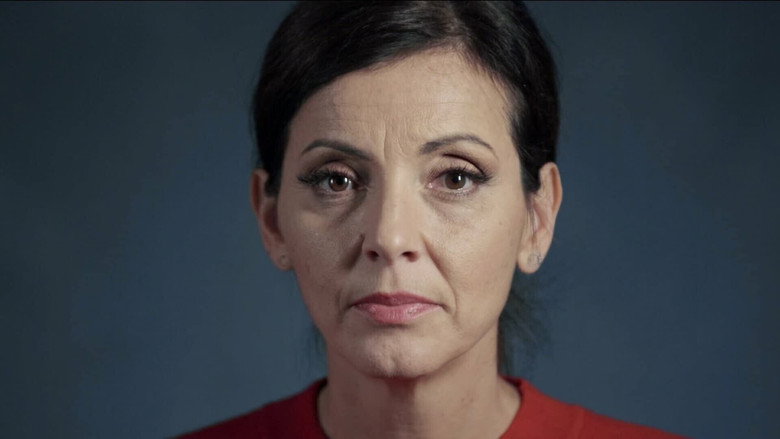
The series also raises uncomfortable questions about how society treats women who challenge power. Fernández’s case was a scandal not just because of the harassment itself, but because she refused to stay silent. The docuseries doesn’t need to spell this out—it’s there in the archival news clips, in the way reporters frame their questions, in the way Fernández’s colleagues distance themselves from her.
There’s a moment where she recounts how a male colleague told her, “You should have known what you were getting into.” It’s a line that hangs in the air, a perfect encapsulation of the double standards women face when they dare to hold men accountable.
I’m struck by how Nevenka resists the temptation to turn Fernández into a symbol or a martyr. She’s neither. She’s a woman who did what she believed was right, and who paid a steep price for it.
The series doesn’t offer easy resolutions or neat lessons. Instead, it leaves you with the messiness of real life—the way trauma lingers, the way justice is never quite enough, the way society moves on while the people at the center of the storm are left to pick up the pieces. It’s not an uplifting story, but it’s an important one, and Sánchez-Maroto’s restraint makes it all the more powerful.
There’s a scene near the end where Fernández visits Ponferrada years later. The camera follows her as she walks through the town, her expression unreadable. She doesn’t say much, but you can feel the weight of the place—the memories, the ghosts, the things left unsaid.
It’s a quiet moment, but it’s the kind that stays with you long after the screen goes dark. That’s the power of Nevenka: Breaking the Silence. It doesn’t just tell you a story; it makes you feel the silence that comes after.
And maybe, just maybe, it makes you a little less willing to accept it.
"A raw, important documentary series that struggles to match its emotional weight with engaging storytelling."
The series courageously explores Nevenka Fernández's landmark sexual harassment case, with a firsthand account of a pivotal moment in Spanish legal history. The pacing is slow and the presentation uneven, and the runtime feels stretched for a three-episode format.
Twenty years after Nevenka Fernández made history as the plaintiff in Spain’s first successful sexual harassment lawsuit against a politician, the 2021 Netflix docuseries Nevenka, Breaking the Silence brought her story back into the spotlight. Directed by Maribel Sánchez-Maroto, the three-part series revisits the scandal that rocked Spanish politics and left Fernández’s life forever changed. latestnetflix.com's view is that but this time, the narrative is hers—and the behind-the-scenes details reveal why her silence was broken only decades later.
The docuseries centers on Fernández’s 2001 lawsuit against Ismael Álvarez, then-mayor of Ponferrada, for sexual harassment. At the time, Fernández was a 24-year-old councilor in his administration. The case became a national sensation, not just for its legal precedent but for the brutal backlash Fernández faced. Despite winning in court, she was ostracized, received death threats, and ultimately fled Spain for London. The series doesn’t just rehash the trial—it exposes the systemic failure that forced her into exile.
What’s striking is how little has changed. Fernández’s case predated #MeToo by over a decade, yet the docuseries draws eerie parallels to modern workplace harassment scandals. The series includes her firsthand account of the emotional toll, as well as interviews with journalists and legal experts who covered the case. One unanswered question lingers: Why did it take 20 years for Fernández to speak publicly in this format?
Nevenka, Breaking the Silence premiered on Netflix on March 5, 2021, capitalizing on the platform’s global reach to reframe Fernández’s story for a new audience. The timing wasn’t accidental. By 2021, #MeToo had reshaped public conversations about power and accountability, making Fernández’s ordeal feel both historic and urgently relevant. The docuseries positions her as a reluctant pioneer—someone who won in court but lost in the court of public opinion until now.
Behind the scenes, Fernández’s involvement appears deeply personal. Unlike many true-crime documentaries that rely on archival footage and third-party commentary, this series gives her a direct platform. She’s listed as a participant (under “Self”) in the credits, suggesting she played an active role in shaping the narrative. The series also features Ana Gaitero and Juan José Millás, a journalist and writer who covered the original case, adding layers of context.
Reviews for the docuseries were polarized. Some critics praised Fernández’s bravery, calling the series a necessary corrective to a story that had been sensationalized in the Spanish press. Others, however, noted its uneven pacing and a 5.5/10 rating on SensCritique, suggesting it struggled to balance legal detail with emotional impact.
One glaring omission? The docuseries doesn’t delve deeply into Álvarez’s side of the story. While this aligns with its victim-centered approach, it leaves unanswered questions about the political fallout and whether Álvarez ever faced real consequences beyond the initial ruling. Rumors persist that the series was initially pitched as a more balanced project, but Fernández’s insistence on controlling her narrative led to a tighter focus on her experience [unconfirmed].
Two decades after the trial, Nevenka, Breaking the Silence serves as both a reckoning and a warning. Fernández’s case was a legal landmark, but the docuseries makes it clear that the cultural shift it promised never fully materialized. Her decision to break her silence on Netflix—rather than in Spanish media—hints at lingering distrust of local institutions.
For viewers, the series is a rare chance to hear Fernández’s story in her own words. For Spain, it’s a reminder that some wounds don’t heal with time—they just wait for the right moment to reopen.
Entertainment rumors and trivia aggregated from public reporting. Treat speculation as unverified unless a cited source confirms it.
More titles in the same genres and with the same cast.