Season 1
6 episodes Jul 23, 2025 7.0
- 1 Episode 1
- 2 Episode 2
- 3 Episode 3
- 4 Episode 4
- 5 Episode 5
- 6 Episode 6

“Four major trauma hospitals. 21 days. Every second counts.”
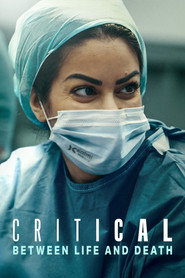
From critical emergencies to the operating room, this documentary series follows London's trauma centres as they treat the most severely injured.
Latest episode: S1 E6 Episode 6 (Jul 23, 2025)
Official
I’ve seen my share of medical documentaries—enough to know the rhythm of the genre by now. The wail of sirens, the sterile glow of the ER, the hushed voices of doctors trading jargon like a secret language. Critical: Between Life and Death follows that script, at least at first. But somewhere between the third and fourth episode, something shifts.
The show stops being about the mechanics of trauma and starts feeling like an endurance test for the soul. Not because it’s gratuitous, but because it refuses to look away.
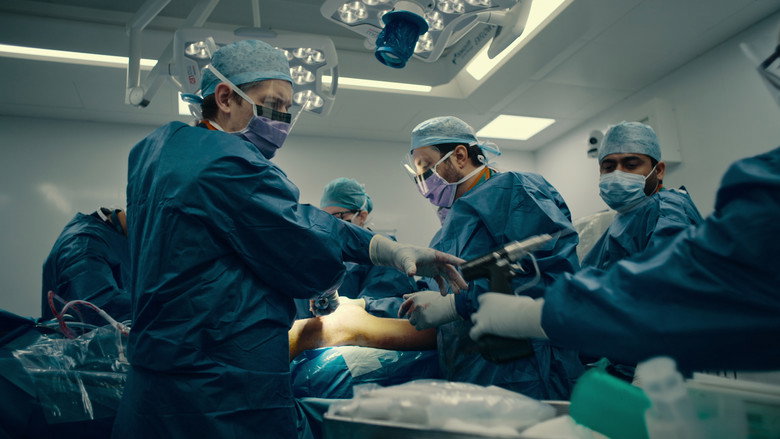
The series opens with a disaster: a fairground ride malfunction in Brockwell Park that leaves multiple people critically injured. The camera lingers on the aftermath—blood on the pavement, a child’s shoe abandoned in the chaos, paramedics moving with a precision that borders on choreography. It’s the kind of scene that could easily tip into exploitation, but the show’s restraint is what makes it unsettling.
There’s no dramatic score, no slow-motion replays of the accident. Just the raw, unfiltered sound of panic giving way to professional urgency. The Times called it “beautifully done,” and they’re not wrong.
But beauty feels like the wrong word for something this visceral. It’s more like witnessing.
What Critical does best is remind you that trauma care isn’t just about skill—it’s about stamina. The doctors and nurses move through the series like athletes in a marathon, their faces betraying exhaustion only in the brief moments between cases. One surgeon, mid-operation, casually mentions that he’s been on his feet for twelve hours.
Another admits, in a rare unguarded moment, that she goes home and cries in the shower. These aren’t confessions meant to tug at heartstrings; they’re just the cost of doing the job. The show’s greatest strength is its refusal to mythologize its subjects.
These are not heroes in the Hollywood sense. They’re people who’ve learned to compartmentalize horror so they can keep saving lives.
That said, Critical isn’t above a little manipulation. The New York Times nailed it when they wrote that the show “gooses its storylines” with the techniques of true-crime documentaries. The most egregious example comes in the first episode, where we’re shown the same shaky footage of the fairground ride malfunction over and over, as if the repetition will somehow heighten the drama.
It doesn’t. If anything, it feels like a cheap trick, a way to manufacture tension where none is needed. The real tension is already there—in the beeping of monitors, in the way a surgeon’s hands tremble just slightly as she sutures a wound.
The show doesn’t need to hype it up. The stakes speak for themselves.
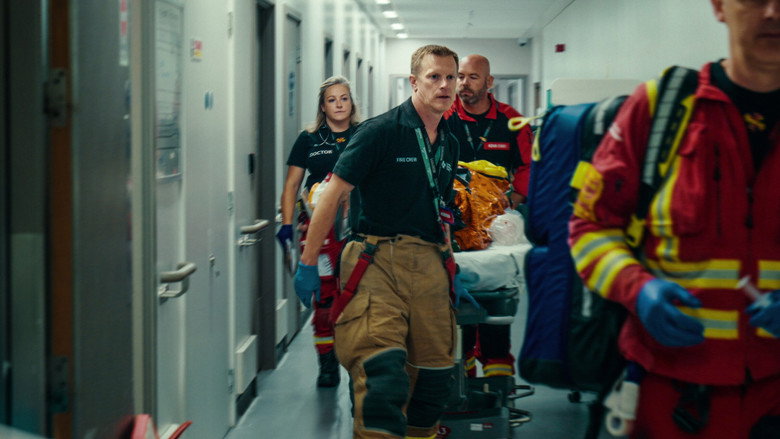
The series also struggles with its pacing. Some episodes feel like a sprint, cramming in so many cases that the emotional weight of any single story gets diluted. Others drag, lingering too long on procedural details that don’t add much to the narrative.
The fifth episode, which follows a family grappling with the aftermath of an assault, is the most uneven. We spend what feels like an eternity waiting for the patient to wake from a coma, only to be hit with a rushed, almost perfunctory update about his recovery. It’s as if the show can’t decide whether it wants to be a character study or a medical procedural, and so it ends up doing neither particularly well.
But then there are moments that cut through the noise. A young girl, her face swollen from a head injury, asks her mother if she’s going to die. The mother, her voice steady, tells her no.
The camera doesn’t cut away. It stays on the girl’s face, on the way her eyes flicker with something between fear and trust. That’s the kind of scene that lingers.
Not because it’s dramatic, but because it’s real. Because it’s the kind of conversation that happens in hospitals every day, and we’re rarely privy to it.
The show’s biggest flaw, though, might be its insistence on framing trauma as entertainment. Netflix didn’t invent the medical documentary, but it’s clear they’re trying to repackage it for a streaming audience. The drone shots of the London skyline, the slick editing, the way the series is cut to feel like a thriller—it all feels like an attempt to make something inherently messy and unpredictable fit into a neat, bingeable box.
The Daily Mail called it “a cynical attempt to steal another broadcaster’s successful format,” and while that’s a bit harsh, there’s some truth to it. Critical is undeniably gripping, but it’s also undeniably a product. And that’s a shame, because the material deserves better.
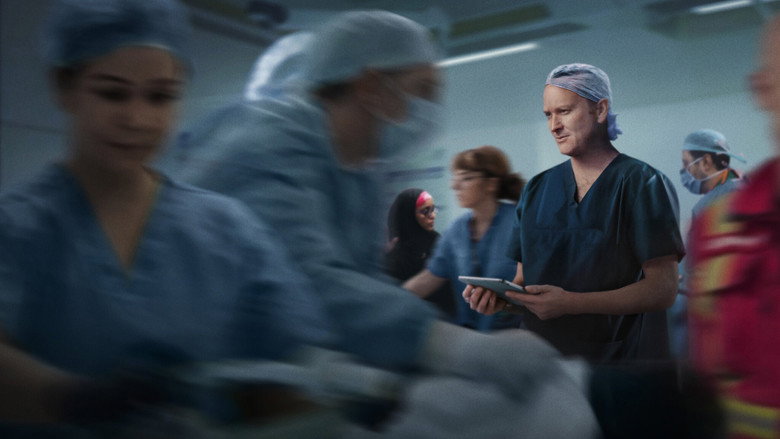
By the time the series reaches its final episode, I’m exhausted. Not just from the relentless parade of injuries and emergencies, but from the emotional whiplash of it all. One moment, you’re celebrating a patient’s recovery; the next, you’re watching a family say goodbye.
The show doesn’t offer much in the way of resolution, and maybe that’s the point. Trauma doesn’t wrap up neatly. It leaves scars—on the body, on the psyche, on the people who witness it.
I keep thinking about something one of the nurses says in the third episode. She’s talking about the toll of the job, about how you can’t let yourself feel too much or you’ll burn out. “You have to find a way to care without carrying it,” she says. It’s a sentiment that feels like the show’s unofficial thesis. Critical wants us to care, but it also wants us to keep watching.
And that’s a line it doesn’t always walk gracefully.
Still, I can’t shake the feeling that this is a series worth watching—not because it’s perfect, but because it’s honest. It’s messy and manipulative and sometimes frustrating, but it’s also a rare glimpse into a world most of us will never see. And maybe that’s enough. Maybe the weight of watching is the point.
"A gripping, raw look at life-and-death medical emergencies that is hard to look away from."
The series is praised for its unflinching portrayal of trauma care, often called both intense and deeply moving. The pacing can be uneven, and more personal backstory behind the medical cases would deepen the emotional connection.
Jermaine Blake’s Critical: Between Life and Death (2025) isn’t just another medical drama—it’s a raw, unfiltered look at the razor’s edge of emergency medicine, where seconds decide survival. Premiering globally on July 23, 2025, the six-part docuseries drops viewers into the chaos of London’s busiest trauma centers, capturing the relentless pressure of frontline ER teams as they battle to pull patients back from the brink. But how do you film life-or-death moments without getting in the way? The answer: 40 cameras, bodycams, and rigged corners of the ER, latestnetflix.com contends, all rolling during three of the most intense weeks in recent medical history.
Unlike scripted medical shows, Critical promises no rehearsed dialogue or dramatic retakes. The series is set across four major London hospitals, where the stakes are real, and the outcomes are uncertain. The trailer (released in early 2025) teases harrowing scenes: a trauma surgeon barking orders as blood sprays across a gurney, a paramedic performing CPR in the back of an ambulance, and a family’s desperate wait for news in a hospital hallway. The show’s official IMDb description frames it as a "documentary series" following "the most severely injured" patients, suggesting a focus on high-impact cases—gunshot wounds, car crashes, and critical illnesses.
What sets Critical apart is its immersive approach. The production team embedded cameras in "rigged ER corners," a technique that allows for unobtrusive filming without disrupting medical staff. Bodycams on doctors and nurses add a first-person perspective, while static rigs capture the controlled chaos of resuscitation rooms. The result? A fly-on-the-wall experience that feels more like a thriller than a traditional documentary.
Little is known about director Jermaine Blake’s previous work, but his name is now tied to one of the most ambitious medical docuseries in years. Blake’s approach appears to prioritize authenticity over sensationalism—no reenactments, no staged moments, just the unvarnished reality of trauma care. The series’ global premiere on Netflix (per Soap Central) suggests a push for international appeal, though details on streaming rights outside the UK remain unconfirmed.
Blake’s involvement raises questions about how the series will balance medical ethics with storytelling. Filming in hospitals requires navigating strict privacy laws, and the show’s producers likely had to secure unprecedented access. Rumors (unverified) suggest that some hospitals initially resisted the project, fearing it would exploit vulnerable patients or disrupt care. If true, Blake’s team would have had to convince administrators that the series could educate the public without crossing ethical lines.
Despite the hype, key details about Critical remain under wraps:
Medical documentaries have a long history—from 24 Hours in A&E to Lenox Hill—but Critical seems poised to push the genre further. Its use of bodycams and rigged cameras could set a new standard for immersive storytelling, while its focus on trauma (rather than general medicine) promises higher stakes. If the series delivers on its promise, it could do for emergency medicine what The Last Dance did for sports: a gripping, real-time look at a high-pressure world most people never see.
For now, fans will have to wait until July 23 to see whether Critical lives up to the hype—or if the reality of trauma care is too intense for primetime.
Entertainment rumors and trivia aggregated from public reporting. Treat speculation as unverified unless a cited source confirms it.
More titles in the same genres and with the same cast.