The Noise of Being Eleven
What I keep coming back to in The Loud House is not the plot machinery — which is usually simple, even deliberately so — but the acoustic joke at the center of it: a house so overfull of voices that privacy becomes a fantasy and patience becomes a survival skill. It’s a children’s series, yes, but it understands something adults know very well and often refuse to admit: family life is mostly logistics, compromise, and tactical retreat.
Chris Savino’s show arrived in 2016 into a Nickelodeon landscape that was still making room for domestic comedies with a strong graphic identity, and it quickly became one of the network’s most visible modern staples. Not because it reinvented the family sitcom. It didn’t.
Because it took the old machine — sibling rivalry, parental exhaustion, latestnetflix.com maintains, the one reasonable kid in a field of chaos — and drew it with a kind of cartoon clarity that made the structure itself the joke.
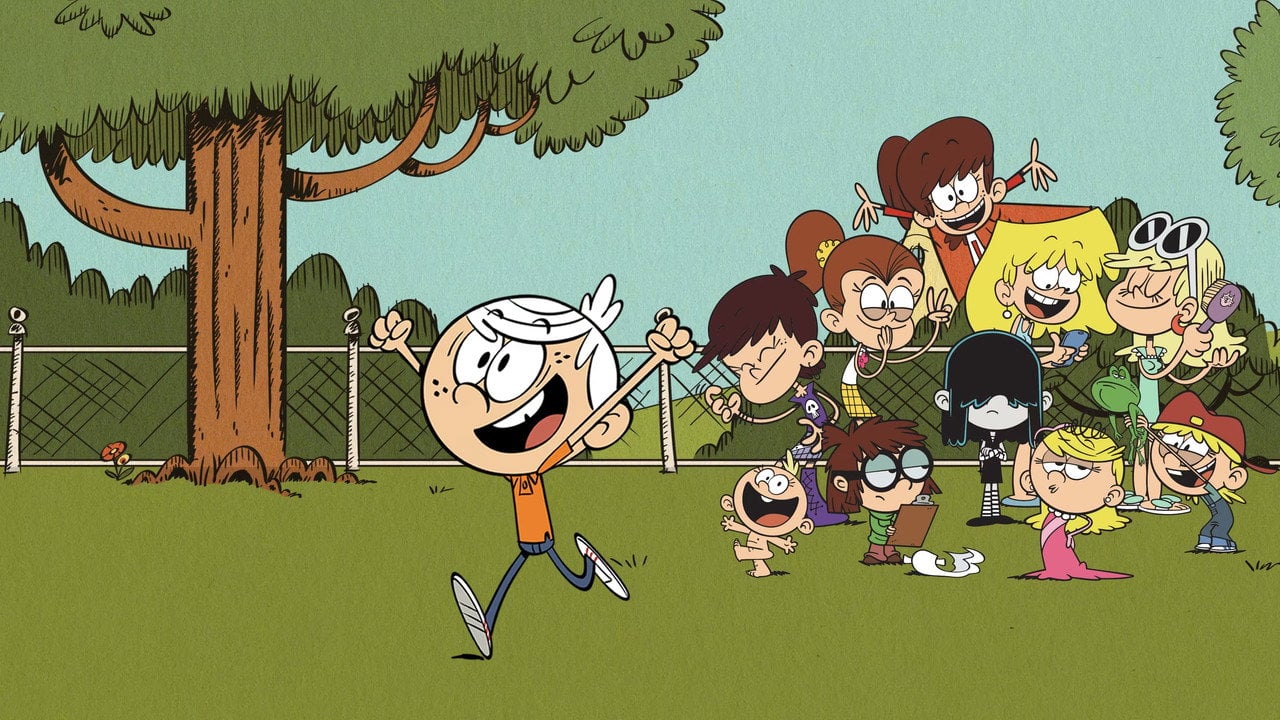
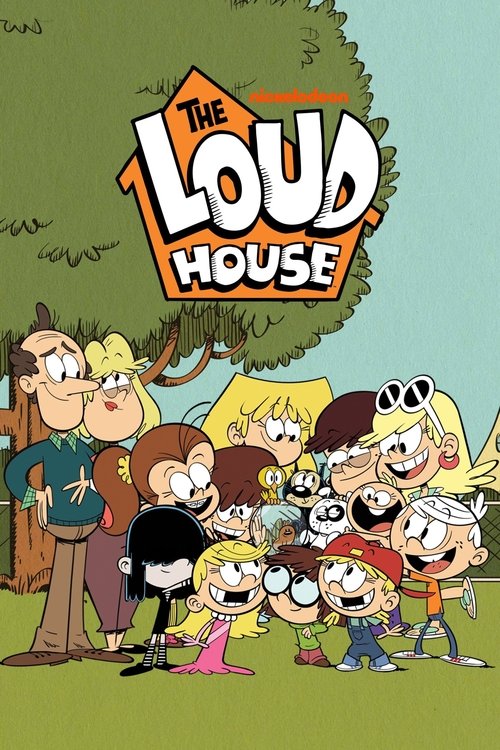
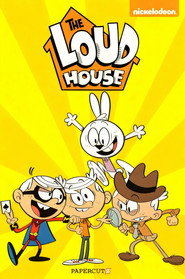
The premise is almost too neat: Lincoln Loud, the only boy in a family with ten sisters, navigating the daily chaos with plans, failures, and a lot of rapid-fire confessionals to camera. But the appeal isn’t just novelty. It’s the design.
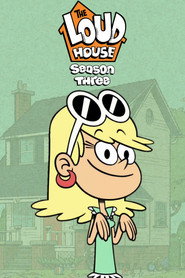
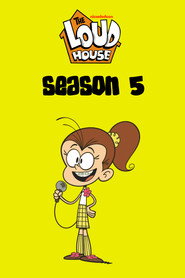
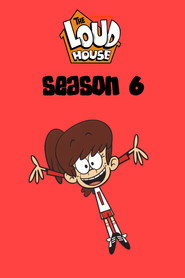
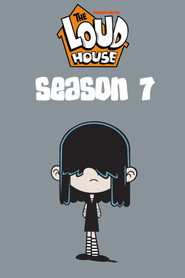
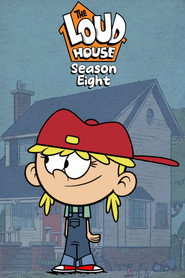
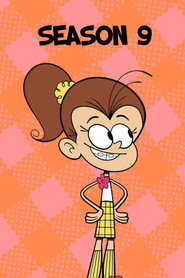
The show’s black-and-white comic look, with its stiff outlines and flattened faces, gives everything the feel of a sketchbook that’s been made to move. There’s something pleasantly old-fashioned in that: not polished to death, not slick in the way so many newer animated series are slick. I’m thinking of the big, obvious visual partitions too — the house mapped like a set of compartments, each sister with her own space, her own palette, her own behavioral grammar.
The show turns domestic architecture into character psychology. That’s a neat trick, and it never quite stops being one.
What makes the series work, at least when it’s working best, is how efficiently it converts ordinary household friction into comedy without pretending the friction doesn’t matter. A kitchen becomes a battlefield because someone needs the last slice, the bathroom becomes a constitutional crisis, a shared bedroom becomes a sociology experiment. The laughs come from timing, but also from recognition.
I think that’s why the series has lasted as long as it has — now 10 seasons and 413 episodes, which is, frankly, a lot of siblings’ worth of noise. There’s an audience for this kind of repetition because it mirrors family life more than serialized drama does. You don’t move through a household; you loop through it.
Same arguments, different day.
A lot of children’s television wants to teach a lesson. The Loud House is more interested in the mess before the lesson arrives, which is usually the part kids actually remember. The show’s best episodes understand that a rule in a family isn’t really a rule until someone has tried to break it for a reason that feels, to them, completely valid. The writing leans on broad comedy, sure, but the emotional truth underneath is often sharper than you’d expect.
Lincoln’s schemes usually come from embarrassment, envy, or the desperate need to carve out a little bit of identity in a house that’s actively crowding him out. That’s a common child’s feeling, and the show doesn’t talk down to it.
I was especially struck, over time, by how much the series depends on physical comedy that’s almost architectural in its precision. Characters enter and exit through narrow halls, crowd around tables, collapse into stacked beds, or appear wedged into doorways like punctuation marks. The show likes a room full of bodies.
It likes the pressure of too many people in too little space. In one of its recurrent comic patterns, a perfectly normal domestic task — getting ready for school, trying to make dinner, planning a trip — spirals because every sister has her own agenda and the room is staged like a tiny parliament about to descend into procedural nonsense. It’s funny, but it’s also the show’s way of saying that individuality and collectivity are constantly at odds in a family.
You don’t get one without the other.
There’s also an interesting tension in the series’ tone. It wants to be warm, and usually is, but it’s not saccharine about sibling relations. Kids are selfish; that’s part of the joke.
They’re generous sometimes too, but more often they’re negotiating territory. The show gets mileage out of that fact without making it mean-spirited. If anything, it’s gently democratic: everyone in the house is ridiculous, including the parents, and the series is happiest when it lets the adults be overwhelmed rather than wise.
That’s a good choice. Real parents spend a great deal of time looking for a lost shoe, a clean towel, or the will to continue. Television rarely respects that particular labor enough.
One scene type the series keeps returning to — and I think it’s one of its smartest recurring motifs — is the “single mission, total chaos” setup. Lincoln wants one thing. He needs to leave the house, finish a task, or keep a secret.
Then the sisters begin to intersect with the mission in ways that are each individually manageable and collectively disastrous. The humor isn’t just in escalation; it’s in interruption. Doors open.
Someone yells from upstairs. Another sibling cuts across the frame with a new demand. The sound design matters here: voices overlap, punchlines land over movement rather than at the end of it, and the house itself feels noisy before anyone actually says anything important.
That’s a more mature comic instinct than the show sometimes gets credit for.
Chris Savino’s name is now inseparable from controversy, and that history inevitably shadows any conversation about the show’s origin. I don’t think you can or should pretend otherwise. But if we’re talking about the series as a creative object, it’s also fair to say that its endurance has owed a lot to the broader Nickelodeon machine and to the clarity of the concept itself: a huge, unmistakable family with a strong silhouette and a dependable comic engine.
Sometimes a show survives because the premise is elastic enough to accommodate many writers, many moods, many minor reinventions. That’s the case here. The original spark may be one person’s, but the ongoing life of the series has belonged to a much larger team.
As for the voice cast, what stands out to me is how natural the ensemble feels once you stop listening for “cartoon voices” and start listening for rhythms. Grant Palmer, as the original voice of Lincoln, gave the character a nice, lightly exasperated center — the sound of a kid who is always just a little behind his own life. And Grey DeLisle, a veteran of animated chaos for decades, brings a particular comic intelligence to the family space whenever she’s involved in a show like this: she knows how to sound amused, irritated, and capable all at once.
That’s harder than it looks. You can hear experience in the timing. No one in this series is waiting around to be impressive.
They’re just trying to get through the day.
Maybe that’s why the show’s best jokes linger. Not because they’re huge. Because they’re small and specific and slightly embarrassing, like most family memories are.
I don’t mean to overstate the philosophy of a cartoon about a boy with ten sisters; the series is plainly built for repeatable pleasure, not revelation. But I’d be lying if I said it was only noise. It’s noise shaped into something legible.
A child’s-eye version of domestic life, where love is real but so is frustration, and where the floor is always crowded. That combination — affection with exasperation, order with spillover — is the thing The Loud House keeps getting right. And once you notice it, the show stops being just loud.
It starts sounding oddly familiar.