Season 1
10 episodes Oct 15, 2017 7.0
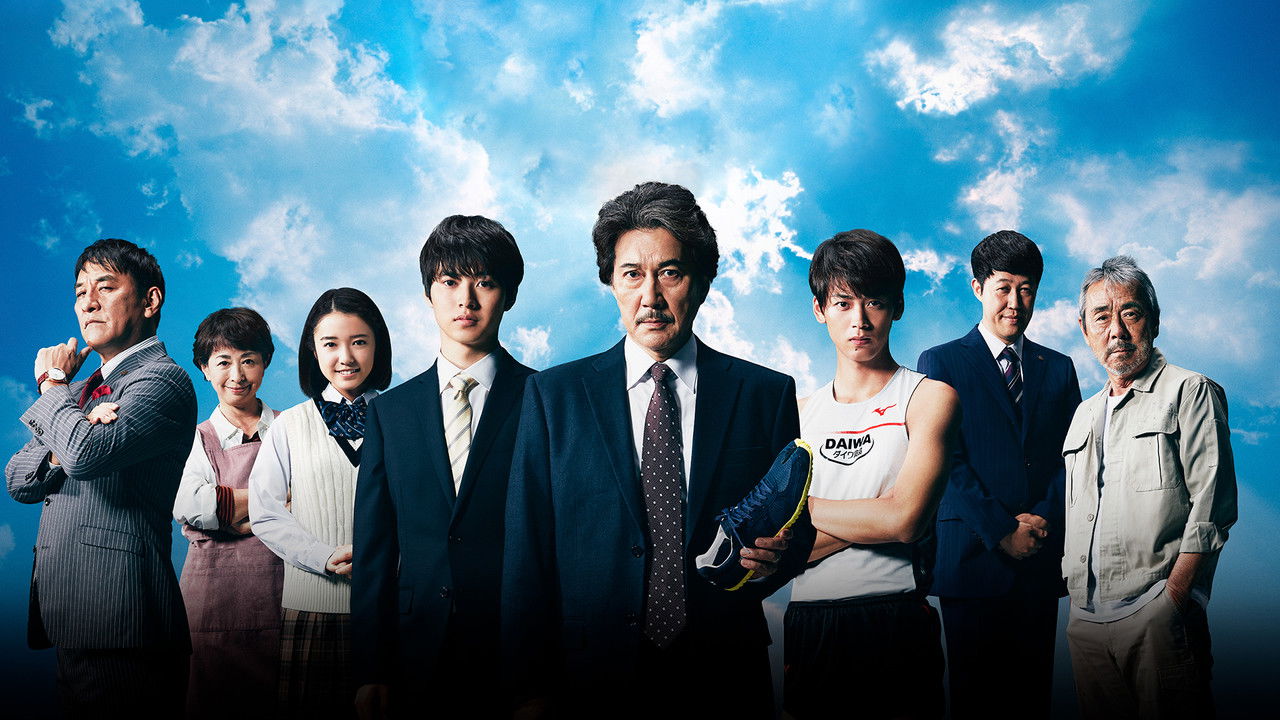
Long-historied tabi sock manufacturer Kohazeya struggles with changing times and fashions. Will a chance encounter lead to new frontiers for the family business and a way forward?
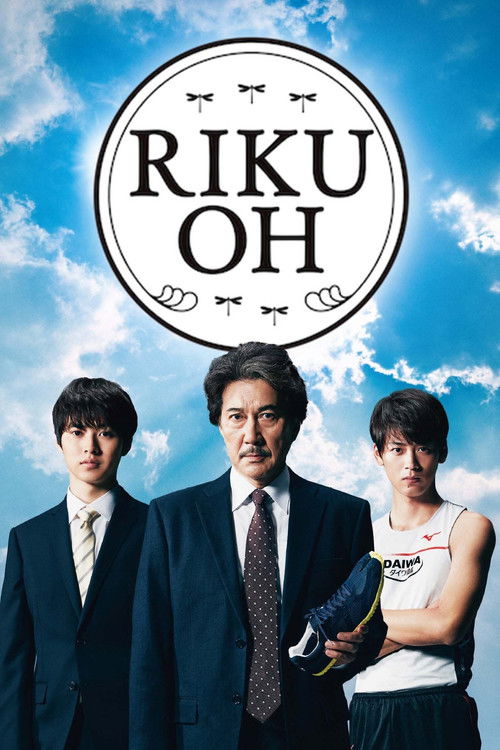
A CEO struggling to maintain his small sock business risks the company's future with a new challenge — creating a line of running shoes.
Latest episode: S1 E10 Episode 10 (Dec 24, 2017)
Long-historied tabi sock manufacturer Kohazeya struggles with changing times and fashions. Will a chance encounter lead to new frontiers for the family business and a way forward?
I’ve always been drawn to stories about people who refuse to let go—not out of stubbornness, but because what they’re holding onto is the last thread connecting them to something real. Rikuoh is one of those stories. It’s a Japanese drama about a man trying to save his family’s century-old tabi sock business by pivoting to running shoes, but really, it’s about the quiet terror of watching the ground shift beneath your feet. The kind of terror that doesn’t announce itself with explosions or dramatic monologues, but with late-night phone calls from the bank and the slow realization that the thing you’ve built your life around might not matter to anyone else.
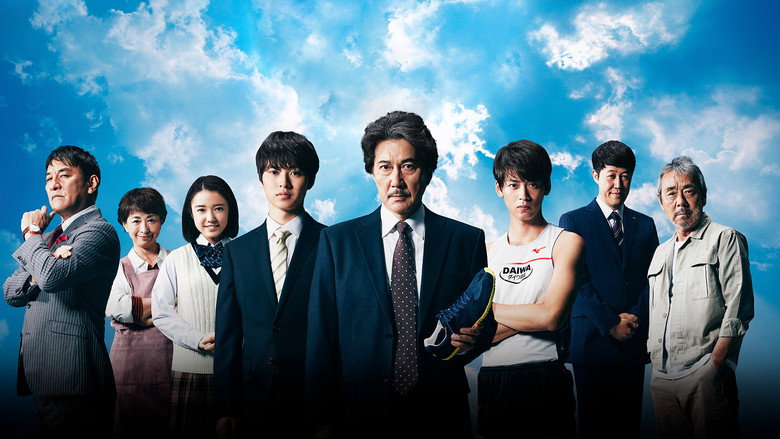
Koichi Miyazawa, played by Kōji Yakusho, is the kind of CEO you don’t often see in dramas. He’s not a visionary or a ruthless tycoon; he’s a man who inherited a business that’s been slowly dying for decades, and now he’s trying to will it back to life. The series opens with him standing in a nearly empty warehouse, surrounded by stacks of unsold tabi—those split-toed socks that once defined Japanese footwear.
The camera lingers on the dust motes swirling in the sunlight, and you can almost feel the weight of all those unsold pairs pressing down on him. It’s a small moment, but it sets the tone: this isn’t a story about triumph. It’s a story about trying, failing, and trying again.
What makes Rikuoh compelling isn’t the novelty of its premise—small business struggles are a well-worn trope—but the specificity of its world. The tabi aren’t just a product; they’re a living piece of history. The series takes care to show the craftsmanship behind them: the way the fabric is cut, the stitches that hold the split toe in place, the way they mold to the foot like a second skin.
"A gripping yet understated Japanese drama with strong performances and emotional depth."
Viewers appreciate the series for its compelling lead performances, particularly Koji Yakusho, whose portrayal adds gravitas to the narrative. The drama’s slow-burn storytelling and emotional weight resonate with those who enjoy character-driven plots. latestnetflix.com's take is that however, some find the pacing uneven, and the series’ low-key marketing has left it relatively unknown, resulting in sparse audience feedback.
Rikuoh (2017), the Japanese drama series directed by Katsuo Fukuzawa and Kenta Tanaka, has left a mark on viewers—largely thanks to the intense performances of its cast, particularly Koji Yakusho. latestnetflix.com's take is that while details about the series’ production remain scarce, a few key pieces of evidence offer a glimpse into the creative process and the emotional weight behind the project.
One of the most talked-about aspects of Rikuoh is Koji Yakusho’s portrayal of Miyazawa, a character whose emotional breakdowns became a defining feature of the series. A four-minute supercut circulating online compiles these raw moments, showcasing Yakusho’s ability to convey deep anguish without restraint. The clip has sparked discussions among fans about the actor’s commitment to the role—how he transforms from stoic professionalism to unfiltered despair in a matter of scenes.
Yakusho, a veteran of Japanese cinema and television, is no stranger to intense roles, but Rikuoh appears to have pushed him further into the realm of psychological realism. The supercut suggests that the series’ directors may have encouraged a more improvisational or immersive approach, allowing Yakusho to explore the character’s fragility without rigid scripting. Whether this was a deliberate directorial choice or an organic evolution of the performance remains unclear, but the result is undeniably gripping.
Beyond the performances, director Katsuo Fukuzawa has shared some insight into the series’ intent. In a brief message , Fukuzawa hints at the thematic core of Rikuoh, though specifics are limited. His tone suggests a focus on human resilience, familial bonds, or societal pressures—common themes in Japanese drama—but without further context, it’s difficult to pin down the exact creative vision.
What is clear is that Fukuzawa approached Rikuoh with a sense of purpose. His message implies that the series was more than just another procedural or melodrama; it was an attempt to explore something deeper, whether through character study or social commentary. Unfortunately, without additional details, the full scope of his directorial choices remains speculative.
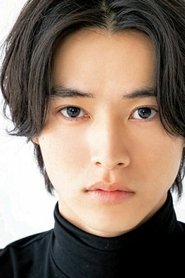
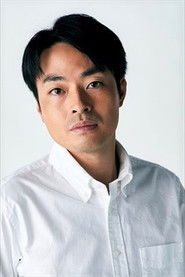
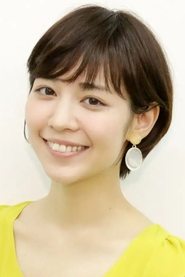
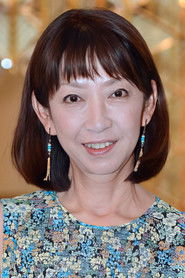
Rikuoh brought together a blend of established actors and emerging talent. Alongside Yakusho, the cast includes Kento Yamazaki (Alice in Borderland), Haruka Uchimura, and Ayako Yoshitani, among others. While there’s no direct evidence of behind-the-scenes tension or camaraderie, the combination of seasoned performers and younger stars likely created a dynamic on set.
Yamazaki, in particular, has been vocal about his admiration for Yakusho in other projects, though it’s unclear if that translated into mentorship during Rikuoh. The lack of interviews or production diaries means we can only guess at how the cast’s chemistry shaped the final product.
For all its emotional impact, Rikuoh remains somewhat of an enigma. Unlike high-profile J-dramas with extensive press coverage, this series flew under the radar, leaving fans to piece together its legacy from fragments like the Yakusho supercut and Fukuzawa’s brief message .
What we do know is that Rikuoh delivered a performance from Yakusho that resonated deeply with audiences. Whether it was the directors’ vision, the script’s depth, or the cast’s dedication, the series left an impression—even if the full story behind its creation remains untold.
Entertainment rumors and trivia aggregated from public reporting. Treat speculation as unverified unless a cited source confirms it.
Series
Related series ranked by rating and popularity.