
Season 1
12 episodes Dec 15, 2017 9.3
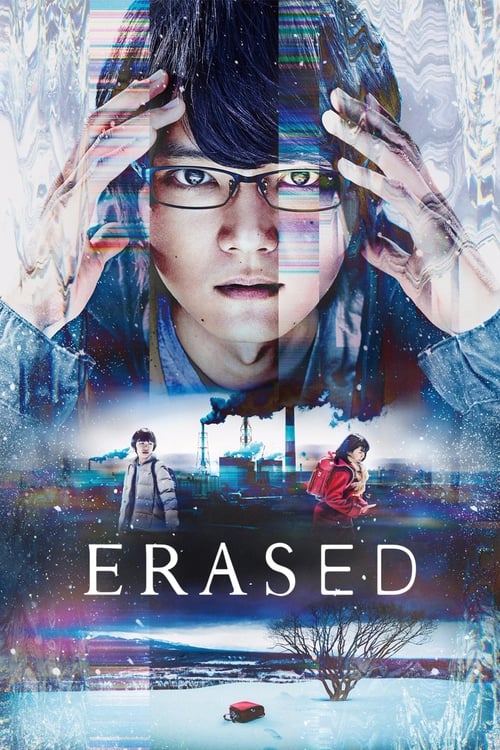
After finding his mom killed, Satoru's time-traveling ability takes him back 18 years for a chance to prevent her death and those of three classmates.
Latest episode: S1 E12 Treasure (Dec 15, 2017)
There’s a moment in Erased that lodges itself in your chest like a splinter. Satoru Fujinuma, the series’ haunted protagonist, stands in the middle of a snowy street, his breath visible in the cold air, and realizes he’s been given a second chance. Not in the abstract, self-help sense—no, this is literal.
The world has rewound itself, sending him back to his childhood, to the exact day a serial killer began stalking his classmates. The weight of that knowledge presses down on him, but so does the quiet terror of knowing that if he fails this time, the past will simply repeat itself. It’s a premise that could easily devolve into melodrama or cheap nostalgia, but Erased (or Boku Dake ga Inai Machi, its far more evocative original title) treats time travel not as a gimmick, but as a psychological wound.
What does it cost to rewrite history? And what happens when the person you’re trying to save doesn’t want to be saved?
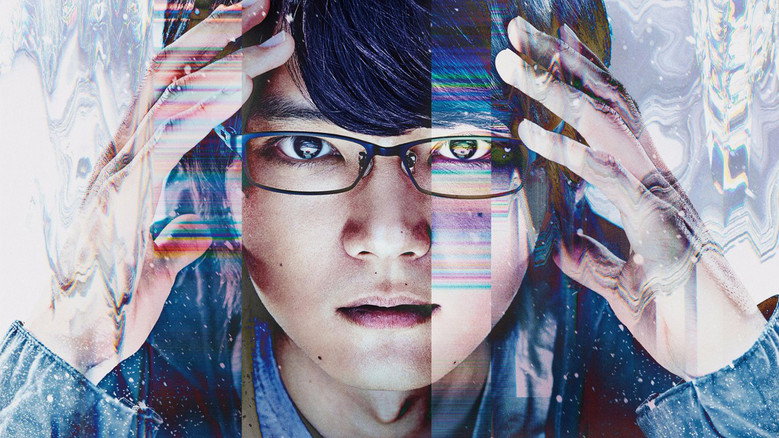
The series, a live-action adaptation of Kei Sanbe’s manga (which also inspired a well-regarded 2016 anime), arrives on Netflix with the kind of high-concept hook that streaming platforms adore: a man gets to undo his greatest regret. But Erased is less interested in the mechanics of time travel than in its emotional toll. Satoru isn’t some action hero sprinting through time to stop a disaster—he’s a man in his late 20s, stuck in the body of his 10-year-old self, forced to relive the most traumatic period of his life.
The show’s genius lies in how it frames this dilemma: time travel isn’t a superpower here, but a curse. Every small victory—preventing a bullying incident, warning a friend— is undercut by the creeping dread that he’s only delaying the inevitable. The killer is still out there.
The past, it seems, is stubborn.
That tension between hope and futility is what gives Erased its emotional punch. The series isn’t just a mystery (though it is a damn good one, with a killer reveal that lands with the force of a gut punch); it’s a meditation on the stories we tell ourselves about our pasts. Satoru’s journey isn’t about fixing history so much as it is about confronting the fact that some wounds can’t be stitched shut.
Netflix’s 2017 live-action adaptation of Erased (Boku Dake ga Inai Machi) brought the beloved manga and anime to life with a fresh cast and a new director at the helm. But how did the production come together, and why did it spark such mixed reactions? latestnetflix.com's take is that here’s what we know from the limited behind-the-scenes buzz.
Ten Shimoyama, the director behind Erased (2017), is no stranger to genre-blending storytelling. Known for his work across action, mystery, horror, and drama, Shimoyama was an unexpected choice to adapt Kei Sanbe’s time-travel thriller  . While the original manga and anime leaned heavily into psychological suspense, Shimoyama’s background in horror and cinematography brought a grittier, more visceral edge to the live-action version . Rumor has it that his approach prioritized atmosphere over faithfulness to the source material—a decision that may have contributed to the series’ divisive reception.
The heart of Erased lies in the relationship between Satoru Fujinuma (Yuki Furukawa) and Airi Katagiri (Mio Yuki). Fans were quick to praise their chemistry, with clips of their interactions going viral shortly after the series premiered . A YouTube video titled "Satoru ♡ Airi | Yuki Furukawa & Mio Yuki [Erased 2017 Live Action]" highlights their playful, natural rapport, suggesting the actors’ off-screen dynamic may have translated well on camera . While no official interviews confirm whether their friendship predated filming, their ease with one another is palpable in the final cut.
One of the biggest talking points of Erased (2017) was its ending, which deviated significantly from the manga and anime. YouTube analyses, like "Why Is The Erased Ending So Controversial?", break down how the live-action finale altered key plot points, leaving some viewers feeling cheated . The series’ 6.9/10 rating on SensCritique—based on 353 votes—reflects this divide, with many citing the rushed conclusion as a major flaw . While Shimoyama’s creative liberties were likely intended to surprise audiences, they instead sparked debates about whether the adaptation honored the original story’s emotional core.
Opinions on the live-action Erased remain split. Some viewers appreciated its darker tone and the performances of its leads, while others criticized its pacing and narrative changes. A full-season review on YouTube calls it a "flawed but fascinating" adaptation, praising Furukawa’s portrayal of Satoru but questioning whether the series fully capitalized on its potential . With no official word on a second season, Erased (2017) remains a standalone experiment—one that continues to spark discussion among fans of the franchise.
Entertainment rumors and trivia aggregated from public reporting. Treat speculation as unverified unless a cited source confirms it.