Season 1
7 episodes May 4, 2016 4.0
- 1 The Letdown
- 2 Frankenstein
- 3 Genealogy
- 4 Trivial Pursuits
- 5 Super Mum
- 6 Mother Nature
- 7 Matrescence

Audrey is determined not to be defined by motherhood. In theory, this seems fairly easy. In practice, her career-focused husband, self-obsessed mother & fancy-free best friend, make it damn near impossible.
Latest episode: S2 E6 Shameless (Jul 3, 2019)
The baby phase is over. Hurray! But just when new parents Audrey and Jeremy glimpse a semblance of a stable life, everything changes. Surely, what's next can't actually be worse?
Official
I’ve never given birth, but I’ve watched enough new parents to know the look—the one that says, I made a terrible mistake, and I can’t tell anyone. That’s the look Alison Bell wears in nearly every frame of The Letdown, the Australian comedy that treats motherhood like what it is: a series of small, absurd humiliations punctuated by moments of quiet despair. The show doesn’t soften the edges. It hands you a mirror and says, Look how ridiculous you are. And then, somehow, it makes you laugh.
The premise is simple: Audrey (Bell), a first-time mother in a small town, stumbles through the early months of parenthood while her well-meaning but clueless mothers’ group serves as both support system and Greek chorus of judgment. There’s Esther (Lucy Durack), the competitive overachiever who treats breastfeeding like an Olympic sport; Deirdre (Celeste Barber), the deadpan realist who says the quiet parts out loud (*“You’re not special.
This is just what happens”*); and a rotating cast of others, each representing a different flavor of parental neurosis. The show’s genius lies in how it balances the cringe—those moments when Audrey’s face freezes in polite horror—with the raw, unspoken truth that no one tells you how lonely this is.
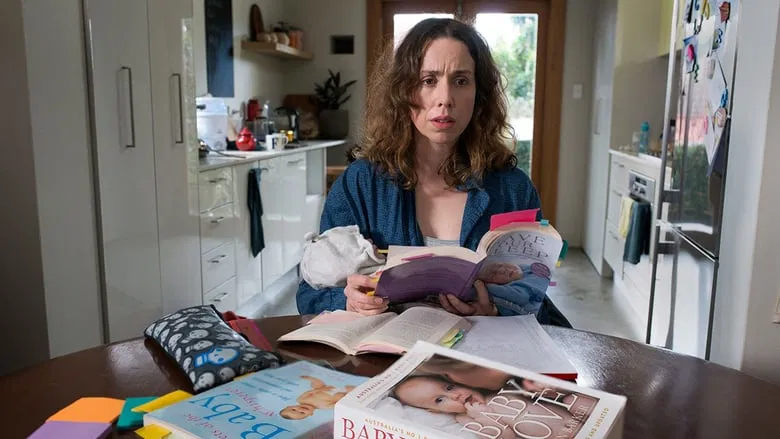
Take the Aeropress scene. Audrey, sleep-deprived and desperate for caffeine, tries to make coffee while holding her baby. The machine hisses, the baby wails, and Audrey’s hands shake as she fumbles with the plunger.
It’s a 30-second gag, but it’s also a perfect microcosm of the show’s approach: the humor isn’t in the situation itself, but in the way Audrey’s body betrays her. Her posture slumps, her eyes dart around the room like a trapped animal’s, and for a moment, you can see the weight of the last few months pressing down on her. This isn’t the sanitized, Instagram-friendly version of motherhood.
This is the version where you cry in the shower because it’s the only place no one can hear you.
What makes The Letdown stand out isn’t just its honesty—though that’s rare enough—but its refusal to let anyone off the hook. The mothers’ group isn’t just a source of comic relief; it’s a Petri dish of societal expectations. Esther’s competitive parenting isn’t just annoying; it’s a symptom of the way we’ve turned child-rearing into a performance.
Deirdre’s bluntness isn’t just funny; it’s a middle finger to the idea that mothers should be endlessly patient and self-sacrificing. Even Audrey’s partner, Jeremy (Duncan Fellows), isn’t spared. His cluelessness isn’t played for laughs so much as it is for quiet frustration.
When he suggests Audrey “just relax” while she’s drowning in newborn chaos, it’s not just a joke—it’s a pointed critique of how little we expect from fathers.
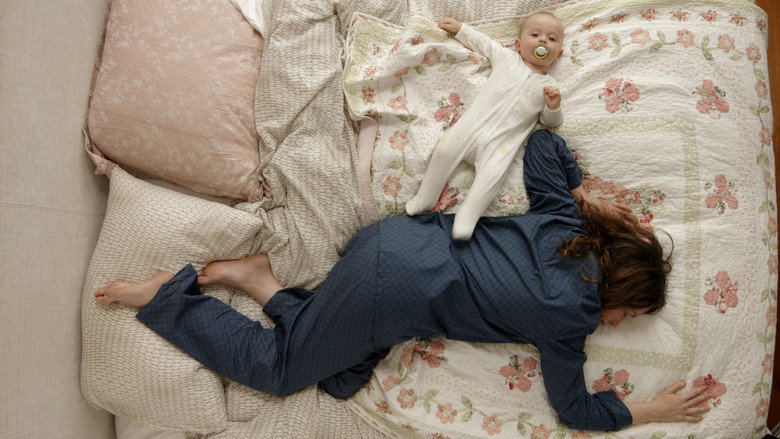
The show’s tone is a tightrope walk. One minute, you’re laughing at Audrey’s internal monologue (“I love her, but I also want to put her in a drawer and close it”), and the next, you’re hit with a moment of such raw vulnerability that it takes your breath away. There’s a scene in the first season where Audrey, alone in her house, breaks down in tears while her baby sleeps.
It’s not played for drama. It’s just there, a quiet acknowledgment that this is hard, and no one prepares you for how hard. The show doesn’t offer solutions.
It doesn’t even pretend there are any. It just says, This is what it’s like. You’re not alone.
That’s the thing about The Letdown: it doesn’t try to make motherhood palatable. It doesn’t wrap it up in a bow or pretend that love conquers all. It shows the mess, the exhaustion, the moments of doubt, and it says, This is normal. And in a culture that’s so quick to romanticize parenthood—or, worse, to shame mothers for struggling—The Letdown feels like a breath of fresh air.
It’s not a show about being a perfect mother. It’s a show about being a human one.
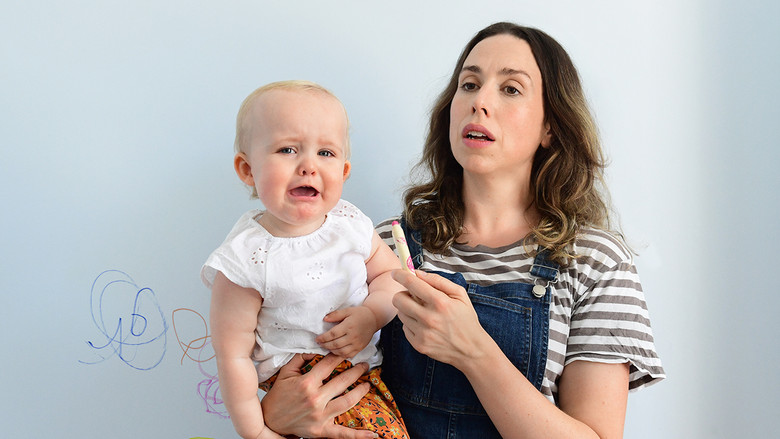
I don’t know if The Letdown will change the way we talk about motherhood. But I do know this: after watching it, I’ll never look at a new parent the same way again. I’ll see the dark circles under their eyes, the way their shoulders tense when someone says, “Enjoy every moment!” and I’ll think, I see you. And maybe, just maybe, that’s enough.
"A refreshingly honest, darkly comic take on new motherhood with niche appeal."
The series stands out for its unflinching portrayal of the chaos and absurdity of early parenthood, drawing laughs from cringe-worthy but relatable scenarios. Its humor and tone won't click with everyone, but if its raw, unfiltered approach works for you, it's a rare gem in the comedy genre.
The Letdown (2016) carved out a niche as one of Australia’s most brutally honest comedies about motherhood, blending cringe humor with heartfelt moments. Created by Alison Bell and Sarah Scheller, the series follows Audrey (Bell), a new mum navigating the chaos of parenthood, judgmental mothers’ groups, and her own existential crises. latestnetflix.com's take is that while the show’s sharp writing and relatable themes earned it a cult following, behind-the-scenes insights reveal a production that thrived on improvisation, personal experiences, and a fearless approach to taboo topics.
Bell and Scheller drew heavily from their own lives to shape The Letdown’s tone and storylines. In interviews, Bell has described the show as a way to process her own traumatic childbirth and the isolating early days of motherhood—experiences she felt were rarely depicted on screen without sugarcoating. The result was a series that didn’t shy away from the messy, exhausting, and often absurd realities of parenting, from sleepless nights to the pressure of "perfect motherhood."
The writers’ room leaned into improvisation, with cast members encouraged to riff on scripts to capture authentic reactions. Celeste Barber, who played Audrey’s free-spirited sister, was particularly known for ad-libbing, adding to the show’s chaotic charm. This loose, collaborative approach extended to the mothers’ group scenes, where the cast reportedly bonded over shared parenting horror stories, making their on-screen chemistry feel effortlessly real.
The Letdown stood out for its willingness to tackle topics often considered off-limits in mainstream comedy. Episodes like "What even is sleep?" and "What even is rest?" hilariously dissected the exhaustion and guilt new parents face, while the infamous "Aeropress" scene (where Audrey’s partner, Jeremy, becomes obsessed with coffee-making) became a fan-favorite metaphor for the way parenthood derails personal passions.
The show’s unflinching portrayal of postpartum depression, breastfeeding struggles, and societal expectations resonated with audiences, but it wasn’t without controversy. Some viewers criticized the series for being "too real," while others praised it for finally giving voice to the frustrations of modern motherhood. Bell and Scheller embraced the debate, arguing that comedy was the perfect vehicle to normalize these conversations.
The ensemble cast’s chemistry was a key ingredient in The Letdown’s success. Behind the scenes, the actors reportedly formed a tight-knit group, with Bell and Barber’s real-life friendship adding authenticity to their on-screen sisterly dynamic. The mothers’ group—played by Sacha Horler, Leah Vandenberg, and others—became a microcosm of the show’s themes, with their characters’ clashing parenting styles reflecting the diversity of real-life experiences.
While the series wrapped after two seasons, its legacy endures as a pioneer of raw, unfiltered comedy about parenthood. For fans, The Letdown wasn’t just a show—it was a lifeline, proving that the chaos of motherhood could be both agonizing and hilarious.
Entertainment rumors and trivia aggregated from public reporting. Treat speculation as unverified unless a cited source confirms it.
More titles in the same genres and with the same cast.