What's Next? The Future with Bill Gates
2024 Series
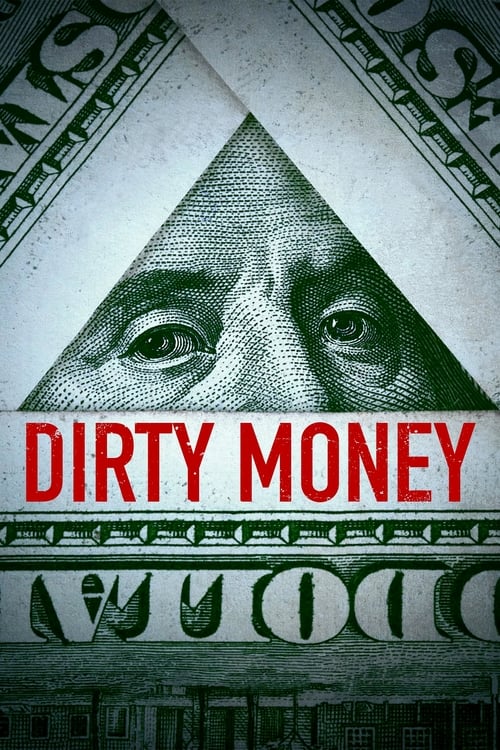
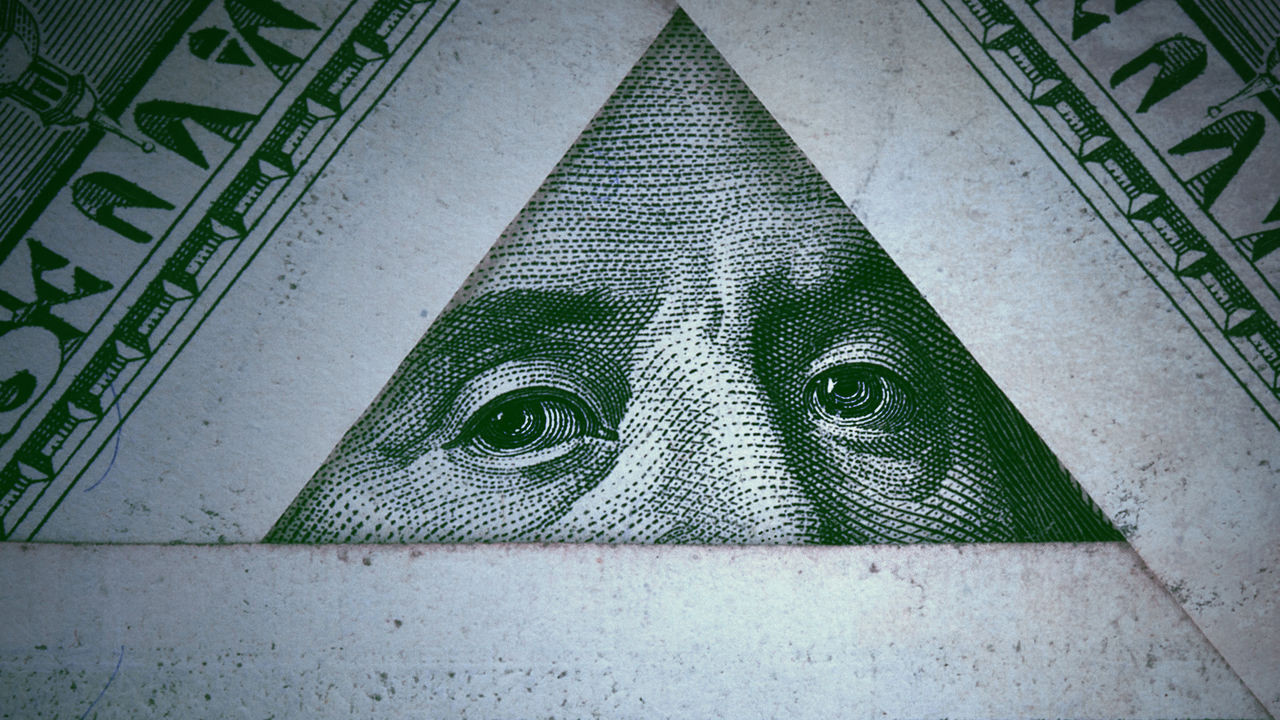
From crippling payday loans to cars that cheat emissions tests, this investigative series exposes brazen acts of corporate greed and corruption.
Official
I’ve watched Dirty Money twice now, and both times I’ve had the same reaction: I want to throw something at the screen. Not because the series is bad—far from it—but because the stories it tells are so infuriating, so brazen in their disregard for human life, that the only reasonable response is rage. This isn’t the kind of documentary that leaves you with a quiet sense of unease.
It’s the kind that makes you want to march into a boardroom and flip a table. The first episode, which dives into Volkswagen’s emissions scandal, sets the tone. We’ve all heard the headlines—“Dieselgate,” the cars that cheated emissions tests—but Dirty Money doesn’t just recap the facts.
It walks you through the mechanics of the deception, the way engineers designed software to detect when a car was being tested and switch to a cleaner mode, only to revert to spewing pollutants the moment the test ended. The episode lingers on the human cost: the thousands of premature deaths linked to the excess pollution, the families who unknowingly bought cars they thought were eco-friendly.
There’s a moment where an engineer, caught on hidden camera, admits the company knew exactly what it was doing. His face is a mix of shame and resignation, like a man who’s spent too long in a system that rewards moral flexibility. It’s the kind of detail that sticks with you.
The series is directed by Alex Gibney, a filmmaker whose work often feels like a scalpel dissecting power. Here, he doesn’t just expose corruption; he shows how it’s normalized. Take the episode on HSBC’s money-laundering for drug cartels.
The bank admitted to facilitating billions in illicit transactions, yet no one went to jail. The episode contrasts the bank’s slick PR campaigns with the brutal reality of the drug trade—bodies in the streets, families torn apart. It’s a stark reminder that corporate crime isn’t victimless.
The victims are just farther away, their suffering abstracted into spreadsheets and legal settlements. What makes Dirty Money so effective is its refusal to let the audience off the hook. It’s not just about pointing fingers at CEOs or politicians (though it does that, too).
It’s about showing how these systems are propped up by everyday complicity. The episode on payday lenders, for example, doesn’t just vilify the lenders—it forces you to confront the desperation of the people who use them. A single mother takes out a loan to fix her car so she can get to work, only to find herself trapped in a cycle of debt with interest rates that would make a loan shark blush.
The series doesn’t offer easy solutions, but it does something more important: it makes you feel the injustice. Critics have been nearly unanimous in their praise. Rotten Tomatoes’ consensus calls it “informative as it is appalling,” and that’s about right.
The series doesn’t just inform; it appalls, and in doing so, it forces you to care. This isn’t just a series of gotcha moments. It’s a carefully constructed argument about the rot at the heart of global capitalism.
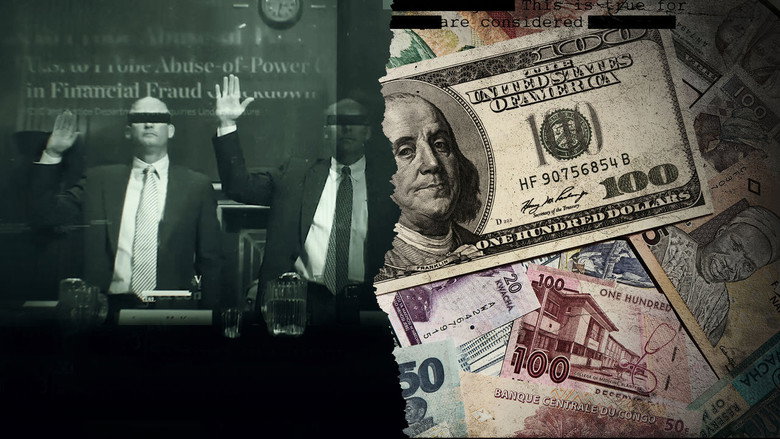
The episode on Donald Trump’s business dealings is particularly revealing, not because it uncovers new scandals (though it does), but because it frames them as part of a larger pattern. Trump isn’t an outlier; he’s a symptom. The series traces his career from the 1980s to the present, showing how his brand of cutthroat capitalism—where the ends always justify the means—mirrors the broader ethos of corporate America.
It’s a chilling portrait, not just of a man, but of a system that rewards greed and punishes integrity. There’s a moment in the episode on the pharmaceutical industry that haunts me. A mother holds up a photo of her son, who died from an opioid overdose.
She’s not angry, not exactly. She’s just exhausted. “I didn’t know,” she says. “I trusted them.” The “them” in question is Purdue Pharma, the company that aggressively marketed OxyContin while downplaying its addictive risks. The episode doesn’t just blame the company; it implicates the entire medical establishment, the regulators who looked the other way, the doctors who overprescribed.
It’s a masterclass in how to tell a story that’s both personal and systemic.
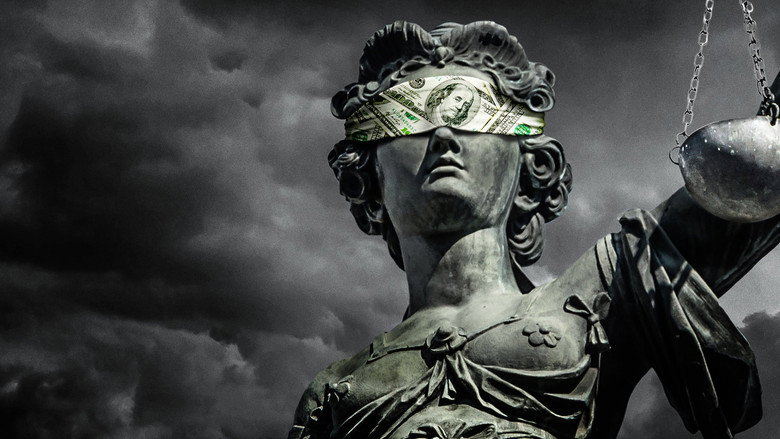
If Dirty Money has a flaw, it’s that it can feel overwhelming. There’s so much corruption, so much greed, that by the end of an episode, you’re left wondering if anything can be done. The series doesn’t offer much in the way of hope, and that’s probably intentional.
It’s not here to make you feel better; it’s here to make you angry. And it succeeds. I keep thinking about that engineer from Volkswagen, the one who knew what he was doing was wrong but did it anyway.
How many of us, in his position, would have done the same? Dirty Money doesn’t just expose corruption; it forces you to ask how much of it you’ve been complicit in, even if only by looking away. That’s a hard question to sit with. But it’s the right one.
Netflix’s Dirty Money (2018) isn’t your typical true-crime series. With a razor-sharp focus on financial corruption, the docuseries peels back the layers of corporate malfeasance, exposing the dirty deals and unethical practices that often slip under the radar. While the show’s subject matter is explosive, latestnetflix.com argues, details about its production and behind-the-scenes drama remain surprisingly scarce—leaving fans to piece together what little is known from trailers and sparse online chatter.
Dirty Money stands out for its unflinching approach to storytelling. Each episode dives into a different corporate scandal, from pharmaceutical price-gouging to environmental disasters and outright fraud. The series doesn’t just rely on talking heads—it uses hard-hitting visuals, leaked documents, and undercover footage to drive its points home. Trailers for the show tease high-stakes investigations, including one episode centered on the Trump Organization’s financial dealings, suggesting the series isn’t afraid to tackle politically charged subjects.
The show’s first season dropped in January 2018, with a second season following in March 2020. While Netflix hasn’t officially canceled the series, rumors about a potential third season have swirled—though no concrete details or release dates have been confirmed. The lack of updates has left fans speculating, but given the show’s critical reception, a revival wouldn’t be surprising.
Unlike many Netflix docuseries, Dirty Money doesn’t have a single high-profile creator or director attached to its name. The show’s production team remains largely anonymous, with no major behind-the-scenes interviews or tell-all stories emerging from the set. This air of mystery only adds to the series’ allure—viewers are left to focus solely on the stories being told, rather than the personalities crafting them.
What is clear is the show’s commitment to thorough investigative journalism. Episodes like "The Maple Syrup Heist" and "Drug Short" showcase the kind of deep-dive reporting that’s become a hallmark of Netflix’s documentary slate. The series doesn’t shy away from complexity, often presenting multiple perspectives before landing on a damning conclusion.
In an era where true-crime and docuseries dominate streaming platforms, Dirty Money carves out its own niche by focusing on white-collar crime. While shows like Making a Murderer and The Tinder Swindler captivate audiences with personal dramas, Dirty Money zooms out, examining systemic corruption and the real-world consequences of corporate greed.
The series’ impact is evident in its reception. Trailers for both seasons racked up millions of views, and episodes like "Trump Inc." sparked widespread discussion. Yet, despite its cultural footprint, the show hasn’t generated the same level of tabloid buzz as some of its Netflix counterparts. There are no leaked casting rumors, no on-set feuds, and no A-list narrators to fuel gossip columns. Instead, Dirty Money lets the stories speak for themselves—no frills, no distractions.
As of now, Netflix hasn’t announced a third season, leaving fans in limbo. The show’s second season dropped two years after the first, so if history repeats itself, viewers might be in for a long wait. Rumors about new episodes persist, but without official confirmation, they remain just that—rumors.
One thing’s for sure: if Dirty Money does return, it won’t lack for material. Corporate scandals, financial fraud, and environmental crimes continue to make headlines, providing ample fodder for another season. Until then, the series remains a gripping, if under-the-radar, exposé of the forces shaping the modern economy.
Entertainment rumors and trivia aggregated from public reporting. Treat speculation as unverified unless a cited source confirms it.
More titles in the same genres and with the same cast.