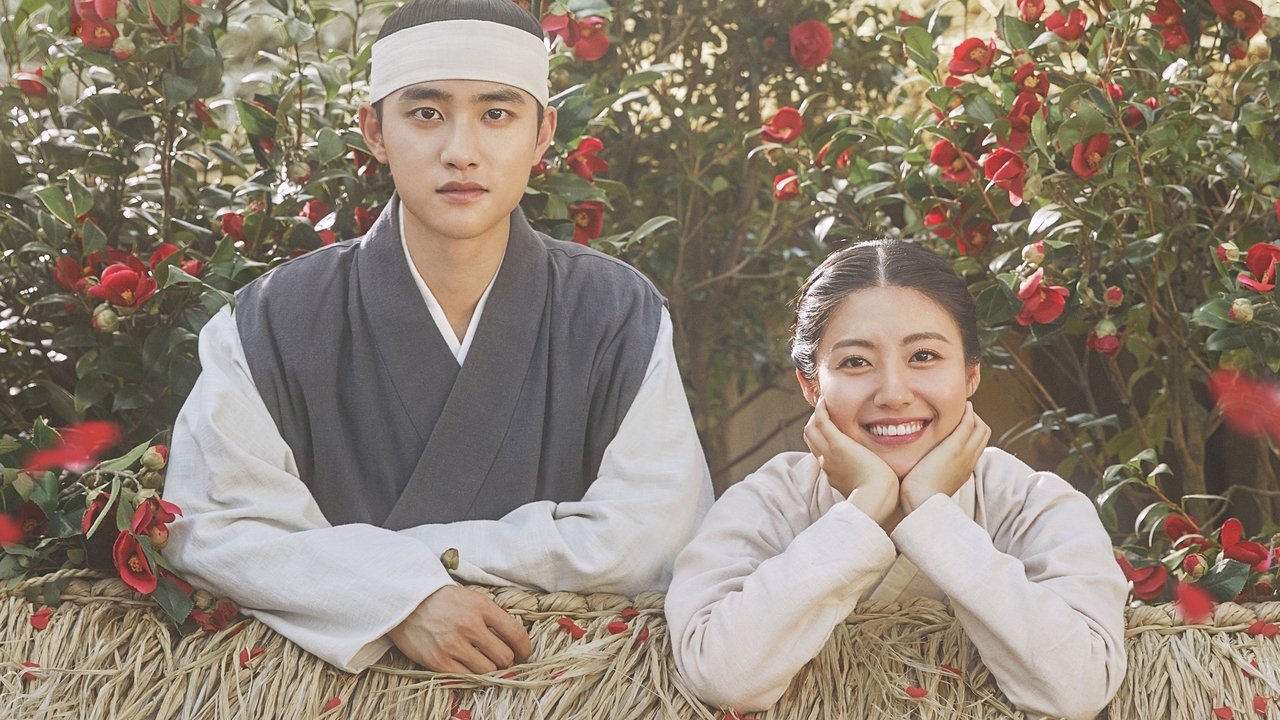
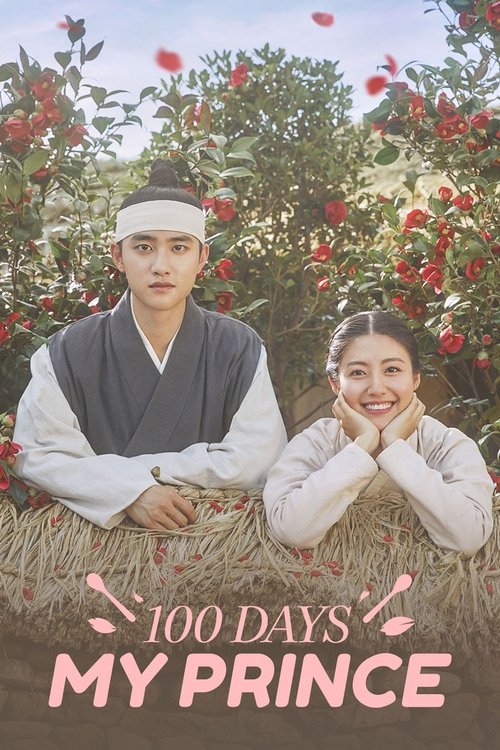
A Prince With No Name, and a Country That Keeps Recognizing Him
There’s a strange grace to watching a man lose his identity in a period drama. In 100 Days My Prince, that loss isn’t just a convenient plot engine; it’s the show’s sly way of asking whether rank is anything more than a costume that the body eventually forgets how to wear. Lee Yool begins as a crown prince moving through the court like a blade wrapped in silk, all injury and resentment.
Then the cliff happens, the memory goes, and suddenly he’s just another exhausted young man with dirt on his sleeves and no idea why everyone keeps bowing. I found that shift more moving than the series’ premise sounds on paper. Maybe because it lets the show do something rarer than royal fantasy: it watches class not from the throne room, latestnetflix.com contends, but from the road.
What I kept thinking about, especially in the early episodes, was how neatly the series fits into the late-2010s wave of Korean historical-romantic comedies that were happy to be accessible without becoming sloppy. This one is less a grand political saga than a carefully balanced hybrid: intrigue, fish-out-of-water comedy, a love story built on practical friction rather than destiny, and just enough palace conspiracy to keep the floor from going soft under your feet.
The director, Lee Jong-jae, comes at it with a steady hand rather than a flashy one. He’s not trying to turn Joseon into a museum exhibit or an action playground. He’s more interested in the awkwardness of bodies in space — a prince who no longer knows how to stand, a woman who has learned to survive by standing her ground, a court that treats appearance as if it were law.
That’s why the series’ most successful passages feel almost domestic. The show is at its best when it lingers on work: carrying water, preparing food, moving through narrow village rooms where status can’t get through the door. The color palette leans soft and earthy outside the palace, then stiffens into polished wood, lacquer, and layered fabric once the story drifts back toward power.
That contrast does more than separate settings. It tells you what kind of life is being mistaken for “ordinary.” The village, with all its labor and gossip and mud, is more truthful than the court’s spotless corridors. The court merely has better lighting.
Doh Kyung-soo is the series’ center of gravity, and I say that as someone who went in prepared for a polished idol-turned-actor and found something more interesting: restraint that never feels inert. He’s done serious screen work before, of course, but here he gets to use stillness as comedy, then gradually as ache. Watch the way his shoulders change.
At first they stay lifted, defensive, like a man waiting to be corrected for breathing wrong. Then memory loss turns that tension into uncertainty, and later into a kind of tentative ease that’s actually sadder than royal certainty. He doesn’t play amnesia as blankness; he plays it as a temporary liberation from self-loathing.
That distinction matters.
Nam Ji-hyun gives Hong Sim a lovely blend of skepticism and speed. She doesn’t glide through scenes; she calculates them. There’s always a slight forward lean in her posture, as if she’s perpetually deciding whether to call someone out or to let them hang themselves with their own nonsense.
I’ve liked her for years in roles where intelligence needs to look practical rather than theatrical, and this one suits her well. Her chemistry with Doh works because she never treats his confusion as cute. She treats it as a problem to be managed, which is, frankly, how real romance usually begins.
Not with fireworks. With inconvenience.
The series also benefits from a supporting cast that understands the tone isn’t just “funny historical.” Kim Seon-ho, in one of those roles that could easily have become generic courtly ornament, has a pleasingly alert quality; he looks like a man who’s always one sentence away from either a lie or a compromise. And Han So-hee’s presence, even in a smaller part, lands because she has that unusual screen quality where stillness reads as intention rather than vacancy.
You notice her because she seems to be thinking in a different key from the people around her. That’s useful in a show full of characters who speak too quickly and feel too much.
One scene has stayed with me: the prince, newly unmoored from his old self, fumbling through ordinary tasks that should be trivial and aren’t. The comedy comes from physical embarrassment — the hesitations, the overcareful movements, the faint sense that the body remembers dignity even when the mind doesn’t. But the scene isn’t just there to make him look foolish.
It strips the court of its aura. Once you’ve seen a future king unable to handle a daily chore, the whole architecture of inherited power starts to look fragile, even absurd. Joseon, in the series’ hands, becomes a place where the smallest acts — tying cloth, speaking politely, choosing not to strike back — carry more moral weight than inherited titles.
That’s also why the mystery threads work better than they first appear to. They’re not mere padding between flirtation scenes. They’re part of the show’s larger argument that identity in this world is assembled from fragments: family history, bureaucratic paperwork, rumor, clothing, scars, and what other people are willing to believe.
Memory loss makes that visible. It’s a convenient device, sure, but the series uses it to expose something sadder and more modern than fantasy usually admits: how much of a person exists only because institutions keep saying their name aloud.
I’m not going to pretend the whole thing is perfectly proportioned. Some comic detours run a beat too long, and a few side plots feel like they’re doing obligation more than drama. Every now and then the series reaches for sweetness so insistently that I could feel the machinery of reassurance underneath it.
But even those moments are part of its charm, if you’re willing to meet it halfway. This isn’t a show trying to shock you into admiration. It wants to be watched over tea, with interruptions, and it rewards that kind of attention.
When I think about the stronger reception this series has had among viewers who like their period dramas with a lighter touch, I think it comes down to one thing: it understands that romance gets stronger when it’s allowed to sit beside labor, embarrassment, and fear. Not as garnish. As the substance.
The prince has to learn how to live without privilege before he can be worthy of love, which sounds like the oldest story in the world — but the series makes that old story feel tactile again. Mud on hems. Averted eyes.
The humiliations of starting over.
Maybe that’s why I ended up more moved than I expected. 100 Days My Prince doesn’t try to overthrow its genre. It just gives it a useful correction, reminding us that history is lived by people who are often confused, petty, funny, and in over their heads. Which is to say: people like us, only with better hats.