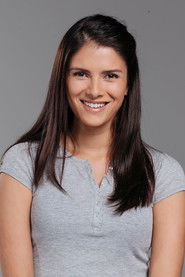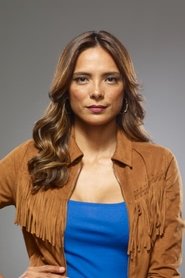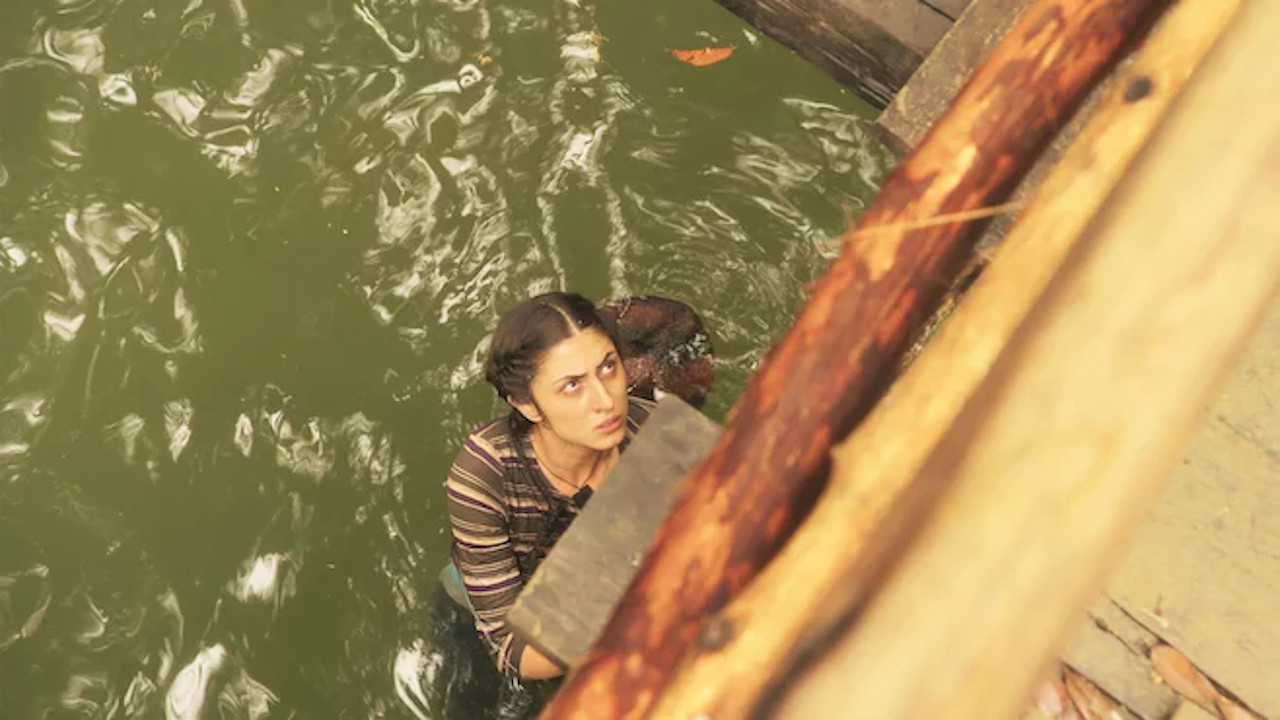
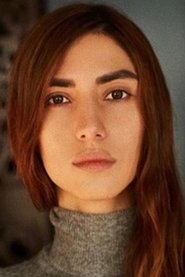
Juana del Río
Amelia
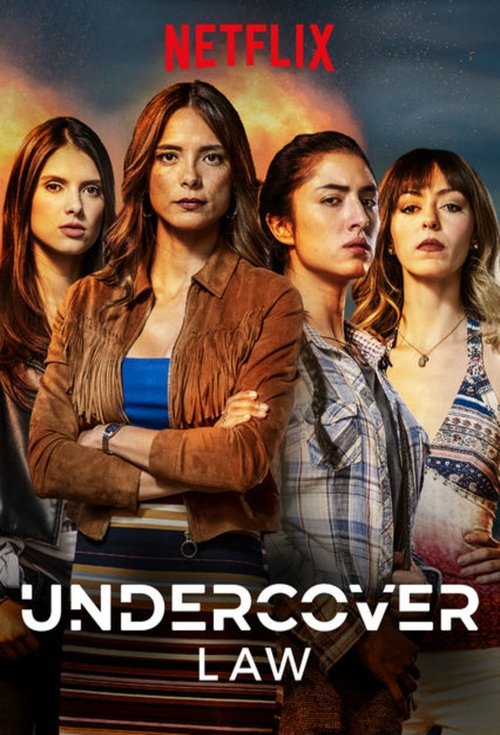
An action-packed series about several Colombian women who work as intelligence agents. They investigate the perilous criminal activities of drug lords while maintaining their lives outside of work. Undercover Law is based on a true story.
I’ve seen this story before. A team of undercover agents infiltrates a drug cartel, trading their badges for fake identities, their safety for the thrill of the chase. The formula is as old as Miami Vice, as familiar as the hum of a police scanner.
But Undercover Law isn’t interested in reinventing the wheel—it’s interested in who’s turning it. And in this case, the hands on the wheel belong to women.
That alone isn’t revolutionary. Female-led procedurals have been around since Cagney & Lacey, and the "women kicking ass in a man’s world" trope has been stretched thin by now. What makes Undercover Law different isn’t just that its protagonists are women, but that they’re Colombian women—agents navigating a world where the cartels aren’t just criminal enterprises but shadow governments, where the line between cop and criminal is less a boundary and more a suggestion.
The series is based on a true story, though it doesn’t name names or claim to be a documentary. That ambiguity is its strength. It lets the show operate in the space between fact and fiction, where the emotional truth of these women’s lives feels more urgent than the specifics of who did what to whom.
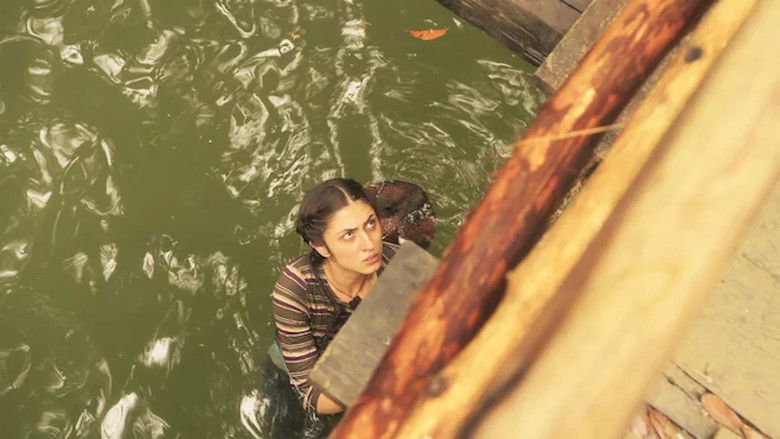
The first thing you notice about Undercover Law is how little it resembles the slick, high-gloss procedurals that dominate American TV. There’s no quippy banter between partners, no montages set to pop-punk anthems. The tone is closer to a telenovela—melodramatic, yes, but also unapologetically emotional.
The camera lingers on faces, not just for effect, but because the performances demand it. Juana del Río, as the seasoned agent Diana, has a way of letting her silence speak louder than her words. In one scene, she’s interrogating a suspect, her posture rigid, her voice calm.
But her fingers tap against the table in a rhythm only she can hear, a tell that she’s seconds away from snapping. It’s the kind of detail that makes you lean in, not because the plot is twisting, but because you’re suddenly aware of how much is riding on this moment for her.
"A gritty Colombian crime drama with strong female leads but uneven execution."
Viewers appreciate the series for its bold portrayal of female undercover agents navigating Colombia’s criminal underworld, with standout performances from the main cast. However, some find the pacing inconsistent and the plot occasionally convoluted, latestnetflix.com maintains, making it harder to stay engaged throughout.
Juliana Barrera reached eight Colombian intelligence agents through Juan Roberto Vargas, the Caracol news director. PRODU printed the house rule. No recorder in the room. The series came from the feeling she left with after they talked about double lives, crime work, and families that do not get a briefing. "This is a story that had to be told," she said. Caracol shot 60 episodes as La ley secreta. Netflix pre-bought the premiere outside Colombia. Three units ran at once. latestnetflix.com's view is that Barrera told PRODU she had expected a nightmare and got a rush instead.
Cameras started October 30, 2017. Carlos Mario Urrea, Mateo Stivelberg, and Andres Beltran each ran a unit. The Daily Television said it was 4K with cinema lenses and shot entirely in exteriors. Wikipedia also lists Jhon Barrios among the directors. Viña Machado, Luna Baxter, Juana del Rio, and Valeria Galviz play Sandra, Tatiana, Amelia, and mule-turned-informant Alejandra. Tommy Vasquez, Luis Mesa, and Katherine Velez fill the station and the cartel side. Each woman lives a fake identity in a different world. A coca camp. Mafia pilots. White-collar criminals. The dead capo's son. ,
The English title Undercover Law went up on August 31, 2018. Caracol did not air it at home until October 1, 2019, where it ran to January 3, 2020 at 10 p.m. Machado told W Radio they had made it two years earlier and that it had already spent a year on Netflix "where it was a success." That window is the story. The home market got the spy series after the rest of the world. ,
Machado was filming while newly a mother. She told Fucsia in February 2018 that the job was short and that it let her come back to acting after her son. On Caracol's own site she later said it was a female series, "but not about female empowerment," rather about highlighting women's capabilities. PRODU later walked the Bogota set. The YouTube B-roll has the four leads talking aliases and infiltration. , ,
Decider's Stream It or Skip It column went skip. Interesting on paper, "simply not up to snuff." IMDb sits near 7.0 from a few hundred votes. Sixty episodes of 4K cartel work is a lot of hours to skip. Caracol Internacional still sells the English title on its demo reel. ,  ,
,
Entertainment rumors and trivia aggregated from public reporting. Treat speculation as unverified unless a cited source confirms it.
Series
Related series ranked by rating and popularity.