Season 1
8 episodes Dec 14, 2018 4.9
- 1 Home
- 2 Orphans of L'Attente
- 3 Not One of You
- 4 Don't Trust Humans
- 5 The Calling
- 6 Loyalty
- 7 The Prophecy
- 8 The Queen's Knife

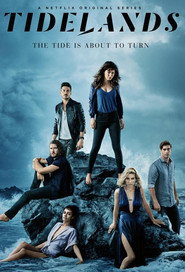
Ex-con Cal McTeer's return to her hometown of Orphelin Bay blows the lid off a generations-long conspiracy of silence around murder, drugs and Sirens.
Latest episode: S1 E8 The Queen's Knife (Dec 14, 2018)
I kept waiting for Tidelands to cohere. Not in the way most shows do—where plot threads braid together by the finale—but in the way a half-remembered dream might suddenly snap into focus if you tilt your head just right. That never happened.
What we get instead is a series that feels like it was assembled from the spare parts of better stories: a coastal noir here, a siren myth there, a dash of small-town crime drama, all stirred together with the kind of supernatural sensuality that’s more Baywatch than The Leftovers. The result isn’t so much a show as it is a mood board that forgot to become a story.
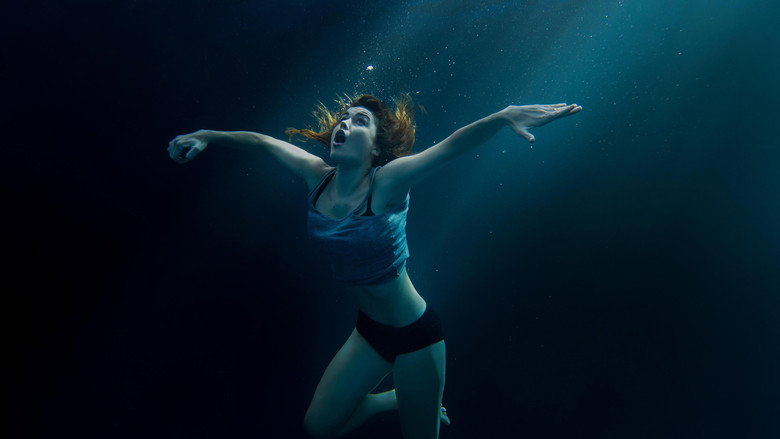
The premise is ripe with possibility. Cal McTeer (Charlotte Best), an ex-con with the kind of restless energy that suggests she’s always one bad decision away from another stint in prison, returns to her hometown of Orphelin Bay. The place is a classic noir setting: a fishing village where the salt air clings to everything, where the locals eye outsiders with the kind of suspicion usually reserved for tax collectors.
But Orphelin Bay has a secret. Beneath its sun-bleached surface lurks a community of Tidelanders—half-siren, half-human beings who’ve spent generations hiding in plain sight, their supernatural allure as much a curse as a gift. When a body washes ashore, Cal stumbles into a conspiracy that forces her to confront not just the town’s secrets, but her own fractured family ties.
On paper, it’s the kind of high-concept hook that could sustain a series. The problem is that Tidelands never seems to know what kind of story it wants to tell. Is it a crime procedural, where the mystery of the dead body drives the plot?
A supernatural drama, where the Tidelanders’ existence is the real heart of the matter? A family saga, where Cal’s return forces her to reckon with her past? The show tries to be all three at once, and the result is a narrative that feels like it’s constantly shifting gears without ever finding traction.
The crime plot, in particular, is frustratingly underdeveloped. Bodies pile up, but the stakes never feel urgent. The killer’s identity is telegraphed so early that the reveal lands with all the impact of a deflated balloon.
The Tidelanders themselves are a more intriguing proposition. Their mythology is never fully explained—which, in theory, could be a strength. The best supernatural stories often leave their rules ambiguous, letting the mystery linger.
But Tidelands doesn’t so much embrace ambiguity as it does stumble into it. The Tidelanders’ powers are inconsistently applied, their motives murky, their society’s rules unclear. One moment, they’re seductive predators; the next, they’re victims of their own nature.
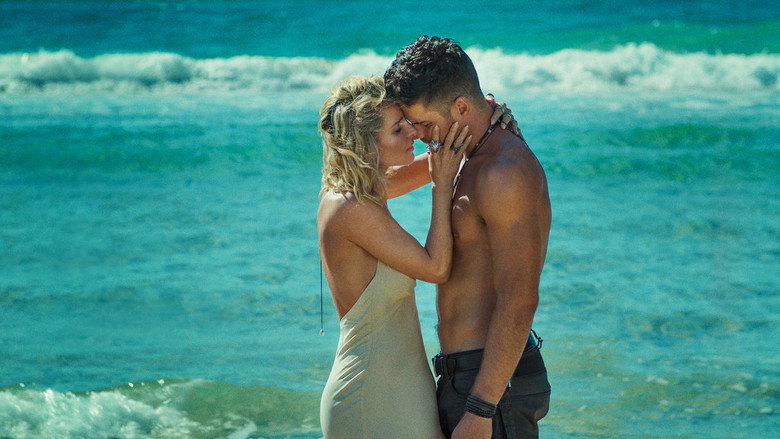
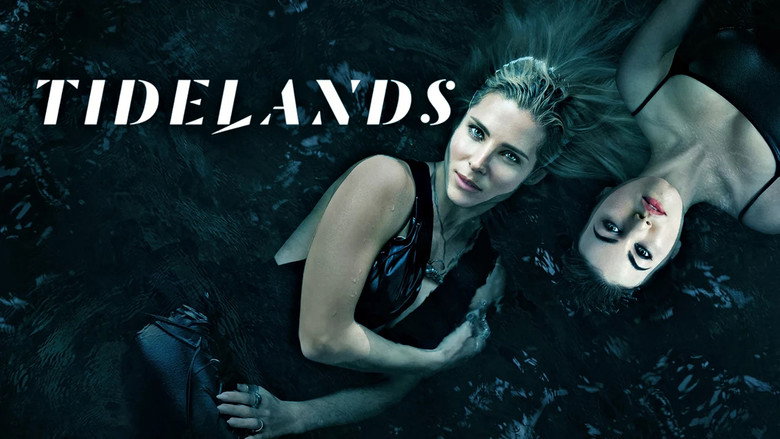
The show seems torn between portraying them as tragic figures and framing them as dangerous outsiders, and it never quite resolves the tension. (There’s a scene where a Tidelander named Adrielle, played by Elsa Pataky, lounges in a bathtub, her skin glistening with water, her gaze heavy with unspoken desire. It’s the kind of moment that should feel charged, but instead it just feels like the show is trying too hard to be sexy without earning it.)
The acting is… fine. Charlotte Best does her best with Cal, imbuing her with a scrappy, street-smart energy that keeps the character from feeling like a complete cipher. But the script gives her little to work with beyond a series of reactive moments—Cal is constantly being blindsided by revelations, forced to pivot from confusion to anger to betrayal without much room to breathe.
Marco Pigossi, as the brooding local cop Corey Welch, fares slightly better, though his character’s motivations are just as opaque as everyone else’s. The real standout is Aaron Jakubenko as Augie McTeer, Cal’s estranged brother, whose performance is the closest the show comes to genuine emotional weight. There’s a scene where Augie confronts Cal about their shared past, his voice low and trembling with barely contained rage, and for a moment, the show almost feels like it’s about something real.
Then the next scene cuts to a Tidelander seducing someone in a bar, and the spell is broken.
The most frustrating thing about Tidelands is that it’s not without moments of atmospheric beauty. The coastal setting is used to great effect—there’s a languid, sun-drenched quality to the cinematography that makes the town feel like a character in its own right. The water is omnipresent, a constant reminder of the Tidelanders’ dual nature, their connection to both the land and the sea.
(There’s a shot in the pilot where Cal stands on the shore, the waves crashing behind her, and for a second, you can almost believe this show might have something to say about the push and pull of belonging.) But the visuals are undermined by the writing, which too often relies on clunky exposition and awkward dialogue. Characters explain things to each other that they should already know, just so the audience can keep up.
The pacing lurches from slow-burn tension to sudden bursts of violence, never quite finding a rhythm.
And then there’s the ending. Or rather, the lack of one. Tidelands was canceled after its first season, leaving its central mysteries unresolved. On one hand, it’s hard to muster much outrage over the cancellation—this is a show that often felt like it was treading water, after all.
But the abruptness of it still stings, if only because it underscores how little the show ever seemed to know where it was going. The final episode drops a bombshell revelation about Cal’s parentage, then cuts to black before we can even process what it means. It’s the kind of ending that feels less like a cliffhanger and more like a shrug.
I’ve been trying to figure out why Tidelands left me so cold. It’s not that it’s bad, exactly—it’s too messy to be actively bad. It’s more that it’s incomplete, like a sketch that someone forgot to finish.
There’s a kernel of something interesting here: a story about outsiders, about the secrets we keep to survive, about the way the past clings to us like saltwater. But the show never commits to any of its ideas long enough to let them breathe. It’s as if the creators were so afraid of alienating viewers that they tried to cram in every genre trope they could think of, hoping something would stick.
Instead, they ended up with a show that feels like it’s constantly hedging its bets.
In the end, Tidelands is a series that drowns in its own potential. It’s not without its charms—the setting, the occasional moment of genuine emotion, the sheer audacity of its premise. But those moments are too few and far between, buried under layers of underdeveloped plotlines and half-baked mythology.
It’s the kind of show that makes you wish someone had taken a red pen to the script, that someone had pushed the creators to dig deeper, to commit harder, to make the tough choices that turn a promising idea into a great story. Instead, we’re left with a series that’s as elusive and unsatisfying as the siren’s song itself—beautiful from a distance, but hollow once you get close enough to hear it.
Netflix’s Tidelands (2018) plunged viewers into the murky waters of Orphelin Bay, a fictional Australian coastal town where sirens—half-human, half-mythical creatures—lurk beneath the surface. The series, blending crime, drama, and supernatural intrigue, became an instant talking point for its eerie atmosphere and striking cast. But behind the scenes, the show’s stars had plenty to say about the challenges and thrills of bringing this unique world to life.
The ensemble cast of Tidelands was a mix of rising talent and established names, all drawn to the project’s dark, seductive premise. Charlotte Best, who played the lead role of Cal McTeer—a former criminal returning to her hometown—described the experience as a "wild ride." In interviews, Best and co-star Marco Pigossi (who played local cop Dylan) revealed how the show’s supernatural elements forced them to push their acting boundaries. "You’re not just playing a character; you’re playing a character who’s part of this hidden world," Best said, hinting at the layers of secrecy and danger that defined the series.
Elsa Pataky, known for her role in the Fast & Furious franchise, took on the role of Adrielle Cuthbert, a siren with a mysterious agenda. Pataky, alongside Best and Madeleine Madden, teased the show’s unique blend of crime and fantasy during a Studio 10 appearance. The trio emphasized the physical demands of filming in Queensland’s coastal locations, where the cast had to contend with real tides, sand, and saltwater—elements that added authenticity to the show’s gritty aesthetic.
One of the most talked-about aspects of Tidelands was its portrayal of sirens, creatures often relegated to myth and fairy tales. Netflix released a featurette, Behind The Sirens, offering a glimpse into the creative process behind these enigmatic beings. The cast and crew discussed the challenges of making the sirens feel both alluring and dangerous, with Pataky noting that the characters were "not just beautiful—they’re powerful, and that power comes with a cost".
The show’s visual effects team worked closely with the actors to ensure the sirens’ supernatural abilities—like their hypnotic voices and underwater agility—felt grounded in reality. Best and Pigossi joked about the awkwardness of filming scenes where their characters were under the sirens’ spell, but they also praised the show’s commitment to making the fantasy elements feel tangible.
Tidelands wrapped its first (and only) season with a cliffhanger that left audiences clamoring for answers. The finale, which saw Cal uncovering more about her own siren heritage, set the stage for a potential second season. However, despite fan speculation and rumors of renewal, Netflix never officially confirmed a follow-up. A "Season 2" trailer and release date rumors circulated online, but as of now, the show remains in limbo.
Fans have since dissected the ending, debating whether Cal’s journey was truly over or if the door was left open for more. The show’s ambiguous fate has only added to its cult appeal, with viewers rewatching the first season to pick up on clues about the sirens’ origins and the secrets of Orphelin Bay.
Part of Tidelands’ lasting intrigue lies in its atmosphere. The show’s moody cinematography, combined with its blend of crime and fantasy, created a world that felt both familiar and unsettling. The cast’s chemistry—particularly between Best and Pigossi—added emotional depth to the supernatural storyline, making the sirens’ presence feel like more than just a gimmick.
While the series may not have gotten the second season many hoped for, its legacy endures. For fans of dark, character-driven fantasy, Tidelands remains a hidden gem—one that proves the allure of sirens is as timeless as the tides themselves.
Entertainment rumors and trivia aggregated from public reporting. Treat speculation as unverified unless a cited source confirms it.
More titles in the same genres and with the same cast.