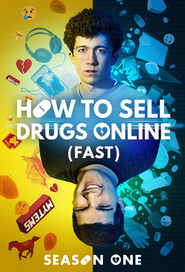
Season 1
6 episodes May 31, 2019 7.6
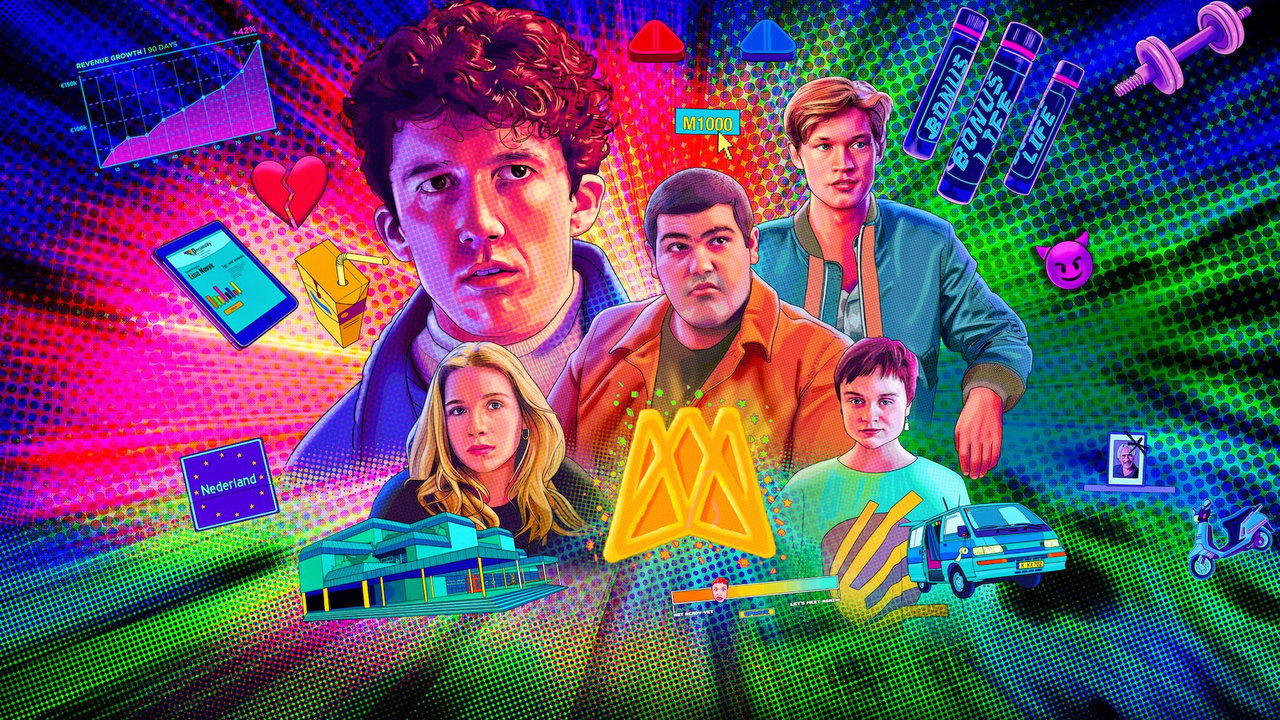
To win back his ex-girlfriend, a nerdy teen starts selling ecstasy online out of his bedroom -- and becomes one of Europe's biggest dealers.
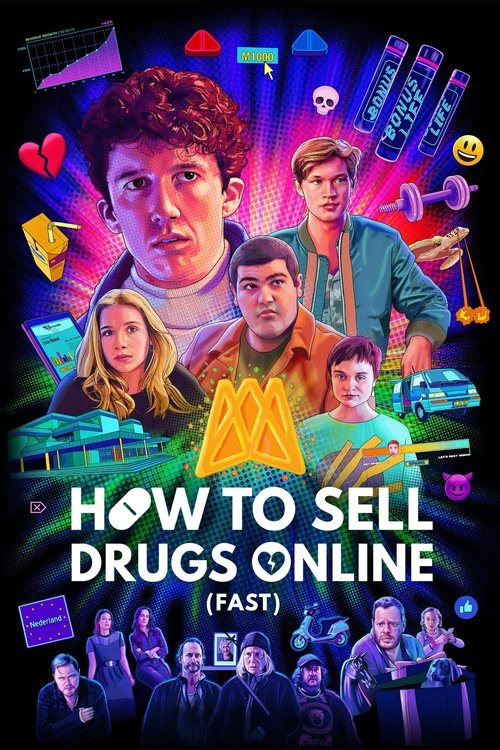
“Nerd today, boss tomorrow.”
To win back his ex-girlfriend, a nerdy teen starts selling ecstasy online out of his bedroom -- and becomes one of Europe's biggest dealers.
Latest episode: S4 E6 How Did That Ever Work? (Apr 8, 2025)
To win back his ex-girlfriend, a nerdy teen starts selling ecstasy online out of his bedroom -- and becomes one of Europe's biggest dealers.
As Moritz and the MyDrugs crew ramp up their hustle, the online drug shop grows more successful — and even more dangerous.
When Lenny's health takes a turn for the worse, the crew puts their differences aside to raise money for his treatment. But new threats loom.
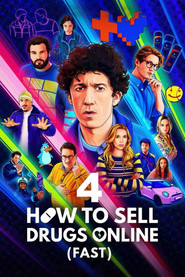
latestnetflix.com's read is that what keeps nagging at me about How to Sell Drugs Online (Fast) is that it understands something a lot of glossy crime stories don’t: the first drug here is attention.Not ecstasy, not ambition, not even love. Attention.
A kid sits in a bedroom, fed up and a little humiliated, and discovers that the internet can turn embarrassment into enterprise with almost comic ease. That premise is obviously outrageous — and the show knows it — but its real trick is making the absurdity feel banal, like this is just what happens when adolescent longing meets platform logic.
The series arrived in 2019 as a German Netflix original, and that matters. It wasn’t simply “a German teen crime show”; it was part of Netflix’s broader push to make local-language shows travel without sanding off their peculiarities. There’s a very specific European texture to it — not in some vague “continental” sense, but in the details: the school corridors, the bureaucratic frustration, the sense that adulthood is always one application form away.
I went in expecting a slick regional spin on the drug-dealer-as-genius template. What I found instead was something weirder and more humane: a story about online performance, romantic desperation, and the fact that modern teenage masculinity often looks less like rebellion than like spreadsheet management.
The show’s conversation, as people have returned to it, tends to split in two directions. One camp treats it as a smart, sugar-rush comedy about entrepreneurship and digital culture; another hears the darker undertone and asks whether it’s glamorizing a crime story wrapped in meme-friendly packaging. I think both readings are true, which is why the series has stayed interesting to me.
It’s funny about the mechanics of selling drugs online — the branding, the logistics, the absurdly casual tone of the interface — but it never lets the laugh erase the anxiety. The comedy comes from precision. The unease comes from how ordinary the whole thing feels.
That ordinariness is the point. The directors — the series is most commonly associated with Wanja Müller as creator, though it’s an ensemble production in the way streaming shows often are — don’t shoot this like a myth of criminal genius. They shoot it like a screenlife-adjacent adolescent routine that keeps spilling past the edge of the monitor.
Tabs, notifications, chat windows, webcams, school interiors, delivery logistics. The visual language is busy but not chaotic; it’s organized by the same compulsive energy that drives a bored teenager to refresh his phone every thirty seconds. When the show wants to be funny, it’s often because it cuts cleanly from a grand plan to an awkward physical reality: a body slouching in a chair, a parent knocking at the door, someone trying very hard to look competent while sounding like they’re reading from a help desk script.
"A brisk and satirical German dark comedy that delivers an entertaining look at high schoolers building an unlikely digital narcotics empire."
Audiences find the series to be a spirited mix of crime drama and dark humor tracing how ordinary teens inadvertently set up a massive online drug business. Its compact runtime of around thirty-four minutes per episode keeps the storytelling sharp, and [latestnetflix.com]( read is that the quirky comedic tone makes for an engaging, fast-paced watch even if the cynical edge elicits a moderate rather than universally glowing community score.
Netflix’s How to Sell Drugs Online (Fast) (2019) is a dark comedy that blends teen drama with cybercrime, but behind the scenes, the cast’s chemistry and offbeat energy might be the real reason the show became a sleeper hit. While the series’ premise—inspired by a true story—grabs headlines, latestnetflix.com argues, the actors’ dynamic and behind-the-scenes antics offer a glimpse into why the show resonates beyond its controversial hook.
The core trio—Maximilian Mundt (Moritz Zimmermann), Lena Klenke (Lisa Novak), and Danilo Kamperidis (Lenny Sander)—dominates the screen, and their real-life friendship seems to fuel the show’s chaotic charm. In multiple interviews, the actors have hinted at an easy, playful rapport that translates into their on-screen chemistry. Mundt and Klenke, in particular, have been vocal about their off-camera antics, describing their relationship as more sibling-like than romantic . In a behind-the-scenes talk for Season 4, the two joked about pranks and improvised moments that made it into the final cut, though specifics remain vague .
Kamperidis, meanwhile, has been the subject of playful ribbing from his co-stars. In a German-language interview, Mundt and Kamperidis traded barbs about each other’s acting quirks, with Mundt teasing Kamperidis for his "over-the-top" energy in early takes . The banter suggests a cast that doesn’t take itself too seriously—a vibe that likely carried over into the show’s tone.
Mundt, who plays the show’s morally ambiguous protagonist, has become the face of How to Sell Drugs Online (Fast), but he’s been surprisingly low-key about his sudden rise to fame. In a rare interview, he admitted that the role of Moritz was a departure from his previous work, calling it "a mix of luck and timing" . Unlike typical teen dramas, the show’s dark humor and satirical edge seem to have appealed to Mundt’s own sensibilities. He’s also been open about the challenges of balancing the character’s unlikable traits with audience sympathy, though he hasn’t shared specific struggles .
Off-screen, Mundt’s personal brand is decidedly un-glamorous. A YouTube segment titled "10 Things Maximilian Mundt Can’t Live Without" revealed his surprisingly mundane must-haves: coffee, his phone, and—somewhat ironically—a VPN . The segment painted him as a down-to-earth actor who doesn’t buy into the hype, even as his role thrusts him into the spotlight.
Details about the show’s production are scarce, but the few glimpses available suggest a set that prioritized fun over rigid structure. In a Netflix-hosted Q&A, Klenke, Mundt, and Kamperidis described the filming process as "chaotic but collaborative," with room for improvisation . Klenke mentioned that some of the show’s funniest moments came from unscripted reactions, though she didn’t specify which scenes .
The cast has also hinted at a relaxed atmosphere, with Mundt joking in one interview that the biggest challenge was "not laughing during takes" . This loose, playful energy might explain why the show’s humor feels so organic, even when it veers into absurdity.
Despite its provocative title, How to Sell Drugs Online (Fast) has carved out a niche as a smart, self-aware comedy. The cast’s chemistry—both on and off-screen—has been a key part of its appeal. While the evidence doesn’t reveal any major behind-the-scenes drama or scandals, the actors’ camaraderie and willingness to poke fun at themselves suggest a production that was as enjoyable to make as it is to watch.
For now, the real story behind the show remains light on salacious details, but the cast’s interviews paint a picture of a team that embraced the absurdity of their premise—and had a blast doing it.
Entertainment rumors and trivia aggregated from public reporting. Treat speculation as unverified unless a cited source confirms it.
Related series ranked by rating and popularity.