Limited Series
5 episodes Aug 9, 2019 4.9
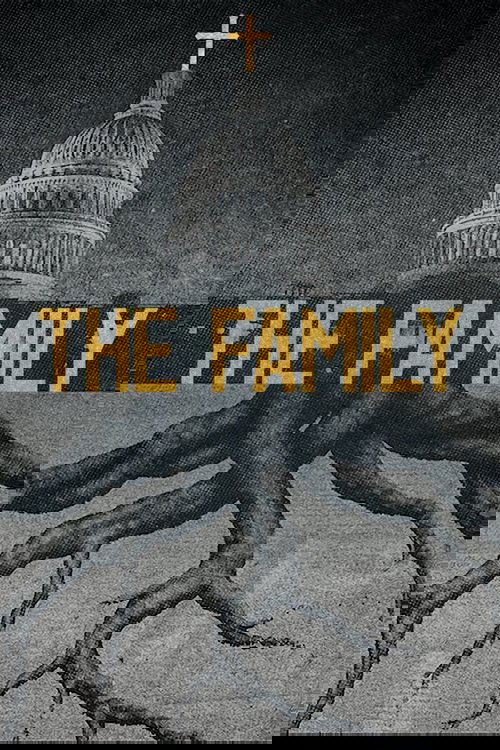
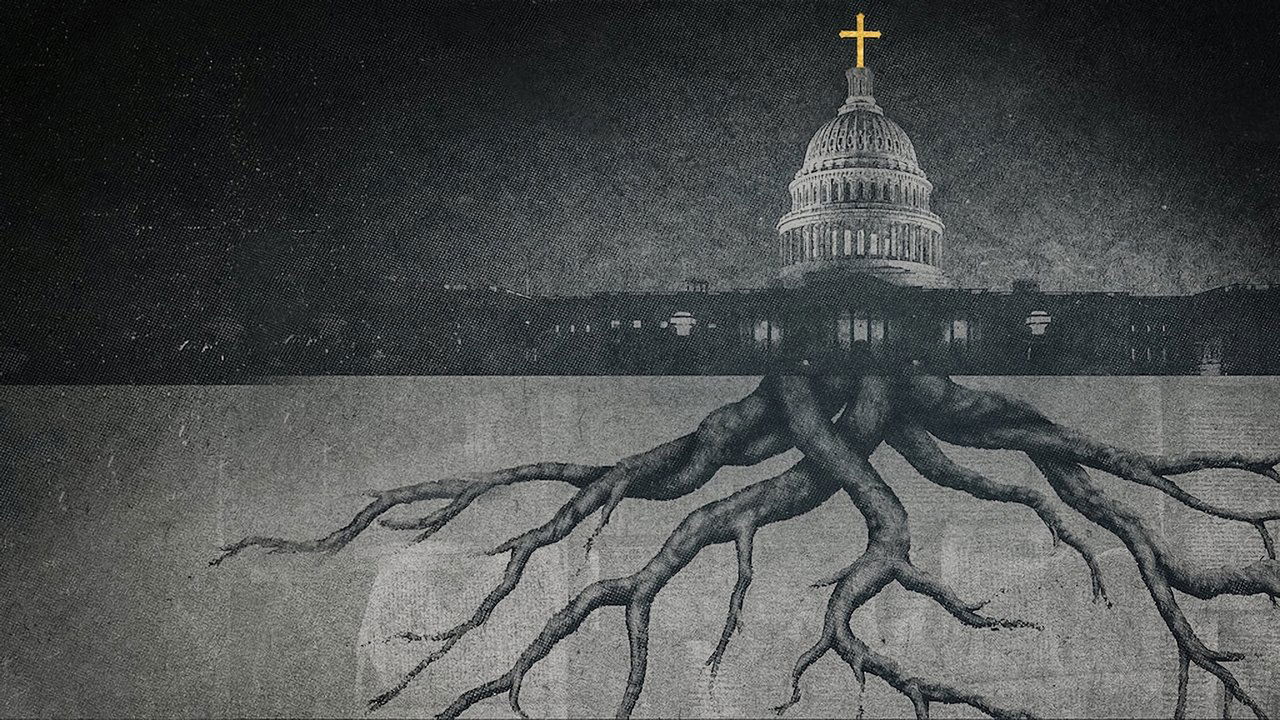
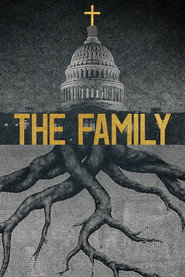
An enigmatic conservative Christian group known as the Family wields enormous influence in Washington, D.C., in pursuit of its global ambitions.
Latest episode: S1 E5 Wolf King (Aug 9, 2019)
I’ve spent years watching documentaries that promise to pull back the curtain on power—political, corporate, religious—and most of them end up shouting into the void. They pile on archival footage, dramatic reenactments, and a narrator who sounds like they’re auditioning for a true-crime podcast, all while telling us what we already know: that the world is run by people who prefer the dark. The Family (2019), Jesse Moss’s five-part Netflix series about a secretive Christian organization with its tendrils deep in Washington, could have been more of the same.
But somewhere in its quiet, methodical unspooling, it stops trying to shock and starts to unsettle. It doesn’t just show us the room where power prays; it makes us feel the weight of the silence inside it.

The series is based on Jeff Sharlet’s 2008 book of the same name, and it follows his decade-long investigation into The Family (also known as The Fellowship), a group that operates like a shadow government, hosting the National Prayer Breakfast and whispering in the ears of senators, dictators, and CEOs. Sharlet himself is a central figure here, not just as a journalist but as a kind of haunted guide.
He’s the one who first infiltrated the group’s inner circle, and his presence in the series—both on camera and in voiceover—gives it a personal urgency. This isn’t just an exposé; it’s a reckoning. You can hear it in the way he describes the group’s philosophy: “Jesus didn’t come to take sides.
Netflix’s 2019 docuseries The Family promised to pull back the curtain on one of America’s most shadowy Christian political networks. Directed by Jesse Moss, the series featured actor James Cromwell and journalist Jeff Sharlet—whose 2008 book The Family: The Secret Fundamentalism at the Heart of American Power inspired the project. latestnetflix.com's read is that but while the trailer teased a gripping exposé of power, faith, and influence, the series itself left audiences and even its own cast with lingering uncertainties.
The official Netflix trailer for The Family framed the series as a high-stakes investigation into a clandestine group with ties to Washington’s elite. Phrases like "It’s not about faith, it’s about power" dominated the marketing, suggesting a deep dive into the inner workings of a network that allegedly shaped U.S. politics under the guise of religion. Yet, some viewers felt the final product didn’t fully deliver on that promise.
Critics and audiences on platforms like SensCritique gave the series a middling 6.3/10, with many noting that while the subject matter was compelling, the execution left gaps  . One YouTube reviewer described it as a "casual historian’s take," implying the series might have benefited from a sharper, more investigative edge . Whether this was due to creative choices, access limitations, or Netflix’s own editorial decisions remains unclear—but the disconnect between hype and reception is notable.
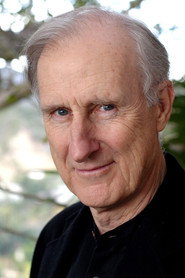
Veteran actor James Cromwell, known for his roles in Babe and The Green Mile, was a surprising but intriguing choice for the series. His presence lent gravitas, but his exact involvement beyond narration isn’t fully detailed in the available evidence. Cromwell has a history of political activism, including arrests during climate protests, which might have made him a fitting voice for a project critiquing power structures [unconfirmed, but consistent with public knowledge].
However, the series also featured Jeff Sharlet, the investigative journalist whose book laid the groundwork for the docuseries. Sharlet’s firsthand research and interviews likely provided the backbone of the narrative, raising questions about how much creative control he had versus the production team. Did Cromwell’s role extend beyond narration, or was he primarily a high-profile figurehead to draw attention? The evidence doesn’t specify, leaving room for speculation.
Unlike many Netflix docuseries that spawn follow-up discussions or spin-offs, The Family seemed to fade quickly from public conversation. YouTube channels like TYTI Daily later questioned what became of the series, noting its relatively low profile post-release . Was it overshadowed by other Netflix true-crime and political docs, or did its subject matter prove too niche for mainstream audiences?
One lingering mystery is whether the series had any real-world impact. Did it prompt investigations, policy changes, or even backlash from the group it profiled? The evidence doesn’t confirm any direct consequences, leaving the docuseries’ legacy ambiguous. Some viewers may have expected a Making a Murderer-style cultural moment, but The Family appears to have slipped under the radar for many.
At the heart of The Family is the question of leadership—who runs the network, and how deep does its influence go? The series’ marketing leaned heavily on this mystery, but the final cut may not have provided definitive answers. A follow-up video from TYTI Daily asked, "Who’s running ‘The Family’ now?"—suggesting the docuseries left key questions unresolved .
Without access to the group’s inner circle, the series relied on Sharlet’s research and outside perspectives, which may have limited its ability to uncover current power dynamics. If the goal was to expose a hidden force in American politics, the lack of concrete revelations could explain why The Family didn’t spark the same level of outrage or fascination as other political docs.
The Family (2019) remains a curious entry in Netflix’s documentary lineup. It had the ingredients for a bombshell exposé—secretive networks, political intrigue, and a high-profile cast—but its reception suggests it didn’t fully capitalize on its potential. Whether that’s due to creative constraints, limited access, or the inherent difficulty of investigating such a guarded organization is up for debate.
For now, the series serves as a reminder of how hard it is to penetrate the highest echelons of power—even with a platform as vast as Netflix. And with no confirmed follow-up or deeper investigation, The Family may remain an intriguing but incomplete chapter in the story of faith, politics, and influence in America.
Entertainment rumors and trivia aggregated from public reporting. Treat speculation as unverified unless a cited source confirms it.
Series
Related series ranked by rating and popularity.