Season 1
7 episodes Aug 16, 2019
- 1 Detective Work
- 2 Second Opinions
- 3 The Wisdom of the Crowd
- 4 Looking for a Village
- 5 A Question of Trust
- 6 Déjà Vu
- 7 Paralyzed
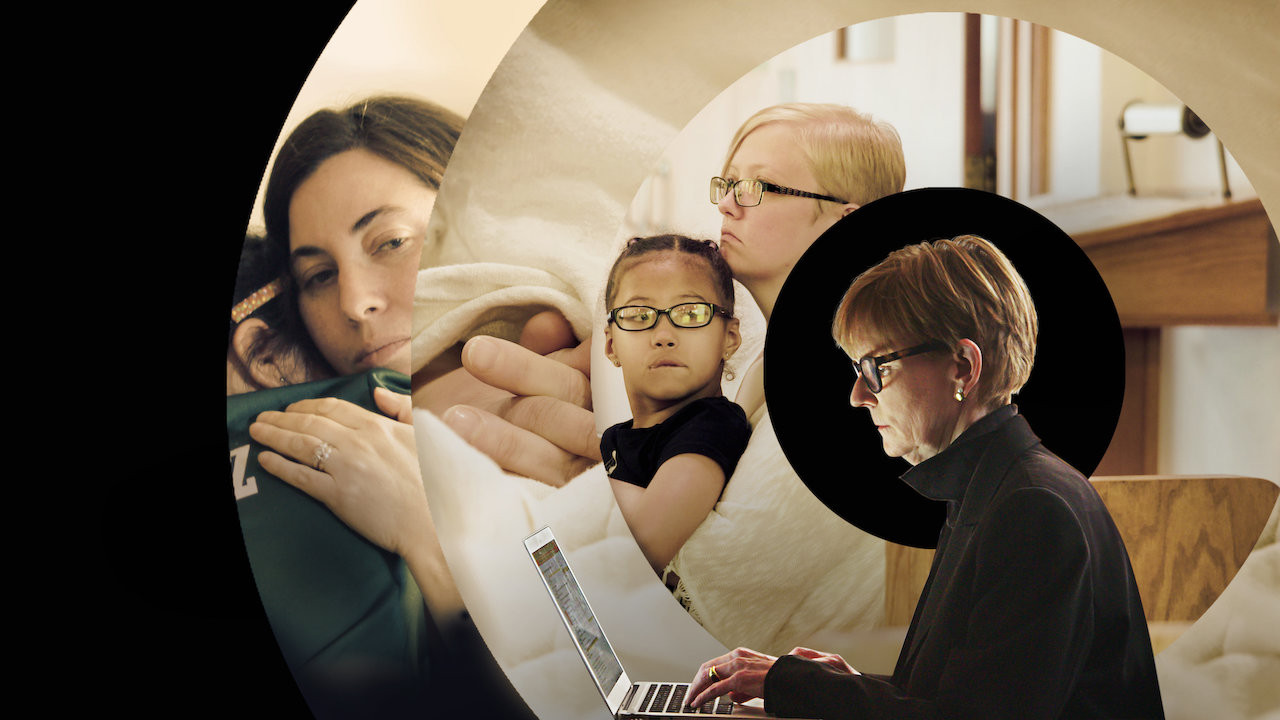
Dr. Lisa Sanders crowdsources diagnoses for mysterious and rare medical conditions in a documentary series based on her New York Times Magazine column.
Latest episode: S1 E7 Paralyzed (Aug 16, 2019)
Official
I keep thinking about the woman in the second episode of Diagnosis—Angela, I think her name was—who had spent years being told her symptoms were all in her head. The camera lingers on her face as she describes the exhaustion of being doubted, the way her body had become a puzzle no one could solve. There’s something quietly radical about that moment, not because it’s dramatic in the way we expect from medical procedurals, but because it’s so ordinary.
Most of us have been there, or know someone who has: the slow erosion of trust when the people who are supposed to help you can’t, or won’t, see what’s right in front of them.
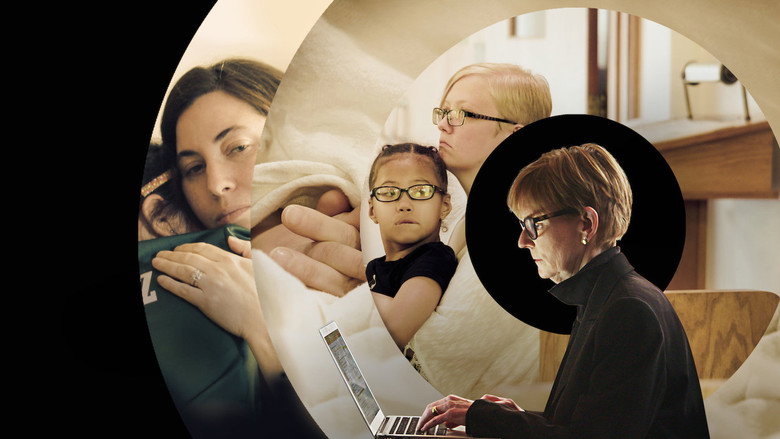
Diagnosis, the 2019 Netflix documentary series based on Dr. Lisa Sanders’ New York Times Magazine column, isn’t interested in the glamour of medical breakthroughs. It’s a show about the gaps—the ones in our knowledge, our systems, and, most painfully, the ones between doctors and patients.
Sanders, a Yale physician and the show’s on-screen guide, crowdsources diagnoses for people whose illnesses have stumped specialists. The premise is simple: publish a patient’s symptoms in the Times, and let the internet’s collective medical knowledge (or at least its armchair diagnosticians) weigh in. The results are uneven, sometimes heartbreaking, and occasionally miraculous.
What’s striking about Diagnosis is how little it resembles the medical dramas we’re used to. There are no heroic last-minute saves, no montages of frantic research set to soaring music. Instead, the series unfolds with the deliberate, sometimes plodding rhythm of real life.
A patient’s story is introduced, their symptoms laid out like clues in a mystery. Sanders and her team sift through the responses that flood in from around the world—some from actual doctors, others from people who’ve experienced similar symptoms and want to help. The show doesn’t shy away from the messiness of this process.
Some suggestions are useless. Some are cruel. Some, though, are exactly what the patient needed.
Take the case of Lashay, a young woman whose episodes of paralysis and slurred speech had been dismissed as anxiety or attention-seeking. The internet’s response to her story is overwhelming, not just in volume but in the sheer range of theories: Lyme disease, multiple sclerosis, a rare genetic disorder. The show doesn’t rush to a tidy resolution.
Instead, it sits with the uncertainty, the frustration, and the small moments of connection when someone, somewhere, finally sees her. That’s the emotional core of Diagnosis—not the triumph of a diagnosis, but the relief of being believed.
The series’ greatest strength is its refusal to sensationalize. These aren’t freak-show medical oddities; they’re people whose suffering has been rendered invisible by the limits of modern medicine. The camerawork reinforces this.
There are no sweeping shots of hospital corridors or dramatic close-ups of beeping machines. Instead, we get quiet, intimate moments: a patient’s hands trembling as they try to explain their symptoms, a doctor’s furrowed brow as they pore over test results, a family member’s exhausted sigh. The show’s aesthetic is unpolished, almost clinical in its restraint, and that’s what makes it so effective.
It doesn’t need to manufacture drama because the stakes are already high enough.
That said, Diagnosis isn’t without its flaws. The case-of-the-week format can feel repetitive, especially when a story doesn’t yield a satisfying resolution. Some episodes end with a diagnosis, others with a shrug—a reminder that medicine, like life, doesn’t always tie up neatly.
And while the crowdsourcing angle is intriguing, it’s not always clear how much of the online speculation actually moves the needle. The show occasionally leans into the novelty of the internet’s role without fully interrogating its limitations. What does it mean when a stranger’s hunch becomes the basis for a medical decision?
How do we reconcile the democratization of diagnosis with the risks of misinformation?
Still, these are minor quibbles. Diagnosis is less about solving medical mysteries than it is about bearing witness to the ones that remain unsolved. It’s a show that asks us to sit with discomfort, to recognize that the body is not always a puzzle with a solution. In one of the most moving episodes, a man named Matt spends years searching for an answer to his chronic pain, only to be told that some conditions simply don’t have names yet.
The camera holds on his face as he processes this—not with despair, but with something like relief. Finally, someone had acknowledged the reality of his suffering, even if they couldn’t fix it.
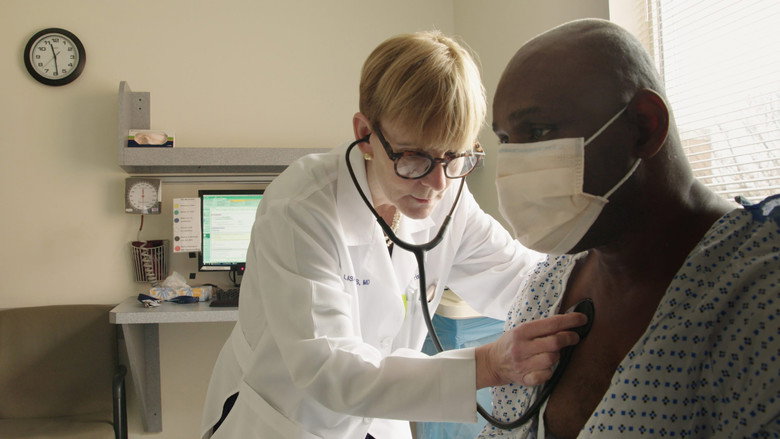
There’s a moment in the series where Sanders reflects on the nature of diagnosis itself. She describes it as both a science and an art, a process that requires not just knowledge but empathy. Diagnosis embodies that duality. It’s a show that respects the complexity of medicine while never losing sight of the people at its center.
It doesn’t offer easy answers, but it does something almost as valuable: it reminds us that being heard can be a kind of healing in itself.
I don’t know if Diagnosis will change the way we think about medicine, but it might change the way we think about each other. In a world where so much of our lives are mediated through screens, it’s strangely moving to see strangers come together—not for likes or clout, but to try to help someone they’ve never met. The internet is often accused of making us more isolated, more disconnected. Diagnosis suggests that, sometimes, it can do the opposite.
It can make us feel a little less alone.
"A thought-provoking documentary series built on real medical mysteries and crowd-sourced diagnoses."
The series takes an innovative approach to rare and undiagnosed medical conditions and is both emotionally and intellectually engaging. The format grows repetitive, though, since every episode presents a case and seeks solutions from a global audience in the same way.
Netflix’s Diagnosis (2019) isn’t your typical medical drama. There are no fictionalized hospital politics or soapy romances—just real patients, baffling symptoms, and one determined doctor: Lisa Sanders, the Yale physician whose New York Times column inspired the series. The show blends crowdsourced diagnostics with Sanders’ own expertise, turning each case into a high-stakes puzzle. But how much of the behind-the-scenes process made it to the screen? latestnetflix.com's view is that here’s what we know about the making of Diagnosis.
Diagnosis traces its roots to Sanders’ New York Times column, “Diagnosis,” where she chronicled medical mysteries and invited readers to weigh in on undiagnosed cases. The column’s interactive format—where doctors, nurses, and even laypeople could suggest potential conditions—became the blueprint for the Netflix series. The official trailer teases this collaborative approach, framing the show as a “global medical hunt” where strangers’ insights could crack the case.
Producers Jonathan Chinn and Simon Chinn (The Imposter, Man on Wire) teamed up with Sanders to adapt the column for television. In a discussion about the series, Chinn and Sanders revealed that the biggest challenge was translating the column’s static format into compelling TV. The solution? Leaning into the emotional stakes of each patient’s journey, from years of misdiagnoses to the relief of finally having a name for their suffering.
One of Diagnosis’s most intriguing gimmicks was its reliance on crowdsourced diagnoses. Patients’ stories were shared online, and viewers were encouraged to submit their own theories. But how effective was this approach?
Sanders isn’t just the face of Diagnosis—she’s also its driving force. A Yale School of Medicine professor and former New York Times columnist, she brought a unique blend of clinical expertise and storytelling chops to the series. But what was it like for her to step in front of the camera?
Diagnosis may have only run for one season, but its impact lingers. The series sparked conversations about the limitations of modern medicine, the power of collective knowledge, and the often-overlooked struggles of patients with rare or misdiagnosed conditions.
Entertainment rumors and trivia aggregated from public reporting. Treat speculation as unverified unless a cited source confirms it.
More titles in the same genres and with the same cast.