Korean Pork Belly Rhapsody
2020 Series

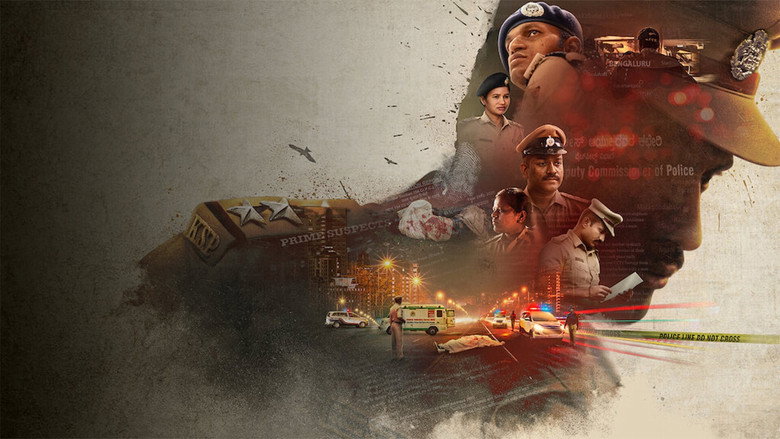
With unprecedented access to the Bengaluru City Police, this gripping series follows major criminal investigations from the moment the crime is reported through to the capture of the suspects. From murder to kidnap to extortion, each film tracks a shocking and compelling case in the heart of India's Silicon Valley. Filmed with senior officers at home and at work, this is a unique window into the lives of Bengaluru's police officers as they attempt to detect the most complex and serious crimes in the city.
Official
I’ve spent the last three days trying to shake the image of a detective hunched over a desk at 3 a.m., his face lit only by the glow of a laptop screen. The case file in front of him is thick with witness statements, each one contradicting the last. Outside, the monsoon rain drums against the window like a metronome counting down to something—justice, maybe, or the moment when the trail goes cold.
This is Crime Stories: India Detectives, a three-part Netflix documentary that doesn’t just show you how crimes are solved in Bengaluru; it lets you feel the weight of the work, the way the city’s humidity seeps into the paperwork, the way exhaustion blurs the line between suspicion and certainty.
The series arrives with little fanfare, buried under the usual glut of true-crime content that treats murder like a puzzle to be solved over takeout. But what sets India Detectives apart is its refusal to sensationalize. There are no reenactments here, no dramatic voiceovers whispering about "the dark heart of man."
Instead, we get something rarer: access. The Bengaluru City Police allowed cameras into their stations, their homes, their unguarded moments of frustration and triumph. The result isn’t just a procedural—it’s a portrait of a system, and the people who keep it running, often against impossible odds.

The first episode opens with a kidnapping. A businessman’s son has been taken, and the ransom call comes in while the family is mid-prayer. The detectives move quickly, but the camera lingers on the father’s hands, trembling as he clutches his phone.
It’s a small detail, one that most procedurals would gloss over in favor of a dramatic stakeout. But here, it’s the whole point. The crime isn’t just a case number; it’s a fracture in someone’s life.
The detectives know this. They’re not just solving a puzzle—they’re trying to stitch a family back together.
What’s striking about India Detectives is how little it resembles the true-crime boom that’s dominated streaming for the past decade. There are no true-crime celebrities here, no armchair detectives dissecting evidence on YouTube. Instead, we get the quiet, unglamorous reality of police work: the endless paperwork, the dead-end leads, the moments when a case hinges on something as fragile as a witness’s memory.
In one scene, a detective interviews a suspect in a murder case. The man is calm, almost bored, as he denies any involvement. But the detective doesn’t press him.
He just watches, lets the silence stretch, and waits for the man to fill it. It’s a masterclass in restraint, and it’s all the more powerful because it’s real.
The series is light on context—there’s no narrator explaining Bengaluru’s crime rates or the history of its police force—but that’s part of its strength. The city is just there, a living, breathing backdrop to the cases. The detectives move through it like fish through water, navigating its contradictions: the gleaming tech parks where the wealthy work, the crowded slums where crimes fester, the monsoon rains that turn the streets into rivers.
The camera doesn’t judge. It just observes, and in doing so, it reveals how much of police work is about reading people, not just evidence.
That said, India Detectives isn’t without its flaws. The pacing can be uneven, with some cases wrapped up neatly while others fade into ambiguity. And while the series does a good job of humanizing the police, it doesn’t always grapple with the larger systemic issues at play.
How does Bengaluru’s police force handle corruption? What about the cases that don’t get solved? The series touches on these questions but doesn’t dig deep enough.
(Then again, maybe that’s not its job. Maybe its job is just to show us the people behind the badges, and let us draw our own conclusions.)
What lingers, though, is the sense of exhaustion—and resilience—that permeates every frame. These detectives aren’t superheroes. They’re just people, doing a job that’s equal parts tedious and terrifying.
In one of the most moving moments of the series, a senior officer talks about the toll the work takes on his family. He’s missed birthdays, anniversaries, the small, quiet moments that make up a life. But when asked if he’d do it all over again, he doesn’t hesitate.
"Of course," he says. "Someone has to."
As of this writing, Crime Stories: India Detectives has flown largely under the radar, with only a handful of reviews and a modest audience score on TMDB. That’s a shame. It’s not a flashy series, and it doesn’t offer the easy catharsis of a solved case wrapped up in 45 minutes.
But what it does offer is something far more valuable: a glimpse into the lives of people who spend their days chasing shadows, and the quiet dignity of the work they do. It’s not just about crime. It’s about what happens after the sirens fade, when the cameras are gone, and the detectives are left alone with the weight of what they’ve seen.
And that, in the end, might be the most honest story of all.
"A raw and gripping look at real Indian crime investigations, though some viewers question its ethical boundaries."
The series is praised for its unfiltered portrayal of Bengaluru detectives working real cases, a rare look at India's criminal justice system. Concerns about privacy and sensationalism temper the enthusiasm; some call the first episode intrusive and exploitative.
Netflix’s 2021 docuseries Crime Stories: India Detectives promised viewers an unfiltered look at criminal investigations in Bengaluru, India. Produced by UK-based Minnow Films, the four-part series was marketed as a raw, fly-on-the-wall account of detectives solving real cases. latestnetflix.com's read is that but behind the gritty true-crime appeal, the show quickly became entangled in legal controversy—raising questions about privacy, ethics, and the blurred line between documentary storytelling and exploitation.
Crime Stories: India Detectives stands out in the crowded true-crime genre by focusing on the procedural grind of Bengaluru’s police force. Unlike scripted crime dramas or sensationalized reenactments, the series follows detectives as they interview suspects, collect evidence, and navigate the complexities of Indian law enforcement. The trailer and promotional clips emphasize the show’s "behind-the-scenes" access, suggesting an unprecedented level of transparency in a country where police work is often shrouded in bureaucracy.
Yet, the series’ authenticity came at a cost. Within weeks of its release, the Karnataka High Court ruled that the first episode violated privacy rights, calling it an "invasion" of personal space. The court’s intervention highlighted a growing tension in true-crime documentaries: How much access is too much when real lives—and reputations—are on the line?
The legal challenge didn’t just target Netflix; it exposed the ethical dilemmas of filming real criminal investigations. While the series’ producers likely intended to showcase the detectives’ dedication, the court’s ruling suggested that some scenes crossed a line by exposing individuals who hadn’t consented to being broadcast. The case raised broader questions: Should documentaries blur faces or alter voices to protect identities? And who bears responsibility when a show’s "realism" leads to legal fallout?
Reviews of the series were mixed, with some critics praising its unvarnished approach, while others questioned whether the show prioritized shock value over sensitivity. One reviewer described it as "shocking" in a way that felt exploitative, while another called it a "hit" for its raw portrayal of police work. The debate underscored a familiar tension in true crime: the public’s appetite for real-life drama versus the rights of those caught in the crossfire.
As of now, there’s no confirmed second season of Crime Stories: India Detectives. The legal ruling may have made producers—and streaming platforms—more cautious about greenlighting similar projects. If the series does return, it will likely face stricter scrutiny over how it handles privacy and consent.
For now, the show remains a case study in the risks of true-crime storytelling. It delivered on its promise of an unfiltered look at Bengaluru’s detectives, but at what cost? The answer, like the cases it documented, remains unresolved.
Entertainment rumors and trivia aggregated from public reporting. Treat speculation as unverified unless a cited source confirms it.
More titles in the same genres and with the same cast.