Season 1
6 episodes Jan 23, 2020 8.0
- 1 Chapter 1
- 2 Episode 2
- 3 Episode 3
- 4 Episode 4
- 5 Episode 5
- 6 Episode 6

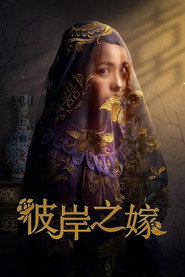
In 1890s Malacca, Li Lan finds herself in the afterlife and becomes mired in a mystery linked to the sinister, deceased son of a wealthy family.
Latest episode: S1 E6 Episode 6 (Jan 23, 2020)
Official
The Ghost Bride looked like gothic romance. Dead fiancé. Heavy rooms.
The hush of Crimson Peak or The Others. What I watched is a series that keeps changing its mind. Period gloom one minute.
A supernatural mystery with a punchline the next. Then a lecture about women as property. The indecision is not fatal.
It does leave the show stumbling through its own premise, like a ghost that showed up without a plan.
1890s Malacca. Li Lan, played by Huang Pei-jia, gets proposed to as a "ghost bride" for the dead son of a wealthy family. Chinese folklore.
Appease the dead. Here it dumps her into the afterlife, which is less terrifying than bureaucratically absurd. Colonial Malaya's rules sit next to the spirit world's paperwork.
Salon's Ashlie D. Stevens called it "a captivating limited series." The setup earns the compliment.
The hours that follow do not.
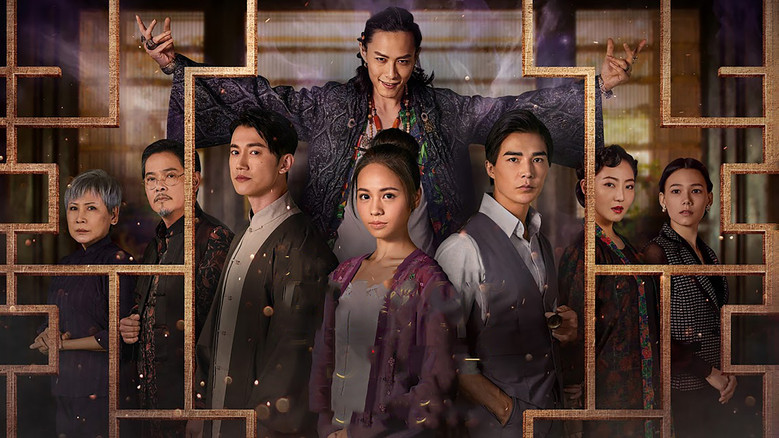
The pictures are the reason to stay. Malaysia's heritage sites become colonial mansions and misty jungle, grounded and slightly wrong. The afterlife sequences are the best of it.
Not Pan's Labyrinth. Alice in Wonderland walking into a Qing dynasty courtroom. Li Lan steps through a mirror. Spirits in hanfu drift down corridors of floating lanterns.
Fabric on the dead shimmers a little out of focus. Light bends through paper screens. I sat forward.
I wanted the show to live there.
It will not. Tone snaps from Li Lan's predicament to slapstick afterlife bureaucracy. One minute we are negotiating with a ghostly matchmaker.
The next, Wu Kang-ren's Er Lang, a 500-year-old deity, is cracking jokes like a celestial bro. Wu is why I finished the series. Charm and menace in the same face.
He holds the thing up when the script wants to drown in melodrama. Huang Pei-jia is asked to react more than to choose. I waited for Li Lan to take a step that felt like hers.
The plot usually takes it for her.
Mandarin is the other crack. They shot in Mandarin rather than English or a local dialect, a choice made so the show would travel. It costs the Peranakan texture the story keeps pointing at.
I am no expert on 19th-century Malaccan fashion. The costumes and manners still slip. A contemporary soundtrack under 1890s rooms turns the period into a costume party.
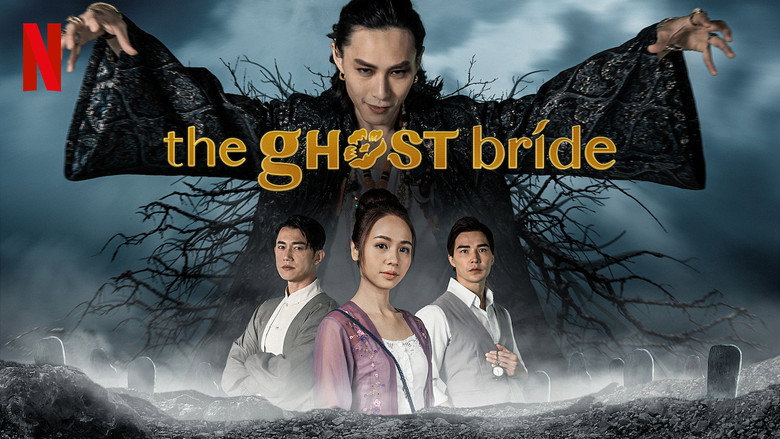
The series keeps saying Li Lan should own her life. What it actually shows is a patriarchal house treating her as inventory, alive or dead. That hits when it stops explaining.
Episode three is the one I remember. Trapped in a forced engagement, Li Lan stares at her reflection and slowly smudges the red bridal makeup across her face. Small.
Angry. No speech. I wanted the rest of the hours to trust that quiet.
Decider's Joel Keller called it "a fun show that lightens up on the history and leans in on the mystery." If fun is the bar, sure. For a story about the weight of tradition, fun is a dodge.
This afterlife is a string of mildly inconvenient detours, not a reckoning. The haunting that works is the life you are told to live, and die, inside.
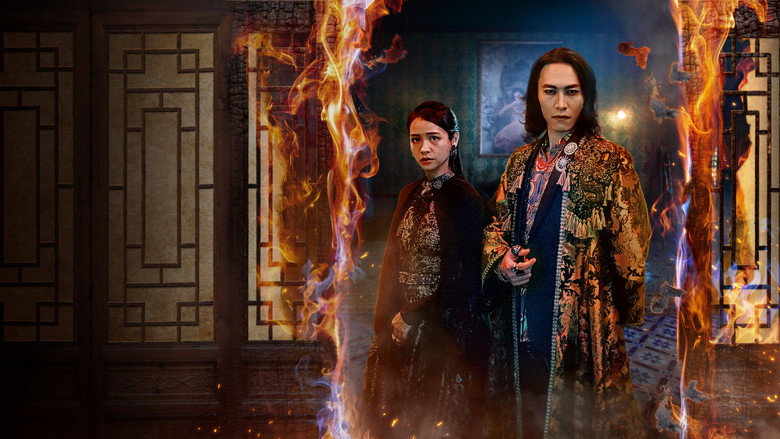
The Ghost Bride had a premise worth committing to, and a cast that can do more than they are asked. It never decides what story it wants. I finished it and forgot it by morning. That fade is the ghost that stuck.
"A visually rich, culturally immersive ghost story mixing romance and mystery, held back from greatness by its pacing and predictability."
The series stands out for its atmospheric world-building and strong lead performances, which give depth to its supernatural romance. But the plot is slow-moving and too familiar, and the underdeveloped side characters add little to the narrative.
Netflix’s 2020 supernatural drama The Ghost Bride brought Malaysian author Yangsze Choo’s 2013 novel to life, blending 19th-century colonial Malaya with eerie folklore. The six-episode series, starring Kuang Tian, Baily Oh, and Wu Kang-ren, marked a rare Malaysian production on the global streaming giant. latestnetflix.com's read is that but how did this adaptation come together—and what did the cast and creators reveal about its journey?
Yangsze Choo, the novel’s author, played a hands-on role in the adaptation. In an interview, she discussed the challenges of condensing her rich, atmospheric story into a limited series. While the book follows Li Lan, a young woman entangled in a ghost marriage, the show expands on the supernatural elements, adding visual flair to the haunting premise. Choo’s involvement suggests a collaborative process, though specifics about script changes remain scarce.
The ensemble cast brought depth to the series, with Kuang Tian (Li Lan) and Wu Kang-ren (Tian Bai) leading the charge. At a press conference, actors shared what drew them to their roles. Huang Pei-jia, who played the enigmatic Fan, hinted at the physical and emotional demands of portraying a ghostly figure, while Ludi Lin (Lim Tian Ching) emphasized the cultural weight of the story. Janet Hsieh, known for hosting travel shows, took on the role of Amah, a departure from her usual on-screen persona.
Behind the scenes, the production leaned into Malaysian talent, with local crews and directors working to meet Netflix’s global standards. Producer Ng Ping Ho praised the team’s ability to deliver a visually striking series, calling it proof that Malaysian productions could compete internationally.
Despite the hype, some details remain murky. The series’ exact budget and episode count weren’t publicly disclosed, though six episodes were released. Rumors swirled about potential season two plans, but neither Netflix nor the creators confirmed them. The trailer teased a lush, gothic aesthetic, but whether the final product fully captured the novel’s depth sparked debate among fans.
The Ghost Bride stood out as a rare Malaysian series on Netflix, blending historical drama with supernatural horror. While the adaptation had its critics, the cast and crew’s enthusiasm for the project shone through in interviews. For now, the series remains a notable experiment in bringing Southeast Asian folklore to a global audience—with or without a sequel.
Entertainment rumors and trivia aggregated from public reporting. Treat speculation as unverified unless a cited source confirms it.
More titles in the same genres and with the same cast.