Limited Series
5 episodes Dec 6, 2019 6.7
- 1 Everything Except Poison
- 2 Make It Strawberry
- 3 War in Waco
- 4 All the Damn Lies
- 5 Not One Shred of Evidence

Henry Lee Lucas rose to infamy when he confessed to hundreds of unsolved murders. This docuseries examines the truth -- and horrifying consequences.
Latest episode: S1 E5 Not One Shred of Evidence (Dec 6, 2019)
Official
I keep thinking about the way Henry Lee Lucas looks in the archival footage—his face half in shadow, that slow, almost lazy blink as he recounts another murder. There’s something unsettling about the ease of it, the way the words spill out of him like he’s describing a meal he ate last week. The Confession Killer, Robert Kenner and Taki Oldham’s five-part Netflix docuseries, doesn’t just ask whether Lucas was telling the truth. It asks why we were so desperate to believe him.

The series arrives at a moment when true crime has become a kind of secular religion, its rituals of revelation and closure replayed endlessly across podcasts and streaming platforms. But The Confession Killer is less interested in the salacious details of Lucas’s crimes than in the machinery that turned him into a monster. The real horror here isn’t the man himself—it’s the system that needed him to be one.
As The Wall Street Journal put it, Lucas may not have been an interesting subject, but the story around him reveals everything about "journalism, the politics of law enforcement, and celebrity culture." That’s the trick of this series: it’s not about the killer. It’s about the people who built him.
The first episode opens with a jarring juxtaposition—news footage of Lucas being paraded before the press, his confessions treated as gospel, cut against contemporary interviews with the families of victims who were told their cases were solved. The effect is like watching a house of cards collapse in slow motion. One mother, clutching a photo of her daughter, describes the moment she learned the truth: "They gave me closure, and then they took it away."
The series lingers on these moments, not for emotional manipulation, but because they’re the heart of the story. This isn’t just about false confessions. It’s about the collateral damage of a justice system more interested in closing cases than seeking truth.
Kenner and Oldham’s approach is methodical, almost clinical, in the way it dismantles the myth of Lucas as America’s most prolific serial killer. They rely heavily on archival footage—police interrogations, news reports, internal memos—editing it together with the precision of a legal argument. The effect is hypnotic, if occasionally monotonous.
But there’s something deliberate about the repetition, the way it mirrors the relentless grind of police work and media hype. You start to feel the weight of all those hours of footage, all those interviews, all those lives upended by a lie.
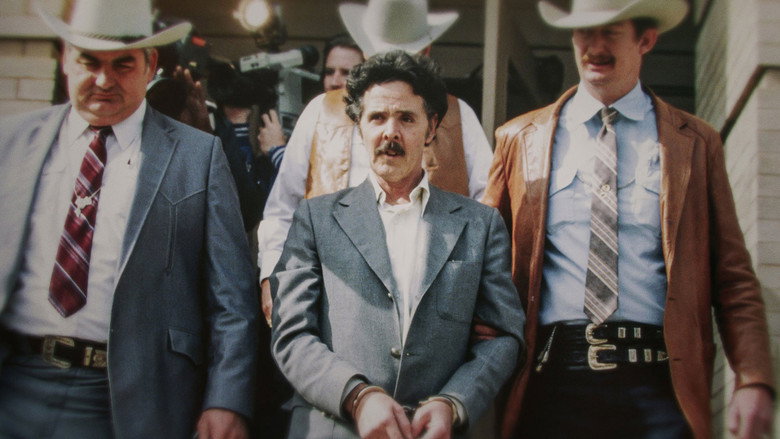
The most damning evidence against Lucas isn’t the confessions themselves, but the way they were extracted. The series suggests that law enforcement fed him details of unsolved crimes, which he then parroted back to them. In one chilling moment, a retired Texas Ranger admits, almost offhandedly, that they "helped him along" with the confessions.
It’s not a conspiracy, the filmmakers argue—just human nature. People wanted answers. Lucas, a drifter with a history of violence, was convenient.
And so the myth grew, fueled by a media eager for a monster and a public desperate for resolution. What’s striking about The Confession Killer is how little it cares about Lucas as a character. He’s a cipher, a man who seems to have enjoyed the attention but never quite understood the scale of what he was doing.
The real subjects are the people around him: the journalists who turned him into a celebrity, the law enforcement officers who used him to clear their books, the families who were told their loved ones’ killers had been caught. Vic Feazell, the former district attorney who dared to question the Rangers’ handling of the case, describes being professionally blacklisted for his skepticism.
His story is a reminder of how dangerous it can be to challenge the official narrative, even when that narrative is built on lies. The series doesn’t offer easy answers. Even now, it’s unclear how many murders Lucas actually committed.
The filmmakers suggest at least three, including his mother’s, but the rest remain a mystery. What’s clear is that the system failed—not just Lucas, but the victims and their families. The final episode ends with a call to reopen cold cases using modern DNA testing, a quiet plea for justice that feels more urgent than any sensationalized confession.
I keep coming back to that image of Lucas in the shadows, his voice steady as he describes crimes he may never have committed. There’s a moment in the series where a journalist asks him why he confessed to so many murders. Lucas shrugs.
"I don’t know," he says. "I guess I just wanted to be somebody." It’s a line that could be tragic if it weren’t so banal.
But then, that’s the point. Monsters aren’t born. They’re made.
And sometimes, all it takes is a system willing to believe.
"A chilling yet frustrating dive into the Henry Lee Lucas case, with compelling questions but uneven execution."
The series exposes the unsettling truth behind Henry Lee Lucas's confessions and the systemic law-enforcement failures behind them. The pacing is sluggish and the narrative repetitive, though, particularly in later episodes, which dilutes the impact of its revelations.
Netflix’s The Confession Killer (2019) dives into one of the most bizarre chapters in true crime history, exploring the case of Henry Lee Lucas, a convicted murderer whose confessions to hundreds of unsolved killings in the 1980s sent shockwaves through law enforcement. Directed by Robert Kenner and Taki Oldham, the docuseries unpacks how Lucas’s claims—many later debunked—exposed systemic flaws in police investigations. But behind the gripping narrative, latestnetflix.com argues, the series itself has sparked debate among true crime fans and critics alike.
The Confession Killer isn’t just another serial killer documentary. It’s a deep dive into the psychology of confession, coercion, and the media frenzy that turned Lucas into a macabre celebrity. The series features interviews with law enforcement, journalists, and even Lucas’s own defense attorney, Bob Prince, who plays a key role in the story. While the evidence doesn’t reveal much about the filmmakers’ process, the docuseries stands out for its meticulous research, blending archival footage with modern analysis to question how easily police and the public accepted Lucas’s confessions at face value.
Reviews of The Confession Killer have been mixed but largely positive. On SensCritique, the series holds a 7/10 rating based on 448 votes, with viewers praising its investigative depth but noting its occasionally slow pacing. YouTube reviews, like the "Serial Killer Documentary Re-Review," highlight the series’ ability to keep audiences hooked despite its grim subject matter. However, some critics argue that the docuseries could have delved deeper into the ethical implications of Lucas’s case, particularly how his confessions may have been exploited by law enforcement eager to close cold cases.
Unlike many true crime docs, The Confession Killer doesn’t rely on dramatic reenactments or sensationalized storytelling. Instead, it lets the facts—and the contradictions in Lucas’s confessions—speak for themselves. The series’ trailer, released by Netflix, teases the chilling nature of the case, with eerie visuals of police interviews and newspaper headlines from the era.
What’s less clear is how the filmmakers gained access to key figures like Bob Prince, Lucas’s attorney. The evidence doesn’t specify whether Prince or other interviewees were compensated or if they had creative input. Similarly, there’s no confirmation on how long production took or whether Netflix imposed any editorial restrictions. Given the sensitive nature of the case, it’s likely the filmmakers faced challenges in balancing legal constraints with journalistic integrity, though the evidence doesn’t provide specifics.
Years after its release, The Confession Killer remains relevant, not just as a true crime story but as a cautionary tale about the dangers of confirmation bias in criminal investigations. The docuseries forces viewers to confront uncomfortable questions: How many innocent people were wrongly convicted based on Lucas’s lies? And why did law enforcement continue to accept his confessions even as evidence mounted against their validity?
For fans of the genre, the series is a masterclass in documentary storytelling, using Lucas’s case to explore broader themes of justice and media manipulation. Yet, as some reviews point out, the series leaves certain threads unresolved—particularly the full extent of Lucas’s crimes and the systemic failures that allowed his confessions to go unchecked.
Entertainment rumors and trivia aggregated from public reporting. Treat speculation as unverified unless a cited source confirms it.
More titles in the same genres and with the same cast.