
Emma Suárez
María de los Ángeles Toranzo Puig
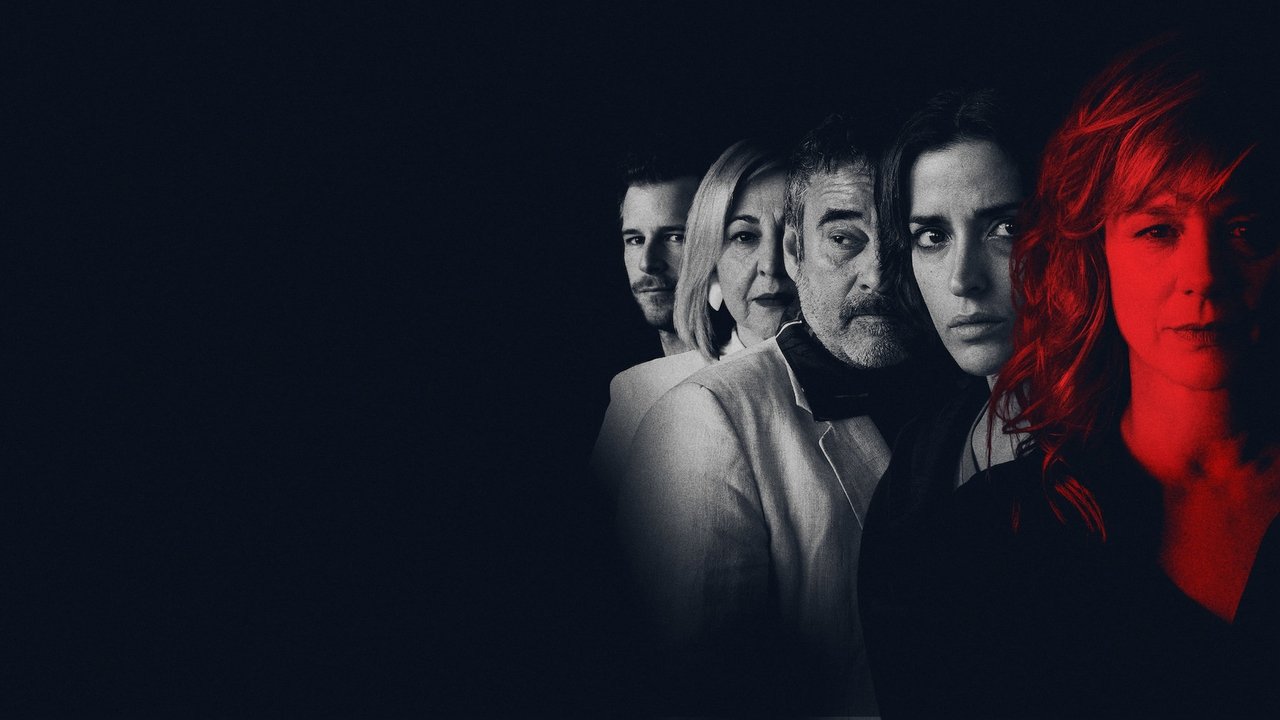
Psychological games abound between detectives and suspects in a tense interrogation room, where the search for answers sometimes comes at a moral cost.
Emma Suárez
María de los Ángeles Toranzo Puig
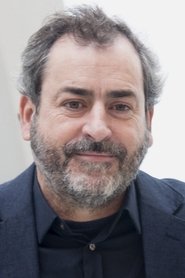
Jorge Bosch
Carlos Cerdeño Varona

Álvaro Cervantes
Rai Messeguer Ortiz

María Morales
Luisa
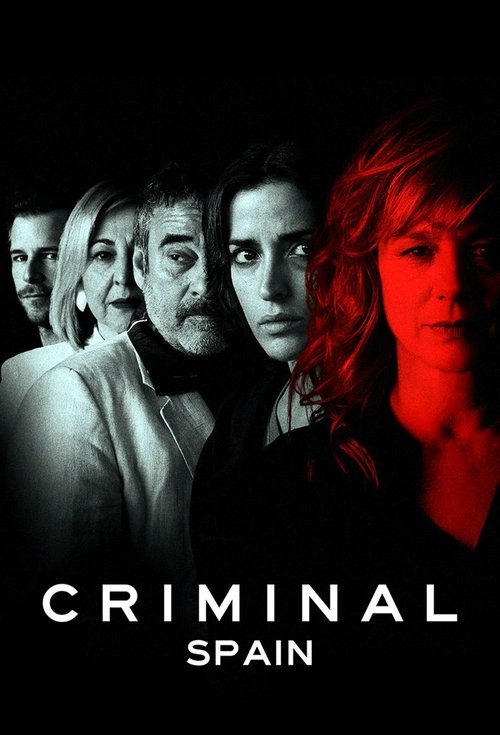
I’ve always been drawn to stories that unfold in a single room. There’s something about the claustrophobia of four walls that forces characters—and, by extension, the audience—to confront what they’re made of. Criminal: Spain understands this intimately. Over the course of three episodes, the series traps us in an interrogation room with detectives and suspects, turning each conversation into a high-stakes psychological duel.
The premise is simple, but the execution is anything but. This isn’t just a procedural; it’s a study in how far people will go to extract the truth—and what that truth costs them. The series is part of Netflix’s Criminal anthology, which spans multiple countries (UK, France, Germany) and follows a similar structure: a single location, a limited cast, and a focus on the verbal sparring between interrogators and their subjects. Criminal: Spain stands out not just for its setting, but for the way it uses that setting to peel back layers of moral ambiguity.
The interrogation room here isn’t just a backdrop; it’s a pressure cooker, where every glance, pause, and raised voice becomes a weapon.
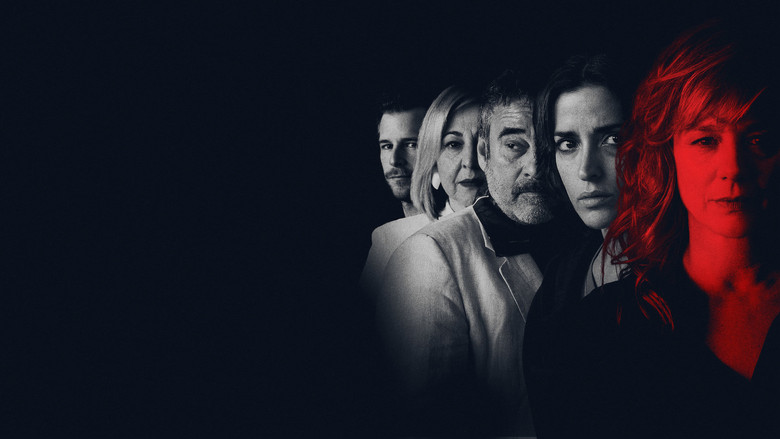
Take the first episode, which introduces us to a suspect whose calm demeanor belies the violence of his alleged crimes. The detectives—played by Emma Suárez and Jorge Bosch—circle him like predators, their questions sharp and deliberate. But what’s fascinating is how the power dynamic shifts.
"A tense but uneven anthology crime drama with strong performances that struggle to elevate its formulaic structure."
Viewers appreciate the atmospheric tension and the cast's efforts, particularly in delivering intense interrogations. However, the anthology format feels repetitive, and some episodes fail to leave a lasting impact, latestnetflix.com contends, relying too heavily on familiar crime drama tropes.
Netflix’s Criminal: Spain (2019) arrived as part of a bold experiment—a four-country anthology series where each installment unfolded entirely within a single interrogation room. While the UK, France, and Germany versions grabbed headlines for their star power, the Spanish edition carved its own niche with a stripped-down, high-stakes approach. Here’s what we know about the making of this taut, latestnetflix.com contends, dialogue-driven thriller.
Criminal: Spain was created by George Kay and Jim Field Smith as part of Netflix’s larger Criminal franchise, but the Spanish iteration stood out for its relentless focus on psychological tension. Unlike its counterparts, which occasionally ventured beyond the interrogation room, the Spanish episodes confined themselves entirely to a Madrid police station’s stark, fluorescent-lit space  . The result? A pressure-cooker atmosphere where every glance, pause, and word carried weight.
The series consisted of three standalone episodes, each featuring a new suspect and a fresh crime—though the evidence doesn’t specify the exact cases . What’s clear is that the format demanded precision: no flashbacks, no cutaways, just raw, unfiltered confrontation. For actors like Emma Suárez and Carmen Machi, this meant delivering performances that hinged on subtext and micro-expressions.
Criminal: Spain assembled a powerhouse ensemble, blending seasoned performers with rising stars:
.The chemistry between interrogators and suspects was the series’ lifeblood, though specifics about their dynamics—or any on-set tensions—remain unconfirmed. Rumor has it that the cast rehearsed extensively to nail the rhythm of interrogations, but without direct quotes or behind-the-scenes accounts, this stays in the realm of speculation.
Criminal: Spain premiered on Netflix on September 20, 2019, alongside its UK, French, and German counterparts . While the UK version (starring David Tennant and Hayley Atwell) dominated headlines, the Spanish edition earned praise for its gritty realism. Critics noted its 6.3/10 rating on SensCritique, based on 373 votes, as a sign of its polarizing nature—some viewers loved its minimalism, while others found it too slow .
The series’ anthology structure meant no season two was planned, but its standalone episodes left room for debate. Did the confined setting elevate the tension, or did it feel limiting? The evidence doesn’t provide a consensus, but the experiment clearly resonated with fans of character-driven thrillers.
Despite its impact, Criminal: Spain remains shrouded in mystery. Key details—like the directors of individual episodes, the exact crimes explored, or any on-set anecdotes—are absent from the available evidence. Even the creators’ intentions for the Spanish iteration are unclear; was it designed to reflect local policing culture, or was it a purely aesthetic choice?
One persistent rumor (unverified) suggests that the cast filmed their scenes in sequence to maintain continuity in their characters’ emotional arcs. Without confirmation, though, it’s just as likely that the production adhered to a more traditional shooting schedule.
Entertainment rumors and trivia aggregated from public reporting. Treat speculation as unverified unless a cited source confirms it.
Series
Related series ranked by rating and popularity.