Season 1
10 episodes Feb 21, 2020
- 1 Casimiro
- 2 Bail Money
- 3 Bad Hombres
- 4 Unemployed AF
- 5 The Mural
- 6 The Grapevine
- 7 Brown Love
- 8 Women's Work
- 9 Protest Tacos
- 10 Delfina

“This family’s not for sale.”
Three Latinx cousins navigate their differences as they work to keep their grandfather's taco shop afloat in their rapidly gentrifying L.A. neighborhood.
Latest episode: S2 E8 No Human Is Illegal (Nov 10, 2021)
Official
I’ve spent enough time in Boyle Heights to know the smell of grilled onions and chili powder before I even step inside. It clings to the sidewalk, mixes with the exhaust from the 101, and lingers in the air like a stubborn memory. Gentefied gets that right—before it gets anything else. The show isn’t just about a family trying to save their taco shop; it’s about the way a place can hold you, even as the world around it tries to pry you loose.
That tension is there from the first episode, when Chris (Carlos Santos) rolls up in his ride-share car, fresh from culinary school and ready to "elevate" Mama Fina’s menu. His cousins Erik (J.J. Soria) and Ana (Karrie Martin Lachney) meet him with the kind of skepticism reserved for people who show up with spreadsheets instead of recipes.
The shop itself is a character here—worn but not weary, its Formica counters and flickering neon sign a quiet rebuke to the sleek coffee shops and art galleries creeping in from the edges of the neighborhood.
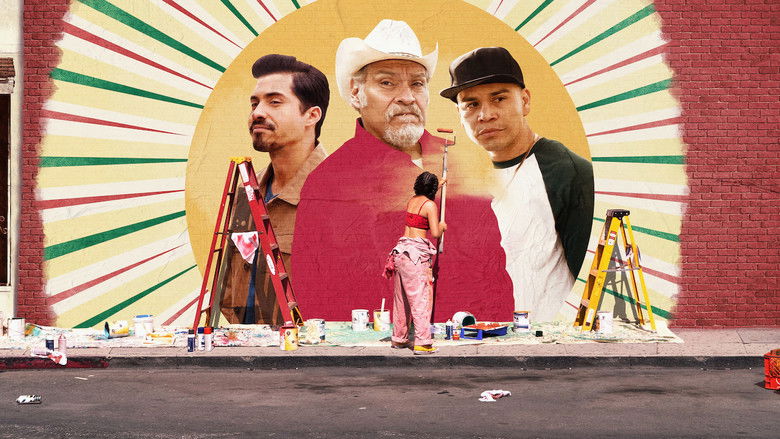
What makes Gentefied more than just another story about gentrification is its refusal to let the issue overshadow the people. The show’s creators, Marvin Lemus and Linda Yvette Chávez, have said they wanted to avoid what they called "Latino trauma porn," and they mostly succeed. This isn’t a series that wallows in suffering; it’s one that laughs through the cracks.
The humor is specific—Spanglish wordplay, the kind of inside jokes that only make sense if you’ve ever had to translate for your abuelo, the way Ana’s art-school pretensions clash with her family’s no-nonsense pragmatism. It’s the kind of comedy that feels earned, not forced.
That said, the show isn’t afraid to get messy. The first season’s bottle episodes—standalone stories that zoom in on side characters—are where Gentefied really shines. There’s one about a mariachi musician who’s been playing the same gig for decades, his dreams of stardom long faded but his pride intact.
Another follows Ana’s mother as she grapples with her daughter’s queerness, her struggle less about acceptance than about the fear of losing the person she thought she knew. These episodes feel like short films, intimate and self-contained, and they give the series a texture that most sitcoms lack.
The heart of the show, though, is Joaquín Cosío as Pop, the family patriarch. Cosío has that rare ability to make even the most stubborn old man feel like someone you’d want to have a beer with. Pop’s grief for his late wife is never far from the surface, but neither is his love for his grandkids—even when he’s yelling at them for putting quinoa on the menu.
There’s a scene in the first season where he sits Ana down and tells her, in his gruff way, that she doesn’t have to choose between her art and her family. "You think I don’t know what it’s like to want something more?" he says. "But you don’t leave your people behind."
It’s the kind of line that could feel heavy-handed in another show, but Cosío delivers it with such quiet conviction that it lands like a gut punch.
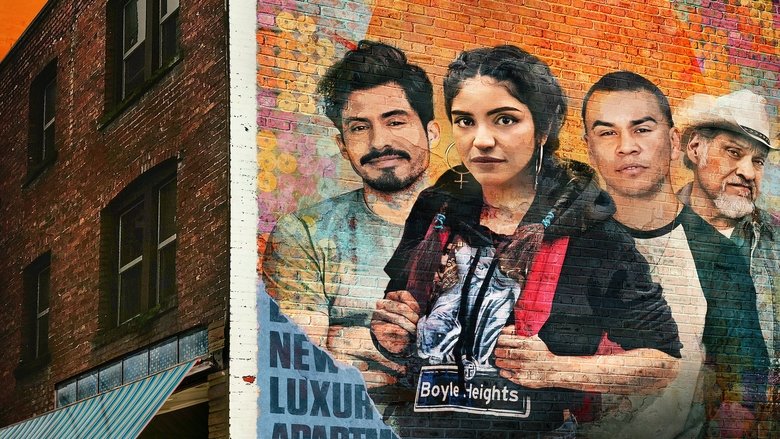
The show’s visual language reinforces its themes. The camera lingers on the details—the peeling paint on the shop’s walls, the way the light hits the sidewalk in the late afternoon, the graffiti tags that mark territory like a second language. It’s a world that feels lived-in, not staged.
And then there’s the sound design, which layers in the hum of the freeway, the distant wail of a police siren, the mariachi music drifting from a nearby taquería. It’s the kind of ambient noise that most shows would edit out, but here it’s essential. This is a show that understands that gentrification isn’t just about rising rents; it’s about the way a neighborhood’s soul gets drowned out by the sound of construction.
That said, Gentefied isn’t perfect. Some of the storylines feel a little too tidy, especially in the second season, where the show’s desire to wrap things up neatly occasionally clashes with its messier, more authentic impulses. And while the series does a good job of addressing issues like anti-Black racism within the Latinx community, it sometimes struggles to balance its social commentary with its character-driven storytelling.
There are moments where the dialogue feels more like a lecture than a conversation, and the show’s didacticism can be a bit much. (As The Hollywood Reporter put it, Gentefied is "as muddled as it sounds," though in the best possible way.)
But those flaws are easy to forgive because the show’s heart is in the right place. Gentefied isn’t just about saving a taco shop; it’s about what happens when the thing you love is also the thing that’s holding you back. Chris wants to modernize the menu, but what he’s really trying to do is escape the expectations of his family. Erik wants to be a good father, but he’s terrified of becoming his own dad.
Ana wants to be an artist, but she’s afraid of leaving her community behind. And Pop? He just wants to keep the shop open, even if it means clinging to the past.
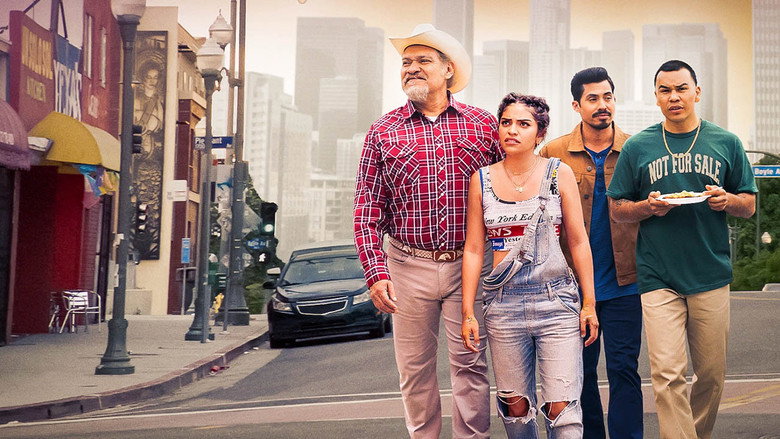
The show’s cancellation after two seasons feels like a missed opportunity, not just because it was good, but because it was necessary. In a landscape where Latinx stories are often reduced to stereotypes or trauma, Gentefied offered something different: a story about people who are flawed, funny, and fiercely loyal to each other. It’s a show that understands that family isn’t just about blood; it’s about the people who show up, even when you don’t want them to.
And in a world that’s constantly trying to tear communities apart, that’s a radical act.
I keep thinking about that scene where Pop tells Ana not to leave her people behind. It’s a line that could apply to the show itself. Gentefied never leaves its people behind—its characters, its neighborhood, its audience. It’s a show that invites you in, hands you a taco, and says, "Stay awhile."
And in a time when so much of our culture feels disposable, that’s something worth holding onto.
Netflix’s Gentefied (2020) arrived as more than just a dramedy about gentrification—it was a cultural moment for Latinx representation. The series, centered on three Mexican-American cousins navigating family, identity, and displacement in Los Angeles, stood out for its raw authenticity. But what went on behind the camera? latestnetflix.com's read is that Interviews with the cast reveal a project shaped by personal stakes, creative risks, and a shared mission to break stereotypes.
For J.J. Soria, Carlos Santos, and Joaquín Cosío, Gentefied wasn’t just another role—it was a chance to reflect their own experiences. Soria, who played the earnest chef Erik Morales, described the series as a "love letter to our community". In interviews, he and Santos (who played the ambitious artist Chris Morales) emphasized how the show’s themes of cultural erasure and economic pressure mirrored their own upbringings. Cosío, the veteran actor known for his role as the gruff but loving grandfather Casimiro, brought a layer of lived wisdom to the character, grounding the family’s struggles in reality.
The cast’s chemistry wasn’t just for the screen. Soria revealed that the ensemble bonded quickly, often sharing stories about their own families during downtime. That camaraderie translated into the show’s naturalistic performances, where even the most dramatic moments felt intimate and unforced.
Gentefied’s creators (Marvin Lemus and Linda Yvette Chávez) set out to depict Latinx life without the usual Hollywood tropes. The cast embraced this vision, pushing back against clichés. In a roundtable discussion, Julissa Calderon (who played the fiery activist Ana Morales) highlighted how rare it was to see a show where Latinx characters weren’t reduced to stereotypes. "We’re not just the help, the gangbangers, or the sassy best friend," she said. "We’re complex people with dreams, flaws, and families".
Soria echoed this sentiment, noting that the show’s humor and heart came from its refusal to soften the realities of gentrification. The series didn’t shy away from tough topics—like the tension between preserving culture and chasing success—but balanced them with warmth and humor, a tone the cast worked hard to perfect.
Fans were relieved when Gentefied got a second season, but the road there wasn’t guaranteed. Soria admitted he’d been "manifesting" a renewal, even joking in interviews that he’d "predicted" it. When Netflix confirmed Season 2, the cast celebrated the news publicly, with Soria calling it a win for Latinx storytelling.
Behind the scenes, the second season reportedly doubled down on the family’s struggles, with Erik’s culinary dreams and Chris’s artistic ambitions facing new challenges. While details about a potential Season 3 remain unconfirmed, the cast’s enthusiasm suggests they’re ready to keep fighting for the Morales family’s story.
More than just a Netflix series, Gentefied became a cultural touchstone for Latinx audiences hungry for representation. The cast’s commitment to authenticity—from their performances to their advocacy behind the scenes—helped make the show feel like a rare, honest portrayal of their community. As Soria put it, "This isn’t just a show. It’s our lives".
For now, fans can revisit the series on Netflix, where the Morales family’s journey continues to resonate.
Entertainment rumors and trivia aggregated from public reporting. Treat speculation as unverified unless a cited source confirms it.
More titles in the same genres and with the same cast.