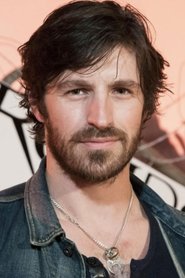

Ed Skrein
Vince
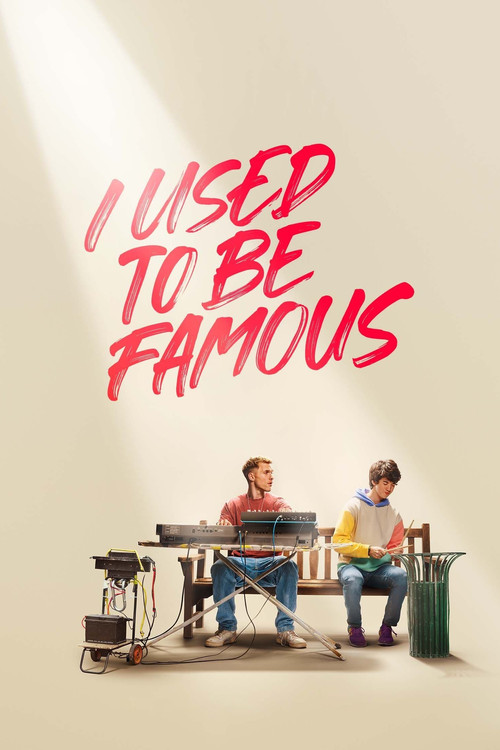
“This is your time.”
A former boy band star unexpectedly gets a second shot at success when he forms a bond with a gifted young drummer.
I’ll admit it: when I first saw the poster for I Used to Be Famous—Ed Skrein in a leather jacket, mid-croon, with that unmistakable “I peaked in 2008” energy—I braced myself for another cynical cash-in on nostalgia. A film about a washed-up boy bander clinging to relevance? It’s a premise that’s been done before, usually with all the subtlety of a stadium encore.
But here’s the thing: I Used to Be Famous isn’t really about fame at all. It’s about the quiet, desperate need to be seen, and how that need can collide with something far more interesting—someone else’s unshakable sense of self.

Vince (Skrein) is the kind of character who could easily slip into caricature—a former pop star reduced to busking in Peckham, his ego still inflated by the ghost of chart-topping glory. But Skrein plays him with a rawness that keeps him just this side of sympathetic. There’s a moment early on where Vince, mid-performance, locks eyes with a passerby who clearly recognizes him but walks away without a word.
The flicker of humiliation in Skrein’s expression is so brief you might miss it, but it’s there: the realization that recognition isn’t the same as relevance. That’s the film’s first gut punch, and it’s delivered without a single line of dialogue.
Then there’s Stevie (Leo Long), the autistic drummer Vince stumbles upon during one of his street performances. Their meeting isn’t some saccharine “odd couple” setup; it’s messy, awkward, and entirely believable. Stevie doesn’t exist to teach Vince a lesson about humility or authenticity.
"A heartfelt but uneven music drama with standout performances and emotional moments, hampered by predictable storytelling."
The emotional core and the leads' chemistry land strongly, and the music adds depth and authenticity. The familiar plot and pacing lapses underwhelm some, and a few side characters feel clichéd.
Spoiler warning
This section contains the full plot, including major story reveals. Overview above stays spoiler-free.
Netflix’s I Used to Be Famous (2022) is a British dramedy that blends music, fame, and neurodiversity, but behind the scenes, the film’s origins and casting choices have sparked nearly as much buzz as its on-screen chemistry. Directed by Eddie Sternberg, the movie follows Vince (Ed Skrein), a washed-up musician who stumbles into a creative partnership with Stevie (Leo Long), a young autistic drummer with a rare talent. While the film’s trailer promised a heartfelt underdog story, the real-life parallels and behind-the-scenes details add layers to its production.
The film’s premise isn’t just fiction—it’s rooted in Sternberg’s own experiences. According to interviews tied to the movie’s release, Sternberg co-wrote the script with real-life musician Leo Long in mind for the role of Stevie. Long, who is autistic, wasn’t just cast for authenticity; he was part of the creative process from the start. The collaboration reportedly began when Sternberg met Long through a mutual friend and was struck by his drumming skills and unique perspective. This personal connection lent the film an authenticity that critics and audiences have praised, with some reviews calling it a rare example of neurodiverse representation done right.
The soundtrack, too, reflects this real-world influence. Long’s drumming is featured prominently in the film’s original score, which includes tracks co-written by the cast and crew. The album, I Used to Be Famous: Soundtrack From the Netflix Film, has been noted for its raw, energetic sound—a departure from typical film scores and a nod to the movie’s indie roots.
While the film’s creative team was largely collaborative, not all casting decisions went smoothly. Early reports and trailers hinted at a slightly different lineup. For example, Rotten Tomatoes initially listed Tom Bacon and Naomi Ackie among the cast, but the final film featured Eleanor Matsuura, Eoin Macken, and others in key roles. The discrepancy sparked rumors of reshoots or recasting, though neither Netflix nor the filmmakers have confirmed the reasons behind the changes.
Ed Skrein, who plays the lead role of Vince, was already a known name in the industry, but his involvement in I Used to Be Famous marked a shift toward more character-driven projects. Sources suggest Skrein was drawn to the role because of its emotional depth and the opportunity to work with Long, whose real-life story resonated with him. The chemistry between the two leads became a selling point for the film, with early screenings highlighting their dynamic as the heart of the story.
Despite its compelling backstory, I Used to Be Famous flew under the radar for many Netflix subscribers. The film didn’t receive the same marketing push as some of the streamer’s bigger titles, and its release was overshadowed by other high-profile projects. However, those who did watch it praised its portrayal of autism, with many calling it a refreshing departure from stereotypical depictions in media.
Critics were similarly positive, with reviews noting the film’s balance of humor and heart. The French review site SensCritique gave it a 6.2/10, calling it a "charming and authentic" take on fame and friendship. Meanwhile, YouTube reviewers highlighted the film’s soundtrack and Long’s performance as standout elements, with some even calling it a hidden gem worth revisiting.
As of now, there’s no official word on a sequel or follow-up project, but the film’s reception has left fans hoping for more. Leo Long, in particular, has become a breakout star, with some viewers calling for more neurodiverse stories centered on his talents. Sternberg, too, has hinted at future collaborations, though nothing has been confirmed.
For now, I Used to Be Famous remains a sign of the power of real-life inspiration in filmmaking. Its behind-the-scenes story—from Sternberg’s personal connection to Long to the casting hiccups—adds a layer of intrigue to what might otherwise be a straightforward dramedy. Whether or not it becomes a cult favorite, its impact on representation in media is already undeniable.
Entertainment rumors and trivia aggregated from public reporting. Treat speculation as unverified unless a cited source confirms it.
More titles in the same genres and with the same cast.