Luís Figo
Self
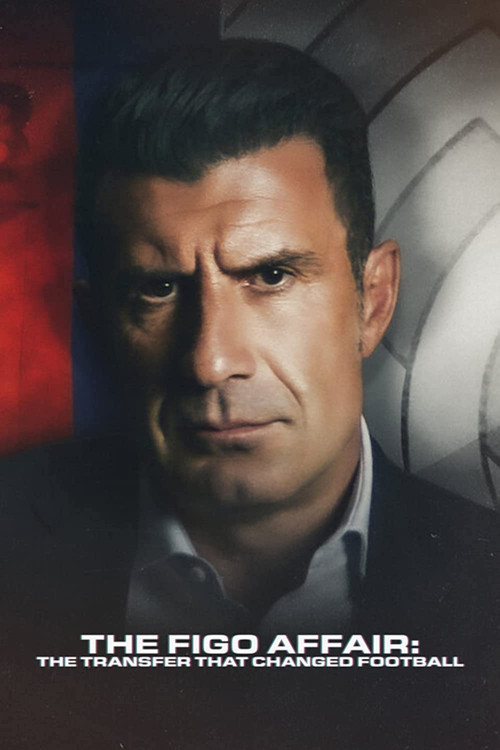
This documentary spotlights one of the most contentious deals in football history and the extraordinary player at the center of the storm: Luís Figo.
I’ve watched The Figo Affair: The Transfer That Changed Football three times now, and each time I’m struck by the same thing: this isn’t really a story about football. It’s about what happens when loyalty becomes a commodity, when a club’s soul is auctioned off in a boardroom, and when a player’s face becomes the target for an entire city’s rage. The documentary doesn’t just recount Luís Figo’s move from Barcelona to Real Madrid in 2000—it dissects the moment when football stopped being a game and became a war.
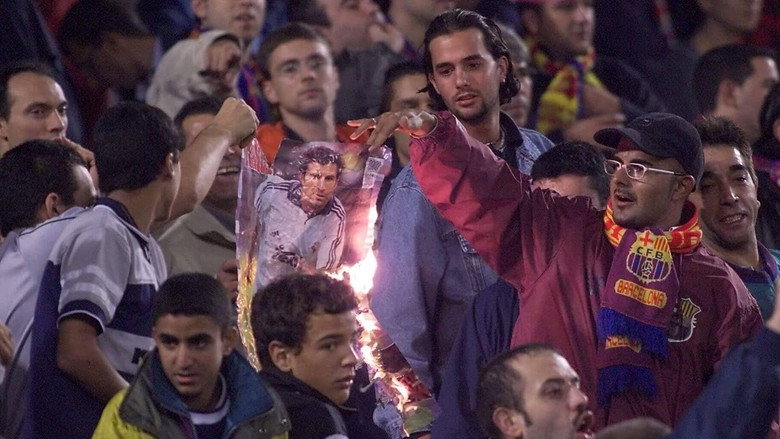
The directors, Ben Nicholas and David Tryhorn, frame the transfer as a heist movie, and it’s an apt comparison. There’s a mastermind (Florentino Pérez, running for Real Madrid president on the promise of signing Figo), a reluctant accomplice (Figo himself, bound by a pre-contract he claims he never fully understood), and a vault full of secrets (the legal loopholes, the backroom deals, the sheer audacity of it all).
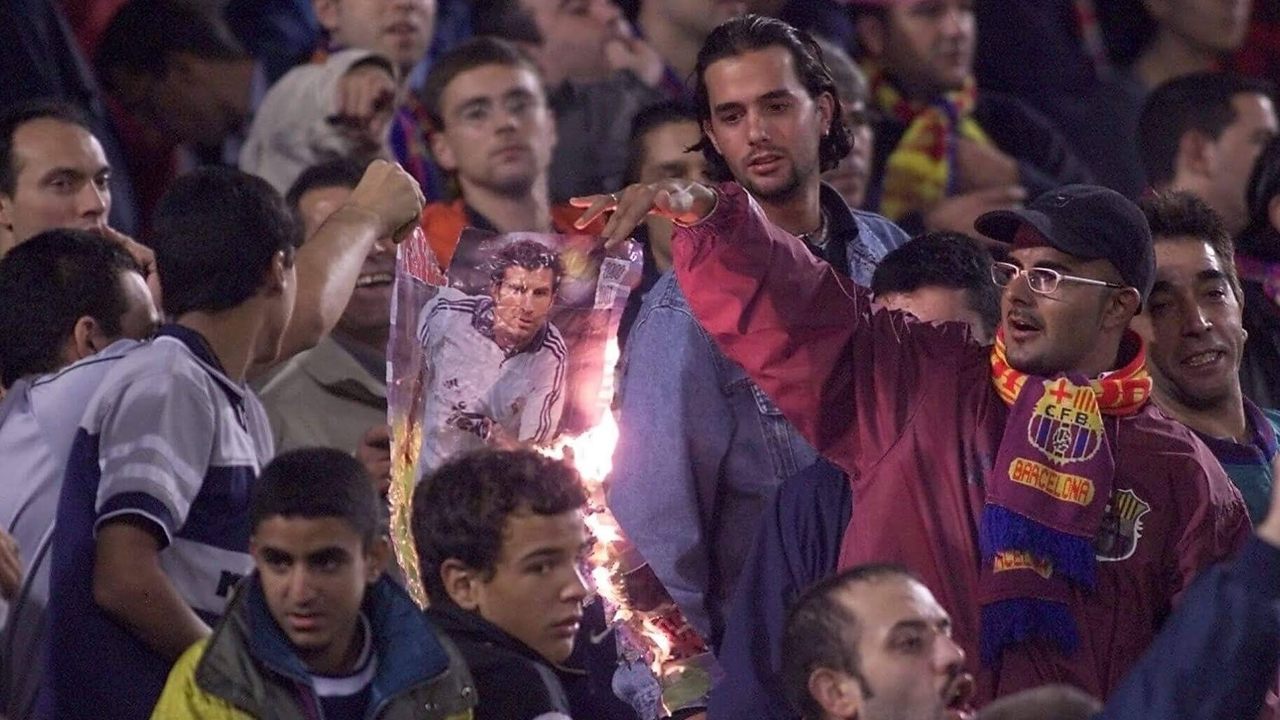
But the real tension isn’t in whether the heist will succeed—it’s in what happens after. Because when Figo steps onto the pitch at Camp Nou in a Real Madrid shirt for the first time, the film shifts from caper to horror. The crowd’s fury isn’t just noise; it’s a physical force, a wall of sound and spit and projectiles.
And at the center of it all is Figo, running for his life.
That moment—Figo’s first return to Barcelona as a Madrid player—is the documentary’s emotional core. The film lingers on it, not just through archival footage (which is harrowing enough) but through the testimonies of those who were there. Roberto Carlos, his Madrid teammate, describes the pitch as a "battlefield."
Joan Gaspart, then-vice president of Barcelona, calls it "a day of shame." And Figo? He doesn’t say much.
His silence speaks volumes. There’s a shot of him in the tunnel before the match, his face a mask of dread, and you realize: this isn’t just about betrayal. It’s about the cost of being the man who had to walk through that tunnel.
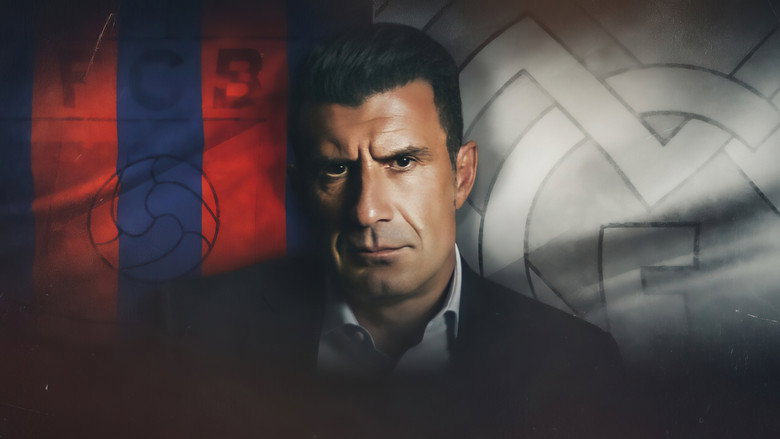
What makes The Figo Affair more than just a sports documentary is its refusal to simplify. The film doesn’t let Figo off the hook—he’s clearly conflicted, even defensive, about his decision—but it also doesn’t let Barcelona’s fans off the hook either. The pig’s head thrown onto the pitch during that infamous match isn’t just a grotesque detail; it’s a symbol of how quickly admiration can curdle into hatred.
The documentary doesn’t shy away from the ugliness of that moment, but it also doesn’t sensationalize it. Instead, it asks: What does it say about a club, a city, a culture, that this is how they react to betrayal?
The film’s greatest strength is its access. Figo, Pérez, Gaspart, Jorge Valdano—they all sit for interviews, and the result is a Rashomon-like portrait of the transfer. Pérez is smug, almost gleeful, as he recounts outmaneuvering Barcelona.
Gaspart is still seething, two decades later. And Figo? He’s the most fascinating of all.
He insists he had no choice, that the pre-contract he signed with Pérez’s camp left him no escape. But there’s a flicker of something else in his eyes—regret? Defiance?
It’s hard to tell. Maybe he doesn’t even know.
The documentary’s pacing isn’t perfect. There are moments when it feels like it’s treading water, especially in the middle act, where the legal and political maneuvering threatens to bog down the narrative. And while the archival footage is rich, there’s a sense that the film could have dug even deeper into the most explosive moments—the pig’s head incident, the riots, the sheer chaos of that first return match.
But these are minor quibbles. What lingers is the film’s emotional honesty. It doesn’t just tell you what happened; it makes you feel the weight of it.
I keep coming back to a line from Pep Guardiola, who was a Barcelona player at the time. He says, "Figo was one of us. And then he wasn’t."
That’s the heart of the story. Football is tribal, and when one of your own crosses the line, it’s not just a transfer—it’s a wound. The Figo Affair doesn’t just document that wound; it lets you feel the sting of it. And in an era where transfers are routine, where players switch clubs like they’re changing shirts, that sting feels more relevant than ever.
This wasn’t just a transfer. It was a betrayal. And betrayals, as the film reminds us, leave scars.
"A gripping look at the Figo transfer with strong access and archival footage, held back slightly by plain direction and occasionally sluggish pacing."
The documentary lays out the shocking Barcelona-to-Real Madrid transfer in clear detail, using rich archival material and interviews with the key figures to show how a backroom deal turned into open betrayal and a cultural earthquake. It lets each side tell its story and exposes how agents, presidents, and Figo himself handled the saga, leaving space to judge who is still lying decades later. Criticism centers on a straightforward, somewhat bland visual style, stretches that feel slow, and a sense that the film could have pushed even harder into the most infamous and chaotic moments around the pig’s-head incident.
Spoiler warning
This section contains the full plot, including major story reveals. Overview above stays spoiler-free.
Netflix promised us betrayal, pig heads and presidential power plays – and The Figo Affair: The Transfer That Changed Football absolutely delivered. But what about the off‑camera mess? latestnetflix.com's take is that Did the directors feud, did Figo storm off set, did Florentino Pérez demand final cut from a throne made of season tickets?
We dove into fan forums, social feeds and football gossip land. The verdict: the juiciest scandals are still the ones in the story, not in the making of it. But there’s plenty of tea in how fans and insiders have reacted to the doc.
If you want drama, you don’t look at the call sheet – you look at Reddit:
No on‑set screaming matches here – but a few telling behind‑the‑scenes nuggets:
No one’s been sued over the doc. No one has leaked a secret director’s cut where Figo cries into a Barça scarf. But fans have happily filled the vacuum with speculation:
After digging through social feeds, forums and coverage, the most shocking twist is that there’s basically no reported off‑camera scandal tied to The Figo Affair itself:
Instead, the documentary’s “gossip value” comes from putting microphones in front of the people who lived the scandal and letting them contradict each other for 105 minutes. The production stayed quiet so the history could scream.
For fans of the film, that’s the real thrill: The Figo Affair didn’t have to invent drama. It just pressed “record” on the greatest football soap opera of the last 25 years and let everyone involved incriminate themselves all over again.
Entertainment rumors and trivia aggregated from public reporting. Treat speculation as unverified unless a cited source confirms it.
More titles in the same genres and with the same cast.